Google’s New Family Link Updates: Helping Kids Stay Focused

Google has made it easier for parents to manage their kids’ screen time and keep them safe online with new Family Link updates.

Kids love their phones and tablets. But too much screen time can be distracting. That’s where Google Family Link helps!

This app lets parents set screen time limits, block distractions, and make sure their kids use devices safely. With new updates, Family Link is now even simpler and more useful.

What’s New in Family Link?

1. Easier to Use with a New Design

Google has made Family Link more user-friendly with a new design.

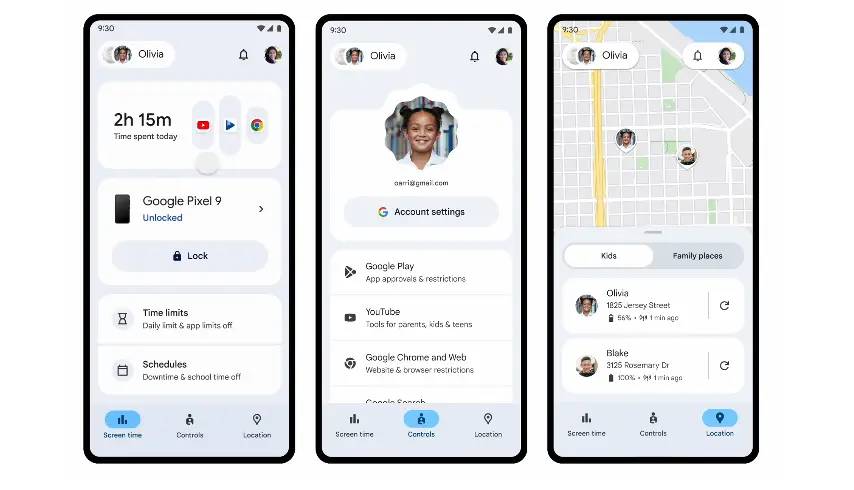
  • New Screen Time Tab: Parents can now see all screen time settings in one place—daily usage, app limits, and downtime settings.
  • Quick Summaries: Parents can easily check how much time their child spends on each device and what apps they use.

2. School Time Now Works on More Devices

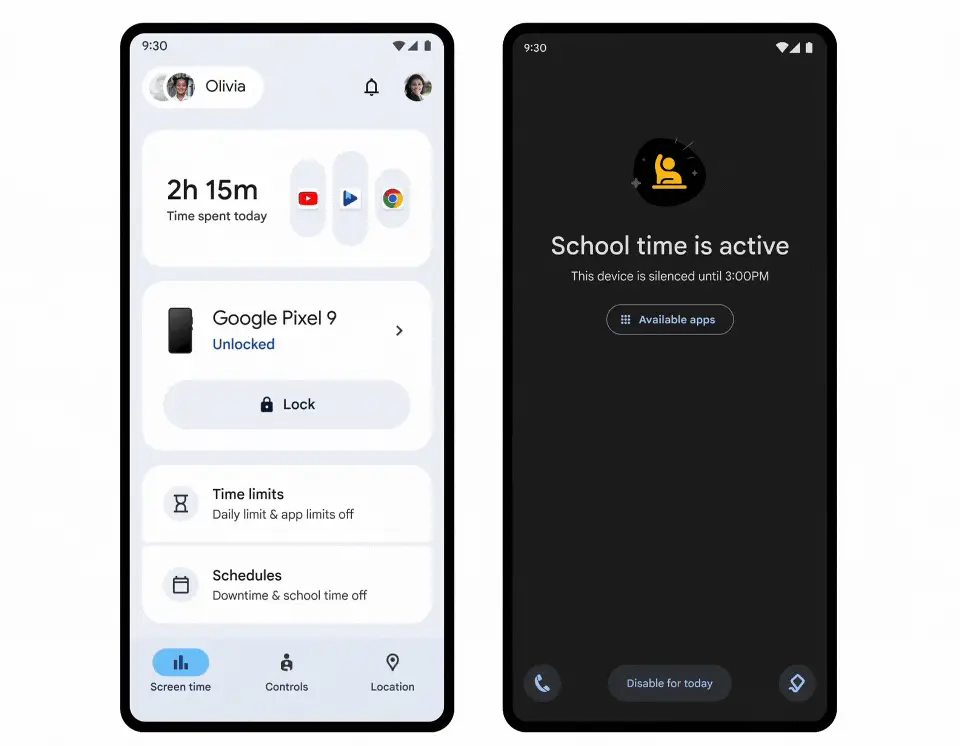
School Time helps parents block distracting apps and silence notifications during school hours. Before, it was only on Samsung Galaxy Watch for Kids, but now it works on Android phones and tablets too!

  • Parents can block apps like YouTube and games during school hours.
  • They can allow learning apps for schoolwork.
  • Pause Feature: If there’s a school holiday, parents can easily turn off School Time.

3. Parents Can Control Who Their Kids Contact

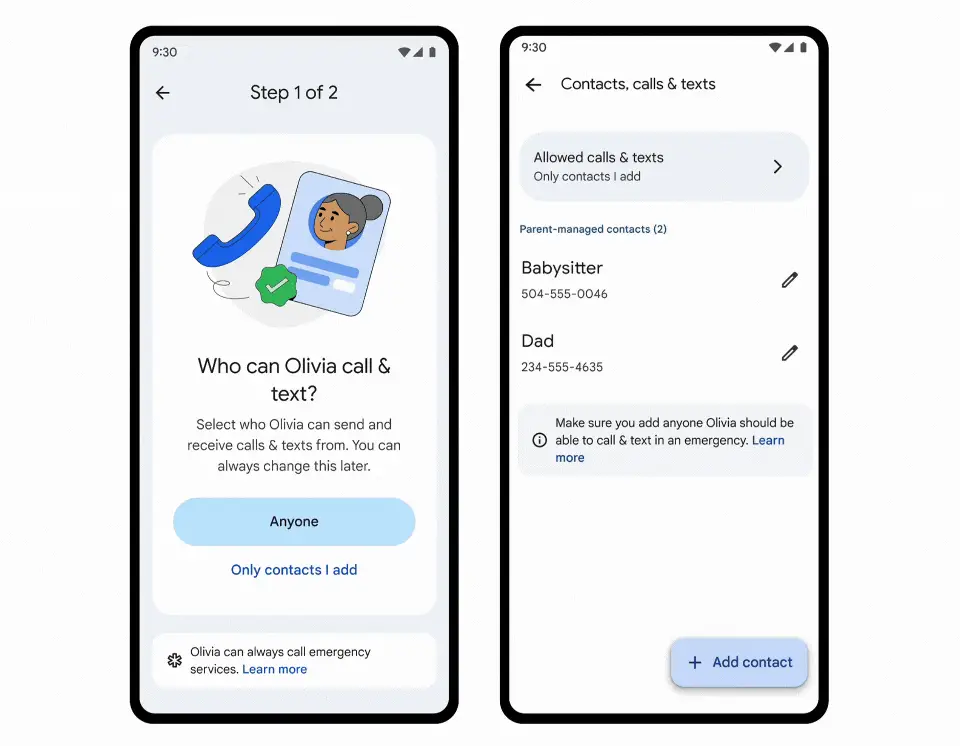
Worried about strangers calling or texting your child? Google’s new Approved Contacts feature helps parents manage who their kids talk to.

  • Parents can add trusted contacts like family and close friends.
  • Kids can request to add new contacts, but parents must approve them first.
  • Before, this was only on Samsung Galaxy Watch for Kids, but now it’s on all Android phones.

What is Google Family Link?

If you don’t know about Family Link, here’s a quick explanation. Google launched Family Link in 2019 to help parents control their child’s phone use. It does more than just limit screen time. It also helps parents:

  • Block inappropriate apps on Google Play Store.
  • See their child’s location using Google Maps.
  • Set rules for phone use and manage screen time easily.

A 2023 Google study found that parents worry about fake news and misleading ads targeting kids. With these updates, Google Family Link helps parents protect their children online.

Conclusion

Google’s Family Link updates are great for parents who want to help their kids stay focused and safe online.

With a better design, improved school-time settings, and contact control features, Family Link is an important tool for parents today.

So, if you’re a parent who wants to keep your child safe online and reduce distractions, these updates are worth checking out!

Also Read: Instagram’s Dislike Button for Comments Enters Testing: How It Works

Instagram’s Dislike Button for Comments Enters Testing: How It Works

Instagram is testing a new dislike button for comments, a feature designed to help users downvote inappropriate or irrelevant remarks. This move is aimed at curbing toxic discussions, improving comment moderation, and fostering a more positive online environment. While the dislike button is still in the testing phase, its potential implications for user engagement and content moderation are significant.

In this article, we will explore how the Instagram dislike button works, its expected impact, and what this means for the platform’s future.

What is Instagram’s Dislike Button for Comments?

Instagram has officially confirmed that it is experimenting with a dislike (downvote) button that allows users to privately downvote comments they find offensive, spammy, or irrelevant. Unlike platforms where dislikes are public (such as YouTube’s dislike count for videos), Instagram’s dislike feature is private and only visible to the platform’s moderation system.

Key Features of the Dislike Button

  • Private Dislikes: Users can downvote comments, but the number of dislikes will not be visible to the public.
  • Better Moderation: Instagram will use dislike data to identify and filter out harmful or low-quality comments.
  • Not for Content Suppression: The feature aims to improve discussions, not to create negativity or suppress differing opinions.

According to Instagram Head Adam Mosseri, the dislike button is currently being tested on a limited scale and may undergo changes based on user feedback.

How Will Instagram’s Dislike Button Work?

Instagram is integrating this new feature within the comments section to give users more control over what they see.

Here’s how it works:

  1. Users will see a downward-facing thumbs icon next to the like button on comments.
  2. Tapping the dislike button will register a private downvote.
  3. The commenter will not be notified, and the number of dislikes will not be publicly visible.
  4. Instagram’s algorithm will use downvote data to identify comments that may violate community guidelines or user preferences.
  5. Comments with significant dislikes could be deprioritized or hidden from public view.

This feature is being tested across select regions, with further rollout planned based on its effectiveness.

Why Instagram is Introducing a Dislike Button

The introduction of the dislike button is part of Instagram’s broader initiative to create a safer, more inclusive social media environment. Here are the key reasons behind this decision:

1. Reducing Toxicity and Hate Speech

  • Social media platforms have long struggled with toxic comments and online harassment.
  • The dislike button can help signal negative behavior to Instagram’s moderation system, making it easier to filter out harmful content.

2. Fighting Spam and Irrelevant Comments

  • Spammy and bot-generated comments clutter posts, reducing meaningful interactions.
  • With the dislike button, users can report such comments quickly, helping Instagram refine its spam detection algorithms.

3. Enhancing User Experience

  • By prioritizing meaningful and constructive discussions, Instagram aims to improve the quality of conversations on the platform.
  • Users will have more control over their social interactions without engaging in direct conflict.

How Instagram’s Dislike Button Differs from Other Platforms

Many platforms have experimented with dislike buttons, but Instagram’s approach is unique.

PlatformDislike FeatureVisibility
YouTubeDislikes on videosPublicly visible (but count hidden from viewers)
Twitter/XDownvote on repliesPrivate, used for ranking comments
RedditUpvote/Downvote on posts/commentsPublic, affects visibility of content
InstagramDownvote on commentsPrivate, influences moderation and ranking

Instagram’s decision to keep dislikes private aligns with its strategy to reduce negativity while still allowing users to filter low-quality content.

Potential Concerns and Criticism

While the dislike button is expected to improve comment moderation, some users and experts have raised concerns:

1. Potential for Misuse

  • Some users may abuse the feature by downvoting comments they simply disagree with, rather than those that are actually harmful or spammy.

2. Algorithmic Bias

  • The reliance on downvotes for moderation could result in unintended biases, where certain viewpoints are suppressed unfairly.

3. Impact on Free Speech

  • While the feature is designed to remove toxic comments, some fear it may discourage open discussions and diverse opinions.

Instagram has acknowledged these concerns and will monitor the feature’s impact before a full-scale rollout.

What This Means for Users

The introduction of a dislike button could lead to more constructive conversations on Instagram, but users should be aware of how it works:

  • For Creators & Influencers: This feature can help remove harmful comments, making their comment sections more positive.
  • For General Users: The ability to dislike comments gives them more control over their interactions, but it should be used responsibly.
  • For Instagram Itself: The platform can use dislike data to improve content moderation and refine its community guidelines enforcement.

Conclusion: A Step Toward a Safer Instagram?

Instagram’s new dislike button for comments represents an important shift in how the platform moderates interactions. By allowing private downvotes, Instagram aims to improve conversations, reduce spam, and minimize toxic behavior.

However, the true impact of this feature will only be seen after broader implementation. If successful, it could set a new standard for social media moderation.

Would you use Instagram’s dislike button? Let us know your thoughts!

Also Read: Unlocking Digital Success: The Importance of SMM Panels in India’s Thriving Marketing Landscape


FAQs

1. Will Instagram make the dislike button public?

No, Instagram has confirmed that the dislike count will remain private and only be used for moderation purposes.

2. Who can see the number of dislikes on a comment?

Only Instagram’s moderation system will have access to dislike counts, ensuring that this feature is not used for public shaming.

3. Can a user undo a dislike?

Yes, users will likely be able to remove their downvote if they change their mind.

4. Will this feature be available to all users?

Instagram is currently testing the dislike button in select regions. A global rollout will depend on the results of this trial phase.

5. How will Instagram use the dislike data?

Instagram will analyze dislike trends to detect spam, hate speech, and low-quality comments. However, dislikes alone will not automatically remove comments.

Unlocking Digital Success: The Importance of SMM Panels in India’s Thriving Marketing Landscape

India’s vibrant and rapidly growing digital ecosystem presents unparalleled opportunities for businesses, influencers, and content creators. However, with millions of social media users and an ever-increasing flow of content, standing out in this crowded landscape has become a challenge. Enter SMM (Social Media Marketing) panels—a game-changing tool that is reshaping digital marketing strategies in India. Offering affordability, rapid results, and enhanced engagement, SMM panels have emerged as indispensable tools for scaling social media success.

What Are SMM Panels?

An SMM (Social Media Marketing) panel is an online platform that provides social media services such as buying followers, likes, comments, video views, and other engagement metrics. Designed for platforms like Instagram, Facebook, YouTube, TikTok, and more, these panels help boost online presence and visibility.

Key Features of SMM Panels

  • Quick Engagement: Instantly increase metrics such as followers, likes, and shares.
  • Cost-Effective: Budget-friendly solutions suitable for small businesses and startups.
  • Targeted Growth: Tailor engagement to specific demographics, regions, or interests.
  • Scalability: From individuals to large corporations, SMM panels accommodate varying needs.
  • Versatility: Compatible with a wide range of platforms, ensuring maximum reach and engagement.
  • Automation and Efficiency: Automated tools streamline processes, saving time and reducing manual efforts.

Why Are SMM Panels Crucial for India?

With over 500 million active internet users and platforms like Instagram boasting 300 million active users in India, the digital space is fiercely competitive. SMM panels address these challenges, offering strategic solutions to amplify reach and visibility.

1. Boosting Online Visibility

In a market where millions of posts are uploaded daily, gaining visibility is daunting. SMM panels provide a shortcut by increasing followers, likes, and views. Enhanced metrics create a sense of social proof, encouraging organic engagement and making profiles more appealing to new audiences. This boosts the chances of viral success and sustained reach, helping brands and individuals establish a lasting online presence.

2. Cost-Effective Marketing

Traditional advertising can be expensive, particularly for startups and SMEs. SMM panels offer affordable packages that deliver significant results, making them an ideal solution for businesses operating on tight budgets. Unlike conventional ads, they allow companies to allocate their resources efficiently without compromising on quality or outcomes. By reducing marketing costs, businesses can reinvest savings into other areas, such as product development or customer support.

3. Faster Results

Unlike organic growth strategies that require months of consistent effort, SMM panels deliver immediate results. Whether it’s boosting Instagram followers or increasing YouTube views, users can see improvements in hours, enabling businesses to achieve goals within critical timelines. This immediacy is especially beneficial for product launches, promotions, and time-sensitive campaigns, where quick visibility can significantly impact success.

4. Enhancing Credibility and Social Proof

A strong social media presence builds trust. SMM panels enhance credibility by increasing visible metrics, such as followers and likes, attracting more organic audiences and establishing authority in the market. This perceived popularity can be a game-changer for new brands trying to establish themselves and for influencers aiming to attract lucrative partnerships. In competitive markets, strong social proof can make the difference between winning and losing customers.

5. Targeted Marketing

SMM panels allow for precise targeting—users can select specific demographics, regions, or interests. This feature is invaluable in a country as diverse as India, enabling businesses to tailor campaigns effectively, whether focusing on urban areas like Mumbai or rural regions with increasing digital penetration. Targeted marketing ensures every investment maximizes impact, making campaigns more effective and meaningful.

6. Comprehensive Services

SMM panels offer more than just follower growth. Additional services, such as video views, comments, and shares, create a dynamic and engaging social media presence, increasing the likelihood of viral content. These offerings help businesses maximize their reach, foster better audience interaction, and create a cohesive brand image. Advanced panels even provide analytics to track campaign performance and optimize future efforts.

7. Competitive Edge

In India’s crowded digital landscape, standing out is critical. SMM panels provide a competitive advantage by rapidly boosting visibility and engagement metrics, helping businesses and influencers capture attention and build a lasting impression. By ensuring better algorithmic performance, they enable brands to maintain prominence and relevance in a sea of competitors.

How Indian Businesses and Influencers Benefit

The advantages of SMM panels extend beyond individual metrics, offering comprehensive solutions for sustained growth:

Affordable Marketing for SMEs

Small and medium-sized enterprises (SMEs) often struggle with limited marketing budgets. SMM panels provide an affordable way to level the playing field, allowing smaller players to compete with larger brands without overextending their financial resources. This accessibility fosters entrepreneurship and innovation, empowering local businesses to thrive.

Enhanced Engagement

Increased likes, shares, and comments improve engagement, boosting algorithmic visibility on platforms. Greater interaction leads to higher chances of organic growth, allowing businesses to maintain momentum. By attracting authentic engagement, brands can build a loyal community and establish lasting relationships with their audience.

Quick Campaign Execution

Time-sensitive campaigns, such as product launches or event promotions, benefit from the rapid results of SMM panels. Quick engagement ensures maximum impact within tight deadlines, ensuring businesses meet their objectives efficiently. This agility makes SMM panels indispensable in fast-paced industries such as e-commerce, entertainment, and fashion.

Time-Saving Automation

Automated services free up valuable time for businesses and influencers, allowing them to focus on content creation and strategy while the panel handles profile boosting. This efficiency enhances overall productivity and lets teams concentrate on innovation and storytelling—elements critical for long-term success.

SMM Panels: The Rising Trend in India

As India’s social media landscape evolves, SMM panels are becoming an integral part of digital marketing strategies. From e-commerce brands to influencers, these tools enable users to scale their online presence without significant investments.

The Future of SMM Panels in India

  • Increased Adoption: More businesses are turning to SMM panels to optimize their campaigns and adapt to competitive demands.
  • Integration with AI: Future panels may leverage AI for even more precise targeting, analytics, and audience insights, taking personalization to new heights.
  • Support for Emerging Platforms: With platforms like Threads, Mastodon, and regional networks gaining traction, SMM panels are expected to expand their offerings to cater to diverse needs.
  • Regulatory Adaptation: As digital marketing grows, SMM panels will likely align with ethical advertising practices and compliance standards to build trust and sustainability.
  • Focus on Authenticity: Advanced SMM panels will prioritize delivering real and active engagement to foster genuine connections with audiences.

Conclusion: Embracing the Power of SMM Panels

In India’s competitive social media landscape, SMM panels have proven to be a game-changer. By offering cost-effective, efficient, and impactful solutions, these platforms empower businesses, influencers, and content creators to achieve their goals. As digital marketing continues to grow, embracing SMM panels is no longer optional—it’s essential for success.

For businesses and individuals looking to amplify their social media presence and build a sustainable digital footprint, investing in a reliable SMM panel offers a strategic, measurable, and highly effective way forward. By combining these tools with a strong content strategy, brands can unlock unprecedented levels of engagement, visibility, and trust in their target markets.


FAQs

1. What makes SMM panels cost-effective? SMM panels offer scalable packages tailored to different budgets, allowing businesses to achieve significant results without hefty investments.

2. Are SMM panels suitable for small businesses? Yes, SMM panels are ideal for small businesses looking to compete with larger players while operating on limited budgets.

3. Can SMM panels help with targeted campaigns? Absolutely. SMM panels enable users to target specific demographics, interests, and regions, ensuring campaigns reach the right audience.

4. Do SMM panels support all social media platforms? Most SMM panels support major platforms like Instagram, Facebook, YouTube, TikTok, and Twitter, with some expanding to emerging networks.

5. Are results from SMM panels sustainable? While SMM panels provide immediate boosts, combining them with consistent content creation and engagement ensures long-term growth and sustainability.

6. How do SMM panels compare to traditional advertising? SMM panels are significantly more affordable and faster, making them ideal for businesses that need immediate results or operate on limited budgets.

7. What industries benefit the most from SMM panels? Industries such as e-commerce, entertainment, travel, education, and health have seen significant success by leveraging SMM panels for digital outreach and engagement.

8. How can businesses ensure authentic engagement through SMM panels? To ensure authentic engagement, choose reputable SMM panel providers that prioritize quality metrics, real interactions, and adherence to ethical practices.


Facebook’s Big Change: A New Name Coming Soon?

According to media reports, Facebook is planning to change its name as part of a big rebranding. This is because the company wants to focus on building a metaverse, which is a virtual world where people can connect online.

Mark Zuckerberg, Facebook’s founder and CEO, is expected to announce the new name at the Connect conference on October 28. However, it might happen even earlier.

Why Is Facebook Changing Its Name?

Facebook is not just a social media company anymore. It is working on new technology to create a digital world where people can meet and interact using virtual and augmented reality. The name change will help Facebook show its new focus on the metaverse rather than just social networking.

This move is similar to when Google changed its company name to Alphabet to manage different businesses under one parent company.

What Will Happen to Facebook, Instagram, and WhatsApp?

The new name will likely act as the parent company for Facebook, Instagram, WhatsApp, and Oculus. This means that all these apps will still exist, but they will be part of a bigger company focused on the metaverse.

Some experts believe this change will also help shift attention away from recent controversies and allow Facebook to focus on future innovations.

What Is the Metaverse?

The metaverse is a virtual world where people can work, meet, and socialize using digital avatars. Think of it like an advanced version of the internet that uses virtual reality (VR) and augmented reality (AR) to make online experiences more immersive.

Facebook is already working on this by developing Oculus VR headsets and new AR features.

What’s Next?

If Facebook goes ahead with this name change, it will be a big shift in the tech industry. It shows the company is serious about building the future of digital interactions beyond just social media.

Facebook is Changing How Live Videos Are Stored



Facebook just announced a big update about live videos. Starting February 19, all new live broadcasts will only stay on the platform for 30 days. After that, they will be automatically deleted.

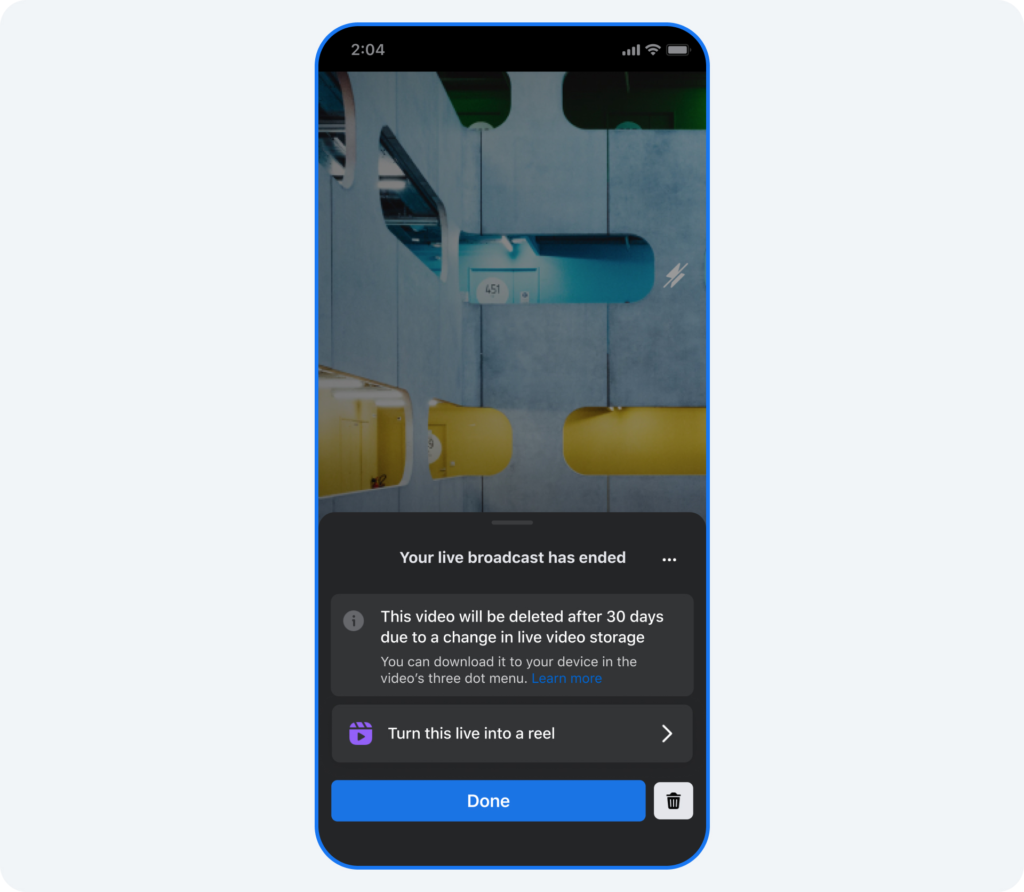
Before this update, live videos used to stay on Facebook forever. But now, if you want to keep your live videos, you need to download them, transfer them, or convert them into Reels before they disappear. 

For more details, visit Facebook’s official update: Facebook Update

Why Is Facebook Making This Change?

Facebook says that most live video views happen within the first few weeks. Keeping old live videos takes up a lot of storage, and most people don’t watch them after a month. To save space and improve user experience, Facebook is updating its policies.

What Happens to Old Live Videos?

  • Any live videos older than 30 days will be deleted.
  • Facebook will send a notification via email and the app before deletion.
  • Users will get 90 days to download or transfer old live videos before they are permanently removed.
  • The deletion process will happen gradually over the coming months.

How to Save Your Live Videos Before They Get Deleted

If you want to keep your live videos, here’s what you need to do:

1. Download Your Videos

  • Single Video Download:
    • Go to your Videos tab (on your profile or page).
    • Click on the Live tab (you may need to click ‘More’ to see it).
    • Choose the video you want to download.
    • Open the video, click on the three dots ([…]), and select “Download video”.
  • Bulk Download:


    • Tap on the notification about live video deletion.
    • Select “Download live videos”.
    • Choose where you want to save the files (your computer or device).
    • Pick a date range and click “Create File”.

2. Transfer Videos to Cloud Storage

  • Open the notification about live video deletion.
  • Click “Transfer live videos”.
  • Select where you want to save them (Google Drive, Dropbox, etc.).
  • Click “Save”.

3. Convert Videos Into Reels

  • If you don’t want to lose your videos, you can convert them into Reels.
  • You can clip shorter moments from your live video (up to 90 seconds) and post them as Reels.
  • This way, your best moments stay on Facebook even after 30 days.

Need More Time? Extend the Deadline

If you don’t have time to download your videos right now, Facebook allows you to postpone the deletion for six months.

  • Open the notification.
  • Click “Learn More”.
  • Select “Postpone the deletion”.
  • Confirm by clicking “Postpone”.

Why This Matters for Creators

If you use Facebook Live for business, marketing, or personal content, this change is important. You now have to actively save your videos before they disappear. This also means Reels will become more important, as Facebook is pushing users to share short-form content.

Conclusion

Facebook’s live video storage update starts on February 19, so be sure to download or transfer your old videos before they get deleted. If you want more time, use the postpone option.

By planning ahead, you won’t lose your content—and you might even find new ways to repurpose your live videos as Reels!

What do you think about this update? Let us know in the comments!

Conquer Content Marketing in 2025: Proven Strategies for Success

Content marketing remains one of the most powerful tools for businesses to attract, engage, and retain their target audiences. However, as the digital landscape evolves, strategies that worked in the past may no longer be effective in 2025. This guide provides a roadmap for businesses to refine their content marketing approaches, emphasizing quality, variety, promotion, and data-driven insights to achieve long-term success.

1. Prioritize High-Quality Content

In 2025, high-quality content will be the cornerstone of successful marketing. Audiences demand valuable, engaging, and relevant information that directly addresses their needs. Quality content enhances user engagement, builds trust, and improves search engine rankings.

Best Practices for High-Quality Content

  • Informative and Insightful: Address specific pain points and provide actionable solutions.
  • Engaging Storytelling: Use compelling narratives to connect emotionally with your audience.
  • Visual Appeal: Incorporate images, videos, and charts to enhance readability and engagement.
  • SEO Optimization: Conduct keyword research to integrate relevant terms naturally and boost visibility.

Advanced Strategies

  • Leverage thought leadership content to establish authority in your niche.
  • Repurpose existing content to maintain relevance and maximize its reach.

2. Diversify Content Formats

To reach a wider audience, businesses must embrace a variety of content formats that cater to different preferences. In 2025, consumers increasingly favor videos, podcasts, and interactive content. For example, research indicates that video content generates 49% faster engagement rates than static formats.

Key Formats to Consider

  • Videos: Tutorials, explainer videos, and live streams.
  • Podcasts: In-depth discussions, interviews, and storytelling.
  • Infographics: Visually simplify complex data.
  • Interactive Content: Quizzes, polls, and augmented reality (AR) experiences.
  • Social Media Posts: Tailored content for platforms like Instagram, TikTok, and LinkedIn.

Pro Tip

Experiment with emerging formats like virtual reality (VR) to create immersive shopping or learning experiences.

3. Master Content Promotion

Creating exceptional content is only half the equation. To maximize reach, businesses need robust promotion strategies that place content in front of the right audience.

Effective Promotion Channels

  • Social Media: Leverage platform-specific strategies to engage followers.
  • Email Marketing: Personalize email campaigns to share content with subscribers.
  • Collaborations: Partner with influencers or complementary brands to amplify your reach.
  • Paid Advertising: Invest in PPC campaigns, retargeting ads, sponsored posts, and influencer marketing to amplify your reach.

Advanced Promotion Tips

  • Use AI-driven tools to optimize posting schedules and target specific demographics.
  • Incorporate trending hashtags and keywords to improve content discoverability.

4. Measure and Analyze Performance

Tracking the performance of your content is critical for refining your strategy. Data-driven insights allow businesses to identify what resonates with their audience and optimize future campaigns.

Tools and Metrics

  • Google Analytics: Measure traffic, bounce rates, and conversions.
  • Social Media Insights: Analyze engagement metrics like likes, shares, and comments.
  • Content Marketing Platforms: Tools like SEMrush, HubSpot, Google Trends, and social listening tools help monitor ROI and campaign effectiveness.

Key Metrics to Monitor

  • Engagement rates
  • Conversion rates
  • Average time spent on content
  • Customer acquisition and retention

5. Stay Updated on Emerging Trends

In the rapidly changing digital landscape, staying informed about new trends is essential for maintaining a competitive edge.

Trends to Watch in 2025

  • AI-Powered Content Creation: Automate repetitive tasks while maintaining creative oversight.
  • Voice Search Optimization: Tailor content to conversational queries and smart devices.
  • Sustainability Messaging: Align with eco-friendly and ethical values to appeal to socially conscious consumers.
  • Immersive Content: Use AR and VR to create interactive and memorable user experiences.
  • Web3 and Metaverse: Explore the integration of blockchain technologies and virtual spaces to enhance audience engagement.

6. Leverage Content Marketing Platforms

Streamlining content creation, distribution, and analysis is easier with the right tools. Content marketing platforms are indispensable for scaling efforts and improving efficiency.

Recommended Platforms

  • HubSpot: For marketing automation and analytics.
  • Canva: Design visually stunning graphics and infographics.
  • BuzzSumo: Discover trending topics and popular content.
  • Sprout Social: Manage and analyze social media campaigns effectively.
  • Adobe Experience Manager (AEM): Ideal for managing large-scale content operations.
  • Contentful: A flexible platform for creating and managing content across channels.

7. Partner with Other Businesses

Collaborations can broaden your reach and introduce your brand to new audiences. By partnering with complementary businesses or influencers, you can tap into new networks and boost credibility.

Collaboration Ideas

  • Co-Creation: Develop webinars, whitepapers, joint product launches, guest blogs, or podcast interviews.
  • Cross-Promotion: Share content across platforms to maximize visibility.
  • Community Engagement: Host interactive events or contests to engage shared audiences.

8. Use Data to Drive Decisions

Data is the backbone of effective content marketing. Businesses must harness data analytics to understand audience behavior and refine their strategies.

Data Strategies

  • Conduct audience segmentation to create personalized experiences.
  • Use predictive analytics and customer relationship management (CRM) systems to anticipate trends and analyze consumer needs.
  • Leverage real-time data for dynamic content adjustments.

Conclusion: Winning in 2025

Content marketing in 2025 will demand a focus on quality, innovation, and strategic execution. By integrating cutting-edge tools, staying updated on trends, and maintaining an audience-centric approach, businesses can craft campaigns that deliver meaningful results. Success lies in balancing creativity with analytics, while emphasizing adaptability and continuous learning to navigate the ever-evolving digital landscape.

Call to Action

Ready to elevate your content marketing strategy for 2025? Download our free content marketing checklist or schedule a consultation with our experts today!

Also Read: The Future of Marketing in 2025: How AI and Human Creativity Combine for Success


Expanded FAQs

1. Why is high-quality content critical in 2025? High-quality content builds trust, enhances user engagement, and improves search engine visibility, making it the cornerstone of effective marketing.

2. Which content formats should I prioritize? Diversify your strategy with videos, podcasts, infographics, interactive tools, and AR/VR content to engage various audience segments.

3. How do I measure the success of my content marketing? Track metrics like website traffic, engagement rates, lead conversions, and customer retention using tools like Google Analytics and SEMrush.

4. What role does AI play in content marketing? AI streamlines content creation, optimizes targeting, and enhances personalization, allowing marketers to deliver tailored experiences efficiently.

5. How can I stay competitive in 2025? Adopt emerging technologies, align content with ethical practices, and use data-driven insights to refine your marketing strategies.

Meta’s Page Alert Confusion: What You Need to Know

If you recently received a notification from Meta asking you to confirm that your Facebook Page is not aimed at kids under 13, don’t panic—it was an error.

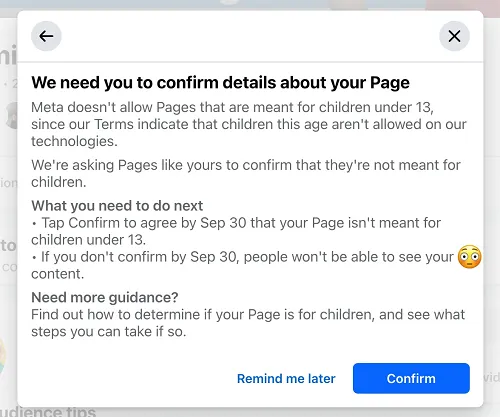
Last week, Facebook marketing expert Mari Smith shared a screenshot of this alert, which appeared on her Page. The message asked Page admins to confirm by September 30 that their content is not meant for children under 13.

What Was the Alert About?

The notification suggested that Meta is taking steps to enforce its rules against content targeting minors. Facebook’s policies prohibit users under 13 years old from using the platform, and this alert seemed like a way to reinforce those guidelines.

When users tapped on the alert, it provided more details about the process, indicating that Pages would have to explicitly confirm compliance. This would allow Meta to take action against any Pages that violate these policies.

Meta’s Response

After many Page admins expressed confusion, Meta issued a clarification:

We are aware of this bug and have fixed it. We are testing notifications to ensure pages are following our Terms of Use, which prohibit people under the age of 13 from using Facebook. In this case, these notifications were sent incorrectly.”

So, if you saw this message, there’s no need to worry. Meta has acknowledged that it was a mistake, and you shouldn’t receive the alert again.

Will This Happen Again?

Although this was a false alarm, Meta’s actions suggest that it may implement stricter enforcement in the future. If your content is targeted at minors, you might need to rethink your approach.

Even though Facebook already bans under-13 users, many still use the platform. This serves as a reminder that targeting kids with your content is not allowed and could lead to action against your Page.

Conclusion

If you got this alert, you can ignore it for now. But this situation highlights Meta’s focus on enforcing its policies more strictly. Whether you’re a business, influencer, or brand, it’s always a good idea to review your content strategy to ensure it aligns with Facebook’s guidelines.

Keep an eye out for any updates from Meta, as this could be a sign of future policy changes!

Also Read: Facebook Marketplace’s Big Update: What It Means for You!

Facebook Marketplace’s Big Update: What It Means for You!

Facebook Marketplace just got a major update! Meta (the company behind Facebook) has announced a new Facebook Marketplace Partner Program that will allow other online classified ad services to list their ads on Marketplace.

This change comes after the European Union fined Meta €797 million (about $828 million or ₹7,185 crore) for unfair business practices. The EU ruled that Meta was forcing people to use Facebook Marketplace by linking it to its main social network, making it hard for competitors to grow.

Now, Meta is responding to the EU’s concerns by introducing this new program. But what does it mean for users and businesses? Let’s break it down in simple terms.

What is the Facebook Marketplace Partner Program?

The Facebook Marketplace Partner Program allows other online classified ad platforms (like eBay) to post their listings on Facebook Marketplace. This means users will now see more listings from different websites, not just Facebook users.

Meta tested this program last month with eBay in Germany, France, and the US, and now it’s rolling out across Europe.

With this update:

  • Businesses can showcase their products to Facebook’s huge user base.
  • Users will get more options when browsing Marketplace.
  • Transactions will still happen on the third-party website, not on Facebook.

Why is Meta Doing This?

  1. Legal Pressure: Meta is facing strict EU regulations, and this change helps them comply while still keeping Marketplace relevant.
  2. More Listings, More Traffic: By allowing external businesses to post their ads, Facebook can attract more users to Marketplace.
  3. Competing with Other Platforms: Facebook Marketplace is up against giants like Amazon and eBay. By partnering with them, Meta keeps users engaged on its platform.

How Will This Work for Businesses?

  • Businesses must be an online classified ad service operating in Europe.
  • They need to upload their listings to Facebook Marketplace using Meta’s API.
  • Listings from these partners will appear alongside regular Facebook user posts but will be marked with an icon so users can tell the difference.
  • Users can browse listings on Facebook but will be redirected to the business’s website to complete the purchase.
  • Meta will initially allow free integration but later plans to charge businesses on a cost-per-click (CPC) basis.

What Does This Mean for Facebook Users?

  • More Choices: You’ll see ads from different platforms like eBay, giving you more variety.
  • Easy Shopping: You can browse listings on Facebook and complete your purchase on the seller’s site.
  • Better Experience: Marketplace will use Facebook’s advanced search and recommendation tools to show relevant ads.
  • User Control: Facebook users in Europe can choose which partner listings they want to see or opt out.

What’s Next for Facebook Marketplace?

Marketplace has been a big success since it launched in 2016, with over 1 billion users (as of 2021). This update is just the beginning. Meta is likely to expand this program beyond Europe if it works well.

If you’re a seller, this could be a big opportunity to get more visibility. If you’re a shopper, you’ll soon see a lot more listings and deals!

Conclusion

Meta’s new update is a game-changer for Facebook Marketplace. It brings in more competition, more listings, and better shopping experiences for users. While this move is partly due to legal issues, it could also make Marketplace more useful than ever.

If you’re in Europe, keep an eye out for new listings from different marketplaces. And if you’re a business owner, this might be your chance to reach millions of new customers!

What do you think about this update? Let us know in the comments!

Also Read: What’s New in Android’s February 2025 Google System Update?

What’s New in Android’s February 2025 Google System Update?

Android users, it’s that time again. Google has rolled out its latest system updates, packed with new features, bug fixes, and performance improvements across Android devices. These updates enhance the Play Store, Play Services, and system functionalities on phones, Wear OS, Google TV, Android Auto, and even PCs.

Not all features will be available immediately—some may take a little while to roll out. Let’s explore what’s new and how these updates improve your Android experience.

For official details, check Google’s release notes: Google’s Official Release Notes

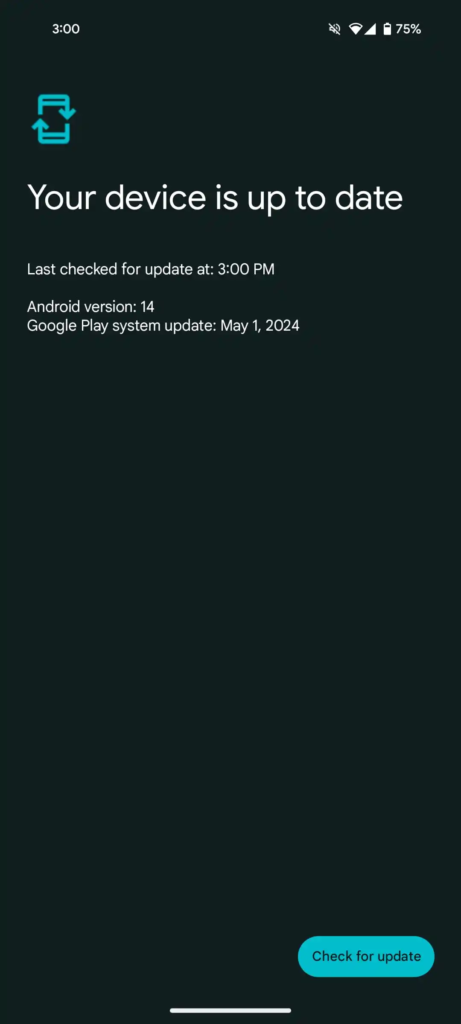
Google Play Services v25.06 (Released on February 17, 2025)

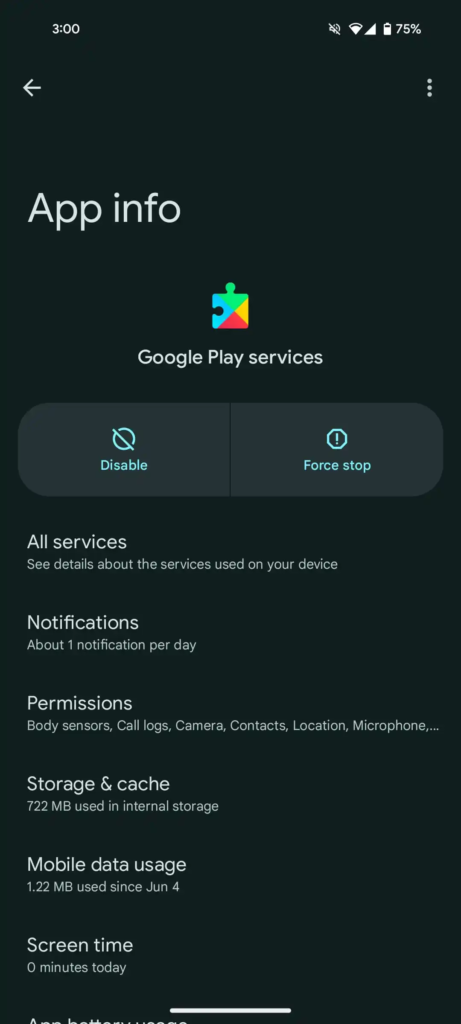
Google Play Services is the backbone of your Android device, keeping apps connected to essential services like Maps, Google Sign-In, and Wallet. Here’s what’s new:

  • Better Utilities for Developers – Google has added new tools that help apps run smoother and manage background tasks more efficiently.
  • Wallet Enhancements – Digital payments on both phones and Wear OS are now more seamless and secure.
  • Factory Reset Made Easier – If you ever need to wipe your device, the reset process is now more intuitive and user-friendly.

Keeping Google Play Services updated is crucial for smooth app performance and security.

Google Play Store v45.0 (Released on February 17, 2025)

Google is improving how you discover apps and navigate the Play Store:

  • Smarter Sponsored Search Suggestions – When you search for apps, sponsored suggestions now include descriptions to help you understand them before clicking.
  • Play Collections Made Simpler – Searching for “Collections” now shows curated app lists directly in your results, making it easier to find recommended apps.

Google Play Services v25.05 (Released on February 10, 2025)

This update improves device connectivity and file sharing:

  • Developer Tools for Connectivity – Google has introduced new features to help third-party developers integrate better connectivity processes into their apps.
  • Bug Fixes for Android Auto & Google TV – Your phone’s connection with Android Auto and Google TV should now be more stable and reliable.
  • Better Quick Share – The setup and onboarding for Quick Share have been improved, making it easier to share files quickly.

Google Play Store v44.9 (Released on February 10, 2025)

  • Collections Feature Expanded – Now available for Android 10-12 users in the US. You can also add a Play Store widget for quick access to Collections.
  • Watch Face Installation Made Easy – You can now install and set watch faces directly from your phone’s Play Store without touching your smartwatch.

Google Play Services v25.04 (Released on February 3, 2025)

Here are the key improvements in this update:

  • Easier Family Link Access – A new shortcut in Google Settings makes managing family groups more convenient.
  • AI & Machine Learning Boost – New developer tools improve AI-driven features, especially for Android Auto.
  • Stronger Device Connectivity – Google has fixed bugs across Auto, Phone, TV, and Wear OS to improve connection stability.
  • Better Quick Share Experience – If a Wi-Fi connection drops, file transfers will continue over mobile data.
  • Battery Life Optimization – System updates now help extend battery life on phones, Auto, TV, PCs, and Wear OS.
  • Enhanced Developer Utilities – New tools give developers more control over how apps use system resources.

Google Play Store v44.8 (Released on February 3, 2025)

  • Refreshed Play Games Profile UI – Setting up a Play Games profile is now smoother, with a better-designed interface.
  • Better App Quality on Tablets & ChromeOS – Google’s latest update ensures apps perform better on larger screens with Tablet pQuality version 3.

Conclusion

This month’s Android update is all about making devices more user-friendly, secure, and efficient. Whether it’s smoother connectivity, better app discovery, or improved file sharing, Google is refining the Android experience.

If you don’t see these updates yet, don’t worry—Google rolls them out in phases, so they may take a few weeks to reach everyone.

For the best experience, always keep your device updated.