
Google Search Testing Background Section

Google is continuously evolving its search experience to provide users with more relevant and comprehensive information. One of its latest experiments involves the introduction of a “Background” section in search results. This new feature aims to offer additional context on trending topics by aggregating key articles from authoritative sources.

What is the “Background” Section?

The “Background” section is a newly tested feature that appears within Google Search results. It curates relevant articles that provide in-depth insights, historical context, and analysis on a particular search topic. The feature is particularly useful for trending searches where users seek a well-rounded understanding of the subject.

Key Characteristics of the Background Section:

  • Found within Google Search results under specific queries.
  • Displays articles from reputable publishers such as Forbes, CNN, and Tom’s Guide.
  • Aims to provide historical context and additional information beyond basic search snippets.
  • Currently in the testing phase and not widely rolled out.

How It Works

When users search for a topic that Google deems relevant for additional context, a “Background” section may appear within the search results. This section contains links to in-depth articles that explain the subject from multiple angles. For example, searching for “iPhone SE 4” might show background articles discussing its release timeline, features, and comparison to previous models.

Google appears to be using this feature to surface valuable content that goes beyond real-time updates. Instead of just showing the latest news, the “Background” section presents well-researched articles that help users develop a deeper understanding of a subject.

Potential Impact on Search Experience

The introduction of the Background section can significantly influence how users interact with search results:

Benefits for Users

  • More Context: Users receive in-depth information rather than just real-time updates.
  • Trusted Sources: Google appears to prioritize reputable sources, reducing misinformation.
  • Better Understanding: Instead of clicking through multiple links, users can access summarized insights in one place.

Impact on SEO & Digital Publishers

  • Traffic Distribution: Publishers featured in the Background section may see increased organic traffic.
  • Content Quality Emphasis: Sites producing in-depth, research-backed content may benefit from improved visibility.
  • Competitive Advantage: Websites included in this feature gain credibility and authority.

Similar Features in Google Search

Google has been experimenting with similar enhancements in recent months:

  1. “For Context” Feature – Found in Google News, providing background information on breaking news.
  2. “Perspectives” Section – Highlighting diverse viewpoints from blogs, forums, and social media.
  3. AI-Generated Summaries – Experimenting with AI-driven search results to provide quick overviews.

These features demonstrate Google’s push toward enhancing user experience by offering comprehensive, reliable, and structured information.

Future Implications

While still in the experimental phase, the Background section could reshape how information is consumed in Google Search. If successfully rolled out, it may:

  • Become a standard feature for major news topics and tech releases.
  • Influence SEO strategies, as in-depth content gains more priority.
  • Shift how users engage with search results, encouraging longer dwell times and better-informed decision-making.

Conclusion

Google’s Background section is an innovative step toward making search results more informative and user-friendly. By providing additional context through reputable sources, Google enhances the search experience and empowers users with well-rounded knowledge. While its full rollout remains uncertain, this feature signifies Google’s ongoing efforts to prioritize quality content and improve search relevance.

Stay Updated

As Google continues refining this feature, publishers and SEO professionals should focus on creating high-value, research-driven content to stay competitive in the evolving search landscape. 🚀

Also Read: Google Stays on Top in AI as China’s DeepSeek Gains Attention

Google Stays on Top in AI as China’s DeepSeek Gains Attention
Artificial intelligence (AI) is heating up, and Google isn’t backing down. Even though China’s DeepSeek AI is making waves, Google’s leaders are confident they still lead the AI game. Let’s break it down in a simple way.

Google vs. DeepSeek: The AI Battle

DeepSeek AI, a Chinese AI company, has been making headlines, and some experts are wondering if it could challenge Google’s AI dominance. But Google DeepMind’s CEO, Demis Hassabis, isn’t too worried. He believes DeepSeek’s reported training costs are likely lower than the real expenses and that it may have used more Western AI technology than it admits.

Google’s AI: Still the Best?

Hassabis made it clear that Google’s AI models are still more efficient and more powerful than DeepSeek’s. He did acknowledge that DeepSeek is China’s most advanced AI team, but that doesn’t mean it’s ready to beat Google just yet. However, its growth does raise important concerns in security and global politics.

DeepSeek’s Impact on the Market

When DeepSeek launched its AI model, R1, in January, it shook up the market. Tech stocks took a hit, and even Nvidia—one of the biggest players in AI—lost around $589 billion in market value on January 27.

Big Tech Is Still Spending Big on AI

Despite DeepSeek’s cost-cutting approach, big U.S. tech companies like Google, Amazon, Meta, and Microsoft aren’t holding back. They have invested billions into AI research and plan to continue in 2025. Their strategy is clear: spend big and stay ahead.

Google’s AI Ethics Debate

While Google continues to push AI forward, there are growing internal concerns about its changing ethics policies. Employees are questioning whether AI should be used for things like surveillance and military purposes.

Kent Walker, Google’s head of global affairs, explained the shift. He said Google’s strict AI rules, set in 2018 after its involvement in Project Maven (a military AI project), might not fit today’s AI landscape. Instead, Google believes AI needs flexible policies that adapt to its rapid growth.

What’s Next?

AI is evolving fast, and Google is making sure it stays ahead. While DeepSeek is gaining attention, Google’s confidence in its superior AI models and massive investments show that it’s not giving up its AI crown anytime soon.

The AI battle is just getting started—who do you think will win?

Also Read: Elevate Your Digital Marketing Strategy: The Comprehensive Audit Checklist for 2025

Elevate Your Digital Marketing Strategy: The Comprehensive Audit Checklist for 2025

Achieving success in digital marketing requires more than just launching campaigns. It involves a continuous evaluation of strategies to ensure they are driving maximum value. A detailed digital marketing audit helps businesses identify opportunities, eliminate inefficiencies, and future-proof their strategies. Here’s the ultimate guide to performing an in-depth digital marketing audit in 2025.

Step 1: Define Clear Objectives

Key Questions to Address:

  • Are you looking to increase brand awareness or drive conversions?
  • Do you aim to improve lead generation or enhance customer engagement?
  • Are there specific market segments you wish to target?

Why It’s Crucial:

Defining clear objectives sets the stage for a focused and actionable audit. For example, if boosting lead generation is a priority, the audit should emphasize landing page performance and email marketing effectiveness. Clear goals ensure alignment with broader business strategies and enable measurable outcomes.

Step 2: Assess Your Current Digital Presence

1. Website Analysis

Key Areas to Examine:

  • Design & User Experience (UX): Is navigation intuitive, and does it align with user expectations?
  • Loading Speed: Are pages loading within three seconds?
  • Mobile Optimization: Does the site offer a seamless mobile experience?
  • Content Quality: Are blogs, product descriptions, and landing pages relevant and engaging?

Recommended Actions:

  • Use tools like GTmetrix and Google PageSpeed Insights to measure performance.
  • Implement responsive design and optimize images to improve loading times.

2. Social Media Presence

Key Metrics to Evaluate:

  • Engagement: Monitor likes, shares, and comments for trends.
  • Content Variety: Evaluate whether content types (videos, stories, posts) match audience preferences.
  • Platform Efficiency: Determine which platforms drive the most engagement and conversions.

Tips:

  • Use advanced analytics tools like Sprout Social to compare platform performance.
  • Shift resources from underperforming platforms to those delivering better ROI.

3. Email Marketing Campaigns

What to Measure:

  • Open and Click-Through Rates (CTR): Are your emails engaging?
  • List Health: Are subscribers segmented effectively?
  • Conversion Metrics: Are campaigns driving desired actions?

Improvement Suggestions:

  • Conduct A/B testing on subject lines and CTAs.
  • Remove inactive subscribers to maintain list hygiene and engagement rates.

4. SEO Presence

Focus Areas:

  • Keyword Performance: Are your keywords driving organic traffic?
  • Content Optimization: Are meta tags and headers aligned with target keywords?
  • Local SEO: Are business listings optimized for local search?

5. Content Strategy

Questions to Ask:

  • Does your content resonate with your target audience?
  • Are you addressing trending topics or customer pain points?
  • How well is your content optimized for SEO?

Step 3: Analyze Website Performance

Your website is your digital storefront. A deep dive into its performance ensures it meets user expectations and supports business goals.

Metrics to Track:

  1. Traffic Sources: Analyze organic, referral, and paid traffic contributions.
  2. User Behavior: Examine bounce rates, average session durations, and navigation paths.
  3. Conversion Metrics: Evaluate form submissions, cart abandonments, and sales figures.

Tools:

  • Google Analytics for comprehensive user data.
  • Hotjar for heatmaps and behavior visualization.

Immediate Fixes:

  • Repair broken links to improve navigation.
  • Optimize CTAs on high-traffic pages for better conversions.

Step 4: Evaluate Your SEO Strategy

Search Engine Optimization is foundational to digital success. A robust SEO audit should cover:

1. Keyword Analysis

  • Identify top-performing and underperforming keywords.
  • Adjust your strategy to include voice-search-friendly long-tail keywords.

2. Technical SEO

  • Ensure XML sitemaps are up-to-date.
  • Resolve crawl errors and improve site speed.
  • Implement structured data for rich search results.

3. Backlink Analysis

  • Monitor the quality and quantity of backlinks.
  • Disavow toxic links to maintain a clean profile.

4. Local SEO

  • Claim and update business profiles on Google My Business.
  • Encourage customer reviews to boost local rankings.

Step 5: Review Social Media Performance

Social media platforms are indispensable for engagement and branding. Conduct a thorough audit by:

Areas to Focus:

  1. Engagement Metrics: Assess interaction rates on posts and stories.
  2. Audience Insights: Understand demographic trends and preferences.
  3. Content Effectiveness: Identify top-performing posts and replicate successful strategies.

Tools:

  • Use Hootsuite for multi-platform analytics.
  • Leverage platform-specific insights (e.g., Instagram Insights, LinkedIn Analytics).

Step 6: Optimize Email Marketing Campaigns

Emails remain one of the most direct ways to reach customers. To maximize ROI:

Audit Components:

  1. Automation: Are workflows tailored for user behavior (e.g., abandoned cart reminders)?
  2. Design: Ensure templates are visually appealing and mobile-friendly.
  3. Personalization: Use dynamic content to address individual preferences.

Best Practices:

  • Segment audiences for tailored messaging.
  • Regularly clean email lists to maintain high deliverability rates.

Step 7: Refine Paid Advertising Campaigns

Paid campaigns are an essential component of digital marketing. Optimize by:

Focus Areas:

  1. Performance Metrics: Track CTR, CPC, and ROI for each campaign.
  2. Targeting: Adjust demographic and behavioral targeting to improve efficiency.
  3. Creatives: A/B test visuals and copy for optimal engagement.

Step 8: Compile and Present Findings

Organizing your findings into a clear report ensures alignment with stakeholders. Include:

Sections to Cover:

  1. Success Metrics: Highlight areas of strong performance.
  2. Challenges: Address gaps and inefficiencies.
  3. Opportunities: Suggest new strategies or tools.
  4. Actionable Steps: Provide a prioritized roadmap for implementation.

Step 9: Continuous Monitoring and Adaptation

Digital marketing is not static. Establish a framework for:

Ongoing Reviews:

  • Schedule quarterly audits to track progress.
  • Use analytics tools to identify trends and adjust strategies in real time.

Emerging Trends:

  • Integrate AI tools for predictive analytics.
  • Optimize for voice search and short-form video content.

Conclusion: Unlocking Future Success

A digital marketing audit is more than a health check; it’s a blueprint for sustainable growth. By regularly auditing your efforts, you can ensure alignment with business goals, stay competitive, and adapt to market trends. Use this guide to transform your digital strategies and achieve unparalleled success in 2025.


FAQs

1. Why is a digital marketing audit important? To evaluate the effectiveness of your strategies and align them with evolving trends.

2. How often should I conduct an audit? Quarterly reviews are recommended, though annual audits provide a comprehensive analysis.

3. What tools are essential for a successful audit? Google Analytics, SEMrush, Ahrefs, and Mailchimp are highly effective.

4. Can audits benefit small businesses? Absolutely! Audits help small businesses allocate resources efficiently and identify high-impact strategies.

5. What’s the first step in optimizing SEO? Start with a keyword analysis to identify terms with high traffic potential.

Google Rolls Out AI-Powered Security Update for Chrome

Google has taken another significant step in enhancing web security by rolling out an AI-powered security update for Chrome. This latest update introduces advanced artificial intelligence (AI) capabilities to bolster online safety, improve phishing detection, and protect users from malicious threats. As cyber threats continue to evolve, Google’s commitment to leveraging AI for real-time security is a game-changer for Chrome users.

AI-Powered Safe Browsing Feature

One of the key components of this update is the integration of AI into Chrome’s Safe Browsing feature. Traditionally, Safe Browsing worked by maintaining a database of malicious websites and warning users when they attempted to visit a flagged site. However, this approach had limitations due to the rapid evolution of cyber threats.

How AI Enhances Safe Browsing:

  • Real-Time Threat Detection: The AI-powered Safe Browsing system analyzes web pages in real-time rather than relying solely on a static database.
  • Phishing Prevention: AI models can detect phishing attempts by examining website structures, login forms, and suspicious URL patterns.
  • Automated URL Analysis: The update reduces the time it takes to identify and block malicious sites by dynamically analyzing URLs before users click on them.

By integrating these AI advancements, Chrome can now proactively prevent cyberattacks before they compromise user security.

Improved Password Protection

Google Chrome’s built-in Password Manager also benefits from the AI-driven security update. With the enhanced AI capabilities, users will receive more robust protection against compromised credentials and phishing attempts.

New Password Security Features:

  • Automatic Password Breach Alerts: AI detects data breaches and notifies users if their saved passwords have been compromised.
  • Enhanced Autofill Security: Chrome’s AI can detect fake login pages designed to steal credentials and warn users before they enter sensitive information.
  • Adaptive Learning: The AI continuously improves by analyzing past security incidents to predict and prevent new threats.

AI-Driven Malware Detection

Malware remains a significant threat to internet users, and Google’s latest update aims to minimize this risk using AI-powered malware detection. Chrome’s built-in security systems can now analyze website behavior to identify potential malware threats before users interact with them.

Key Benefits of AI Malware Detection:

  • Behavioral Analysis: The AI detects malicious scripts and suspicious download patterns to prevent users from installing harmful software.
  • Enhanced File Scanning: Chrome now automatically scans downloaded files for hidden malware before opening them.
  • Real-Time Monitoring: AI continuously monitors browser activity for anomalies, ensuring a safer browsing experience.

Smarter Ad and Pop-Up Blocking

Intrusive ads and pop-ups can not only be annoying but also pose serious security risks. Google has integrated AI-based ad filtering into Chrome’s update to enhance user experience and security.

AI-Powered Ad Protection:

  • Automatic Ad Scanning: Chrome now analyzes ads in real-time and blocks deceptive or harmful content.
  • Prevention of Clickjacking Attacks: AI can detect hidden elements that trick users into clicking malicious links.
  • Blocking Malicious Redirects: AI prevents unauthorized redirects that could lead users to phishing sites or scam pages.

Enhanced Security for Enterprises

Businesses and organizations rely on Chrome for secure web browsing, and Google’s new update brings additional benefits to enterprise users.

Enterprise-Focused Security Features:

  • AI-Guided Policy Enforcement: Organizations can implement AI-powered security policies to restrict access to risky websites.
  • Phishing Resistance for Employees: AI-driven training modules help employees recognize phishing attempts more effectively.
  • Cloud-Based Security Management: Chrome’s AI security features seamlessly integrate with cloud-based enterprise security tools.

Privacy Considerations and User Control

While AI-powered security brings numerous advantages, privacy concerns remain a priority. Google ensures that its AI-driven security mechanisms operate with privacy-first principles:

  • On-Device Processing: Many security features work locally on the user’s device without sending data to external servers.
  • User Customization: Users have control over their security settings, allowing them to adjust AI-powered features based on their preferences.
  • Transparent Policies: Google provides clear documentation on how AI-powered security operates and what data is collected.

Conclusion

Google’s AI-powered security update for Chrome represents a major leap in cybersecurity innovation. By integrating AI into Safe Browsing, password protection, malware detection, and ad filtering, Chrome users can now browse the web with greater confidence and protection. As cyber threats become increasingly sophisticated, Google’s commitment to leveraging AI for real-time threat prevention sets a new benchmark for web security.

With this update, users can expect a safer and more secure browsing experience, reinforcing Chrome’s position as the world’s most trusted web browser. Stay updated with the latest security enhancements by enabling automatic updates in Chrome and exploring the new AI-powered features today.

Also Read: Google Updates Crypto Ad Policy in UAE – What It Means for You

Google Ads Tests ‘Advanced Plans’ for AI-Powered Budget Optimization

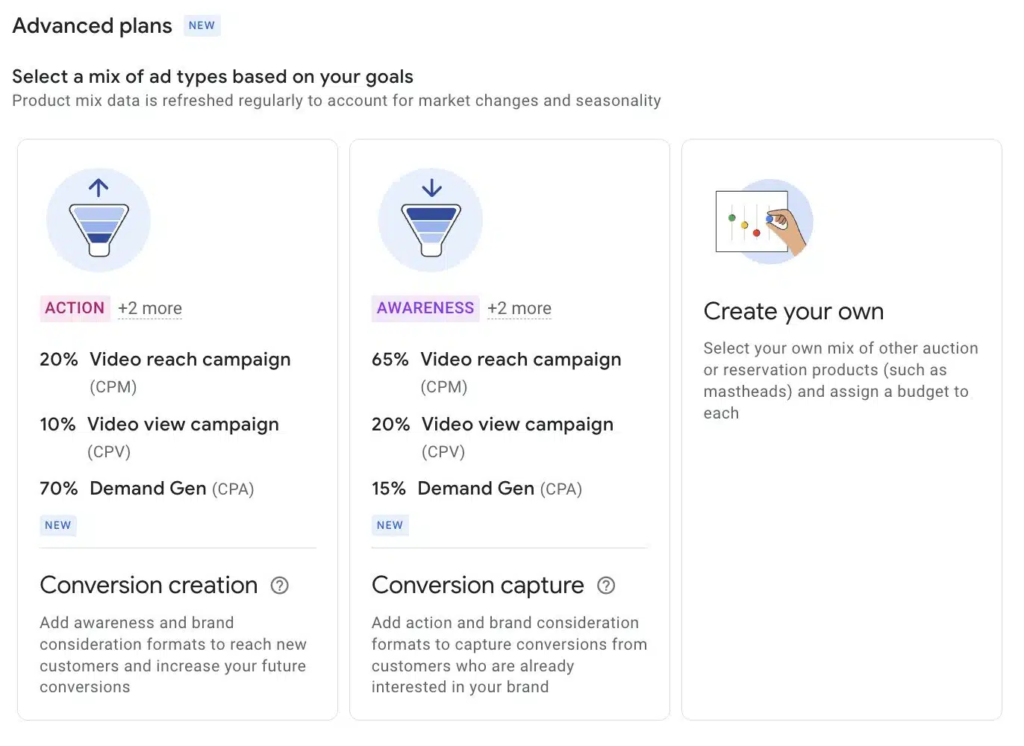
Google Ads continues to refine its advertising tools, aiming to streamline campaign management and budget allocation. The latest addition to its Reach Planner tool is “Advanced Plans,” an AI-powered feature designed to help advertisers optimize ad spend and maximize conversions.

This new feature was first spotted by digital marketing expert Brent Neale, and it is currently in the testing phase. If fully implemented, Advanced Plans could revolutionize how advertisers plan their ad campaigns by providing automated budget recommendations and optimized ad type combinations.

What Is the ‘Advanced Plans’ Feature?

The Advanced Plans feature in Google Ads’ Reach Planner tool aims to enhance budget allocation strategies by leveraging machine learning. It generates customized ad type combinations based on an advertiser’s goals, ensuring an optimal mix of formats for conversion creation and capture.

How It Works

  • Smart Recommendations: The tool analyzes an advertiser’s objectives and recommends the most effective mix of ad types.
  • Optimized Budget Allocation: It suggests where to allocate budgets to maximize conversions and reach.
  • AI-Driven Efficiency: By integrating AI, the feature aims to remove guesswork from budget planning and campaign structuring.

Why This Matters for Advertisers

The Advanced Plans feature could be a game-changer for advertisers looking to improve budget efficiency. Some of the key benefits include:

  1. Better ROI on Ad Spend
    • By recommending the best ad type and budget mix, this tool ensures advertisers get maximum value from their budget.
  2. Time-Saving Campaign Planning
    • Instead of manually testing different budget allocations, advertisers can rely on Google’s AI to automate the process.
  3. Data-Driven Decision Making
    • Machine learning provides real-time insights, making it easier to refine campaigns for higher conversion rates.
  4. Alignment with Google’s Automation Goals
    • The move aligns with Google’s broader strategy of simplifying ad campaign planning through AI-driven automation.

Google’s Push Toward AI-Driven Advertising

Google has been progressively integrating AI into its advertising ecosystem to enhance performance and ease of use. The Advanced Plans feature follows similar AI-powered tools, such as:

  • Performance Max Campaigns – which automate ad placements across multiple Google properties.
  • Smart Bidding – which optimizes bids in real time for better conversion rates.

By testing Advanced Plans, Google is strengthening its efforts to make ad management more automated, predictive, and efficient.

What’s Next?

Since Advanced Plans is still in testing, Google may refine it further based on advertiser feedback. If successful, the tool will likely be rolled out to a wider audience in the coming months.

Key Takeaways

  • Google Ads’ Advanced Plans is an AI-powered budget optimization feature in the Reach Planner tool.
  • It suggests ad type combinations and budget allocations to maximize conversions.
  • This aligns with Google’s broader push toward AI-driven automation in advertising.
  • If fully launched, it could streamline campaign planning and improve ad performance for advertisers.

Final Thoughts

Google’s ongoing advancements in AI-powered advertising tools suggest a shift toward fully automated campaign management. With Advanced Plans, advertisers can expect smarter recommendations, better ROI, and less manual effort in budget planning.

As this feature undergoes further testing, marketers should stay updated on its rollout and experiment with AI-driven campaign strategies to stay ahead in the digital advertising landscape.

Would you use Google’s Advanced Plans for your next campaign? Let us know your thoughts! 

Also Read: Google Updates Crypto Ad Policy in UAE – What It Means for You

Google Unveils Car-Ready Apps Program in Android Auto 13.8 Update

Google has introduced a new “Car-Ready Apps Program” as part of its latest Android Auto 13.8 update. This initiative aims to enhance the in-car digital experience by enabling more third-party developers to create applications optimized for use in vehicles. With the growing demand for smarter in-car infotainment systems, Google’s latest update is a significant step toward a more seamless and user-friendly driving experience.

What Is the Car-Ready Apps Program?

The Car-Ready Apps Program is designed to expand the variety of apps available for Android Auto users. Previously, only select applications, primarily those related to navigation, communication, and media, were allowed. With this update, Google is inviting developers to create apps across a broader spectrum, including productivity, smart home integration, and more.

Key Features of the Program:

  • Expanded App Categories: Google is now allowing more diverse app categories beyond navigation and entertainment.
  • Developer Access: The program provides third-party developers with tools and guidelines to ensure their apps meet Google’s safety and usability standards for in-car use.
  • Enhanced User Experience: Apps designed under this program will be optimized for the Android Auto interface, reducing distractions while driving.

Android Auto 13.8 Update: What’s New?

Apart from the Car-Ready Apps Program, the Android Auto 13.8 update brings several improvements and bug fixes aimed at refining the overall user experience.

Notable Updates:

  1. Improved Performance & Stability: The update enhances connectivity and stability, reducing instances of crashes or lag.
  2. Enhanced Google Assistant Integration: Voice commands have become more intuitive, allowing users to control apps more efficiently.
  3. Better App Compatibility: Developers can now design apps with improved touch and voice control interfaces for safer navigation.
  4. Security Enhancements: Google has strengthened security protocols to protect user data while using Android Auto.

How This Update Benefits Users

The Android Auto 13.8 update is set to make in-car entertainment and navigation more convenient and interactive. Here’s how:

  • More Choices for Users: With a broader range of apps, users can access productivity tools, smart home controls, and other useful applications while on the road.
  • Seamless Integration: Developers will ensure their apps are fully compatible with the Android Auto UI, providing a hassle-free experience.
  • Increased Safety: Google’s strict guidelines for app development ensure minimal driver distraction, making the driving experience safer.

Impact on Developers

For developers, this program opens up new opportunities to create innovative in-car experiences. Google is offering comprehensive resources, including:

  • API Access: Developers can access the Android Auto API to tailor their apps for automotive use.
  • Testing & Certification: Apps must undergo rigorous testing to ensure they comply with Google’s usability and safety standards.
  • Market Expansion: By adapting their apps for Android Auto, developers can reach a growing audience of car owners who rely on in-car technology.

Future Prospects for Android Auto

With the launch of the Car-Ready Apps Program, Android Auto is poised to become more versatile and competitive in the connected car ecosystem. Google’s commitment to enhancing the platform means users can expect more features and improvements in the near future.

Expected Enhancements:

  • Deeper Integration with Google Services: More apps leveraging Google’s AI and cloud technology.
  • Expansion to More Vehicles: More automakers may integrate Android Auto natively into their infotainment systems.
  • Enhanced Customization Options: Users may gain more control over the interface and settings to personalize their experience.

Conclusion

Google’s Android Auto 13.8 update, with its Car-Ready Apps Program, is a major leap forward in automotive technology. By empowering developers and expanding the range of available apps, Google is ensuring a more connected and productive driving experience. Whether you are a user looking for new app options or a developer eager to innovate in the automotive space, this update brings exciting possibilities for the future of in-car digital solutions.

Google Updates Crypto Ad Policy in UAE – What It Means for You

Google just made a big change to how cryptocurrency ads work in the UAE! If you’re into crypto or run a crypto business, this update is important.

Starting February 26, 2025, Google will allow crypto exchanges and software wallets to advertise in the UAE only if they meet specific rules and get Google’s approval.

What Are the New Rules?

To advertise crypto-related services in the UAE, businesses must:

Why Did Google Change Its Policy?

Google wants to protect users from scams and make sure only legit crypto companies can advertise. Since crypto is risky, this step ensures businesses are properly regulated.

What Happens If Companies Don’t Follow the Rules?

If a crypto company violates Google’s policy, their ad account will be suspended. But they’ll get a 7-day warning before any suspension.

How Does This Impact Crypto in UAE?

This update means that top crypto exchanges like Binance, OKX, and Crypto.com can now target UAE customers with ads. Even local exchanges like BitOasis, M2, and CoinMENA can advertise.

Even crypto custodians (companies that store crypto safely) like Komainu and Liminal will now be able to promote their services on Google.

Why the UAE Loves Crypto

The UAE is becoming a crypto hub in the Middle East. More than 30% of the population owns crypto! And with big investments like $436 million from UAE’s sovereign wealth fund into BlackRock’s Bitcoin ETF, the country is going all in on digital assets.

Conclusion

Google’s update is a win for the crypto industry in the UAE. It allows legit businesses to advertise while keeping scams out. If you’re in crypto, make sure you’re licensed and Google-certified before running ads!

Also Read: Google’s New Search Policies Shake Up Digital Publishing in 2025

Google Disables Earthquake Alerts in Brazil After Major False Alarm

What Happened?

Imagine waking up in the middle of the night to a loud earthquake warning on your phone—only to find out it was a mistake! That’s exactly what happened to people in São Paulo and Rio de Janeiro last week. Google’s Android Earthquake Alerts system accidentally sent out false warnings about a 5.5 magnitude earthquake that never actually happened.

The system pointed to Ubatuba and Baixada Santista as the earthquake’s location, but officials quickly confirmed there was no real quake. Naturally, people were confused and a bit freaked out!

Why Did This Happen?

Google later admitted that their system misinterpreted some offshore activity near São Paulo and mistakenly triggered the warnings. The alerts were completely wrong, and Google apologized for the mess-up.

How Does Google’s Earthquake Alert System Work?

In case you’re wondering, Google’s Android Earthquake Alerts system is pretty smart. It uses motion sensors in Android phones to detect the tiny first tremors (P-waves) before a bigger earthquake happens. This system was designed to give people a few extra seconds to prepare before real shaking begins.

It started in the U.S. in 2020 and has since expanded to places like Greece and New Zealand. But this was the first major false alarm since launch.

What’s Next?

Because of this big mistake, Google has temporarily shut down earthquake alerts in Brazil. They’re now investigating what went wrong to prevent it from happening again.

While Google’s system has helped in real earthquakes before, this incident shows that even the most advanced technology isn’t perfect. We’ll have to wait and see how Google fixes this issue before the service returns.

💬 What do you think? Should we trust phone-based earthquake alerts? Let me know in the comments! 👇

Also Read: Google’s New Search Policies Shake Up Digital Publishing in 2025

Google’s New Search Policies Shake Up Digital Publishing in 2025

The digital publishing landscape is undergoing a seismic shift as Google enforces stricter search policies, significantly impacting publishers worldwide. The latest changes, which target sponsored content, product reviews, and coupon-based pages, threaten the ad-driven revenue model that many publishers rely on. As search visibility declines, media houses must rethink their strategies to survive in this evolving ecosystem.

Google’s New Search Policy: A Game Changer

In March 2024, Google introduced the Core Update and New Spam Policies, marking one of the most extensive updates in its history. This policy change directly affects:

  • Sponsored Content & Product Reviews: Pages that include paid promotions are no longer indexed for SEO rankings.
  • Coupon-Based Pages: Google has cracked down on affiliate businesses that distribute discount coupons to manipulate search rankings.
  • Focus on User-Centric Content: Google’s emphasis is now on ranking content that provides genuine value rather than content optimized purely for search engines.

The Impact on Digital Publishers

Prominent global media houses such as Forbes, CNN, and The Wall Street Journal have seen a significant drop in search traffic due to these updates. Indian publishers, too, have been hit hard, with reports suggesting a 25-30% decline in traffic over the past six months.

According to Sistrix, a search analytics firm, the global loss in traffic value is estimated at $7.5 million, posing a serious financial threat to news publishers that heavily rely on digital ad revenue.

Why Google Enforced These Restrictions

Google’s move is intended to curb spam and improve search result quality. The search giant aims to promote user-centric content and reduce low-value content that prioritizes ranking over reader engagement. The official Google blog states:

“The March 2024 core update is a more complex update than our usual core updates, involving changes to multiple core systems. It marks an evolution in how we identify the helpfulness of content.”

While these updates aim to improve user experience, they have also made it harder for publishers to maintain their search visibility and ad revenue.

The Double Blow: AI-Powered Search & Ad Revenue Decline

Apart from Google’s policy changes, AI-powered search results are further reducing traffic to news websites. According to a WARC report, 58.5% of U.S. Google searches result in no clicks, meaning users are increasingly consuming information directly on the search engine rather than visiting publisher sites.

Additionally, Cost Per Mille (CPM) rates, which determine advertising revenue, have dropped dramatically over the years. In India:

  • 2000: CPM rates ranged from ₹250 to ₹1,000.
  • 2025: CPM rates have plummeted to ₹50 to ₹150, significantly reducing ad revenue potential.

Declining Click-Through Rates (CTR)

Another major challenge is the drop in Click-Through Rates (CTR). In the early days of online advertising, CTRs were as high as 40%, but today, even a 0.3% CTR is considered acceptable. This decline is attributed to:

  • Ad Fatigue: Users have grown desensitized to banner and pop-up ads.
  • Increased Competition: The rise of social media and content platforms has fragmented user attention.
  • Algorithmic Changes: Google’s updates prioritize high-quality content, making it harder for publishers to attract clicks through traditional advertising.

Alternative Revenue Models for Digital Publishers

With declining ad revenue and traffic, publishers must diversify their income streams. Some emerging monetization strategies include:

1. Subscription-Based Models

Many leading news organizations are moving toward paywalls and premium memberships. Examples include:

  • The New York Times: Offers digital subscriptions with exclusive content.
  • The Hindu: Launched a digital-only subscription model.

2. Event Hosting & Sponsored Webinars

Hosting live events and industry webinars can generate revenue through sponsorships and ticket sales. The Economic Times and India Today have successfully implemented this model.

3. Branded Content & Native Advertising

Rather than traditional ads, many publishers are investing in sponsored content that blends seamlessly with editorial material. These are non-intrusive and often provide better engagement.

4. Data Licensing

Publishers can monetize audience insights by offering anonymized datasets to advertisers and marketers. Business Standard and Financial Express have begun exploring this avenue.

The Road Ahead: What Publishers Must Do

With the Indian digital news market expected to reach 700 million users by 2026, there is still room for growth. However, to thrive in this new era, publishers must:

  • Prioritize High-Quality, User-Focused Content: Creating genuinely helpful and informative content will improve organic rankings.
  • Leverage AI for Personalized User Experience: Implementing AI-driven content recommendations can help retain readers.
  • Invest in Multi-Platform Distribution: Engaging audiences across social media, newsletters, and apps will reduce dependence on Google search traffic.
  • Collaborate with Google & Tech Firms: Google’s GNI Indian Languages Program has helped over 500 publishers increase page views by 32% and digital ad revenue by 39%. Participating in such initiatives can provide crucial support.

Conclusion

Google’s tightening of search policies represents a major challenge for digital publishers, but it also signals an industry shift toward authentic, user-driven content. While the decline in SEO traffic and ad revenue is concerning, adaptive publishers that embrace innovation and diversify their revenue streams will emerge stronger.

The future of digital publishing lies in balancing SEO strategies with audience engagement, leveraging new technologies, and creating meaningful content that resonates with users. By doing so, publishers can navigate these turbulent times and secure long-term sustainability in the ever-evolving digital ecosystem.

Also Read: Google’s New Family Link Updates: Helping Kids Stay Focused