Voice Search Optimization: Get More Traffic with Simple Steps

Imagine this: You’re driving and suddenly crave pizza. Instead of typing on your phone, you just say, “Hey Google, where’s the best pizza place near me?” And in seconds, you get an answer!

That’s the magic of voice search.

Every day, more people use voice assistants like Google Assistant, Siri, and Alexa to search, shop, and book services. Studies show that voice searches are increasing fast, and businesses that adapt will have a huge advantage.

If you want your website to show up in voice search results, you need to make some simple changes. This guide will show you how.

What Is Voice Search Optimization?

Voice search optimization means making your content easier to find when people use voice assistants. The goal? To have your content read aloud as the best answer to a question.

Voice searches sound different from typed searches. Here’s the difference:

  • Typed search: “best pizza places near me”
  • Voice search: “Hey Google, where’s the best pizza place nearby?”

To rank for voice search, your content should match how people naturally talk.

Why Voice Search Optimization Is Important

Voice search is the future of online searches. If your website isn’t optimized, you might be losing customers.

Here’s why you should care:

  • More visibility – Your site can appear in voice search results, bringing in more visitors.
  • Stronger credibility – If Google or Alexa picks your answer, it makes your brand look trustworthy.
  • Better user experience – People get quick answers, which keeps them happy.

Now, let’s see how you can optimize for voice search.

6 Simple Ways to Rank Higher in Voice Search

1. Use Conversational Keywords

Voice search sounds more like real conversation. Instead of short keywords, people ask full questions. So, use:

  • Long-tail keywords: “Best pizza restaurants in Mumbai.”
  • Question-based keywords: “Where can I find the best pizza in Mumbai?”
  • Natural phrases: “What’s the best pizza place near me?”

Use tools like Google Autocomplete and AnswerThePublic to find common voice search questions.

2. Get Featured Snippets

Voice assistants often read answers from featured snippets (the top Google result in a highlighted box). To boost your chances:

  • Write clear, short answers (30-40 words work best).
  • Use bullet points or lists for easy reading.
  • Add an FAQ section with common customer questions.

3. Speed Up Your Website & Optimize for Mobile

Most voice searches happen on mobile devices, so your website must be fast and mobile-friendly. Here’s how:

  • Reduce image sizes to speed up loading times.
  • Use Google’s Mobile-Friendly Test to check your site.
  • Improve your page speed using Google PageSpeed Insights.

4. Focus on Local SEO

Many voice searches are location-based, like “best coffee shop near me.” To rank for these searches:

  • Optimize your Google Business Profile with updated details.
  • Use local keywords like “best coffee shop in Delhi.”
  • Get more customer reviews on Google and Yelp.

5. Use Schema Markup

Schema markup helps search engines understand your content better, making it easier for voice assistants to find your site.

Use schema markup for:

  • Business details (name, address, contact info).
  • FAQs and how-to guides.
  • Product and service descriptions.

6. Keep Improving Your SEO Performance

SEO is an ongoing process. You need to track your rankings and improve where needed. Use tools like Google Search Console and SEMrush to check your progress.

Conclusion

Voice search is growing fast, and smart businesses are getting ahead.

By using conversational keywords, optimizing for featured snippets, improving website speed, focusing on local SEO, and using schema markup, you can boost your visibility and get more traffic.

Start optimizing now and make sure your business gets found in voice searches!

The Best SEO Tools in 2025 (A Complete Guide)

SEO is no longer just about adding keywords and hoping for the best. If you want your website to rank higher on Google, you need the right tools. But with hundreds of SEO tools available, choosing the right one can be overwhelming.

Some tools help you find the best keywords, while others track rankings, fix technical issues, or analyze competitors. The right tool can save you time, improve your strategy, and give you an edge over competitors.

I’ve tested many SEO tools and narrowed them down to the best ones for 2025. Whether you’re a beginner or an expert, this guide will help you choose the right tool based on your needs.

What Are SEO Tools & Why Do You Need Them?

SEO tools help improve your website’s ranking on search engines like Google. They assist with:

  • Finding the right keywords to target
  • Tracking rankings and website performance
  • Analyzing competitors to stay ahead
  • Fixing technical issues for better SEO
  • Optimizing content to match Google’s requirements

Without the right tools, ranking on Google can be difficult and time-consuming. Let’s dive into the best tools available.

The Best SEO Tools for 2025

1. Google Search Console (Free) – Best for Beginners

Google Search Console is a must-have for anyone serious about SEO. It shows how your website appears on Google, alerts you about errors, and provides insights on how to improve rankings.

Key Features:

  • Tracks keyword rankings
  • Finds website errors
  • Helps improve site performance

2. Ahrefs (Paid) – Best for Backlink Analysis

Ahrefs is one of the most powerful SEO tools for tracking backlinks and analyzing competitors.

Key Features:

  • Finds backlink opportunities
  • Analyzes competitors’ websites
  • Tracks keyword rankings over time

3. SEMrush (Paid) – Best for Keyword Research

SEMrush is a complete SEO tool that helps with keyword research, competitor analysis, and website tracking.

Key Features:

  • Finds high-traffic keywords
  • Tracks keyword rankings
  • Offers competitor research

4. Surfer SEO (Paid) – Best for Content Optimization

Surfer SEO helps improve your content by analyzing what’s already ranking on Google.

Key Features:

  • Suggests keyword placements
  • Improves readability
  • Provides SEO scoring for content

5. Screaming Frog SEO Spider (Free & Paid) – Best for Technical SEO

This tool scans your website for technical SEO issues and provides solutions to fix them.

Key Features:

  • Detects broken links
  • Finds duplicate content
  • Analyzes page speed

6. AnswerThePublic (Free & Paid) – Best for Finding Content Ideas

AnswerThePublic finds real user questions related to your target keywords, helping you create content people are searching for.

Key Features:

  • Finds trending topics
  • Shows common search queries
  • Helps create engaging content

7. SE Ranking (Paid) – Best for Local SEO

If your business relies on local customers, SE Ranking helps you optimize for location-based searches.

Key Features:

  • Tracks local keyword rankings
  • Analyzes Google Business Profile performance
  • Monitors competitors’ local SEO strategies

8. Clearscope (Paid) – Best for Improving Content Quality

Clearscope helps optimize content by suggesting relevant keywords and readability improvements.

Key Features:

  • Provides a content score
  • Suggests relevant keywords
  • Tracks page performance

9. BuzzSumo (Paid) – Best for Content Marketing

BuzzSumo helps you find trending topics and viral content ideas.

Key Features:

  • Finds the most shared content online
  • Helps with content strategy planning
  • Identifies influencers for outreach

10. SEOptimer (Paid) – Best for SEO Audits

SEOptimer checks your website for SEO issues and gives you a detailed report on how to improve rankings.

Key Features:

  • Grades your website’s SEO
  • Provides step-by-step improvement suggestions
  • Checks page speed and mobile-friendliness

11. Rank Math (Free & Paid) – Best for WordPress Users

Rank Math is a WordPress SEO plugin that helps with on-page optimization and keyword tracking.

Key Features:

  • Helps optimize WordPress pages
  • Provides real-time SEO scores
  • Integrates with Google Search Console

How to Choose the Right SEO Tool

The best SEO tool for you depends on your goals. Here’s a simple guide:

  • For beginners: Start with Google Search Console (Free)
  • For backlinks & competitor analysis: Use Ahrefs (Paid)
  • For keyword research: SEMrush (Paid) is a great option
  • For content optimization: Go with Surfer SEO or Clearscope (Paid)
  • For local SEO: SE Ranking (Paid) is a top choice
  • For WordPress websites: Rank Math (Free & Paid) works best

Conclusion

SEO tools make it easier to improve your website’s ranking, drive more traffic, and grow your business. Free tools like Google Search Console are great for beginners, while paid tools like Ahrefs, SEMrush, and Surfer SEO offer more advanced features.

Choose the right tool for your needs and start optimizing your website for better results in 2025!

The Ultimate Guide to Keyword Research for Beginners

If you want people to find your website on Google, keyword research is the first step. It helps you understand what people are searching for and how you can create content that ranks.

Many beginners think keyword research is complicated, but the truth is, it’s simple if you follow the right process. You don’t need expensive tools or years of experience. You just need the right strategy.

This guide will show you how to do keyword research step by step so you can start ranking higher and getting more traffic to your website.

What is Keyword Research?

Keyword research is the process of finding the words and phrases that people type into search engines like Google. These words, called keywords, tell you what topics your audience is interested in.

For example, if you have a website about fitness, people might search for:

  • Best workouts to lose weight
  • How to build muscle at home
  • Healthy diet plan for beginners

When you know what people are searching for, you can create content around those topics and attract more visitors to your website.

Why Keyword Research is Important

Many website owners make the mistake of writing content without checking what people actually search for. This leads to wasted effort because nobody finds their content.

Here’s why keyword research is essential:

  • It helps you get more traffic from search engines
  • You create content that people are actually looking for
  • You rank higher on Google because your content matches search intent
  • It saves time because you focus on topics that bring results

When you use the right keywords, your website becomes easier to find, and you get more visitors without spending money on ads.

Step 1: Understand Different Types of Keywords

Not all keywords are the same. Some bring more traffic, while others are easier to rank for. Understanding the types of keywords will help you choose the best ones.

1. Short-Tail Keywords

These are broad keywords with one or two words (like “best shoes” or “fitness tips”). They have a lot of searches, but they are very competitive.

2. Long-Tail Keywords

These are more specific phrases with three or more words (like “best running shoes for beginners”). They have fewer searches but are much easier to rank for.

3. Question-Based Keywords

These keywords are in the form of a question (like “how to lose weight fast” or “what is the best diet for weight loss”). These work well because many people type questions into Google.

4. LSI (Latent Semantic Indexing) Keywords

These are related terms that Google associates with your main keyword. For example, if your keyword is “healthy diet,” related words could be “nutrition plan” or “low-carb meals.”

Long-tail and question-based keywords are the best for beginners because they have less competition and attract the right audience.

Step 2: Use Keyword Research Tools

Finding keywords is much easier when you use the right tools. Here are some free and paid keyword tools to help you:

  • Google Keyword Planner – Free tool to find keyword ideas and search volume
  • Ubersuggest – Easy-to-use tool for beginners to find keyword difficulty and SEO suggestions
  • AnswerThePublic – Great for finding questions people ask related to your keyword
  • SEMrush & Ahrefs – Paid tools for advanced keyword research and competitor analysis

If you are just starting, Google Keyword Planner and Ubersuggest are the best free options to find keyword ideas.

Step 3: Find the Right Keywords for Your Website

Now that you know where to find keywords, let’s see how to pick the best ones.

1. Look for Keywords with High Search Volume

High search volume means many people are searching for that keyword. But if a keyword is too popular, it might be hard to rank for.

2. Check Keyword Difficulty

Some keywords are very competitive because big websites are already ranking for them. Choose low or medium difficulty keywords to have a better chance of ranking.

3. Match Search Intent

Search intent is the reason behind the search. Not all searches mean the same thing.

  • Informational Intent – People want to learn (e.g., “how to lose weight fast”)
  • Navigational Intent – People are looking for a website (e.g., “Nike official site”)
  • Transactional Intent – People want to buy something (e.g., “buy running shoes online”)

If you run a blog, focus on informational keywords. If you run an online store, focus on transactional keywords.

Step 4: Organize Keywords into Topics

Instead of using random keywords, group them into related topics.

For example, if you have a fitness website, organize keywords like this:

  • Weight Loss – Best exercises for weight loss, healthy diet for fat loss
  • Muscle Building – How to gain muscle fast, best protein for muscle growth
  • Healthy Eating – Best foods for energy, how to eat healthy on a budget

Google ranks topic-based content better than individual keywords, so it’s important to cover full topics instead of just stuffing keywords.

Step 5: Use Keywords in Your Content Naturally

Once you have your keywords, you need to use them correctly in your content.

Here’s how to do it:

  • Title and Headings – Use your main keyword in the title and subheadings
  • First 100 Words – Mention your main keyword early in the introduction
  • URL & Meta Description – Use keywords in the page URL and meta description
  • Image Alt Text – When adding images, include keywords in the alt text

Avoid keyword stuffing (using keywords too many times). Instead, write naturally and focus on providing useful content.

Step 6: Track and Update Keywords Regularly

SEO is not a one-time process. You need to track how your keywords are performing and update your content regularly.

How to Track Performance:

  • Google Analytics – Check how much traffic your keywords are bringing
  • Google Search Console – See which keywords are ranking and need improvement
  • SEMrush & Ahrefs – Monitor rankings and track competitors

If a blog post is ranking but not getting clicks, try updating the title, adding fresh content, or improving the meta description.

Updating old content with new keywords and recent statistics can also help keep your rankings high.

Final Thoughts

Keyword research is the foundation of SEO. If you know what people are searching for, you can create content that brings traffic to your website.

Here’s a quick summary of what you learned:

  • Understand short-tail, long-tail, and question-based keywords
  • Use free tools like Google Keyword Planner and Ubersuggest
  • Choose keywords with low difficulty and the right search intent
  • Group keywords into topics instead of using them randomly
  • Use keywords naturally in your content
  • Track performance and update content regularly to stay ahead

By following these steps, you can rank higher on Google, get more traffic, and grow your website faster.

Start your keyword research today and see the difference it makes!

SEO Audit Checklist: Improve Website Performance and Google Rankings

SEO (Search Engine Optimization) helps websites rank higher on Google so people can easily find them. But having a website is not enough—it must be fast, well-structured, and optimized for search engines.

An SEO audit is like a health check-up for a website. It helps to:

  • Identify technical issues that prevent better rankings.
  • Fix problems that affect website speed and usability.
  • Improve content and keyword optimization to attract more visitors.
  • Ensure mobile-friendliness and security for a better user experience.

If a website is not optimized, it may lose traffic and potential customers without the owner realizing it. This step-by-step checklist will help identify and fix common SEO problems to improve search rankings.

1. Check If Google Can Crawl and Index Your Website

Google must crawl (scan) and index (store) your pages for them to appear in search results. If Google can’t access your content properly, your website will not rank.

How to check:

  • Use Google Search Console → “Coverage Report” to see indexed and excluded pages.
  • Check if any pages are blocked in the robots.txt file (which tells search engines which pages to crawl).
  • Look for “noindex” tags in your site’s code (these prevent pages from appearing in search results).

How to fix:

  • Remove “noindex” tags from important pages.
  • Submit an updated XML sitemap in Google Search Console.
  • Add internal links to connect all pages properly and help Google discover them.

2. Improve Website Speed and Loading Time

A slow website affects both user experience and search rankings. Google considers page speed a ranking factor because faster websites provide a better experience.

How to check:

  • Use Google PageSpeed Insights to analyze page load speed.
  • Check Google Lighthouse for detailed performance reports.
  • Use GTmetrix for speed and performance insights.

How to fix:

  • Compress images using tools like TinyPNG.
  • Enable browser caching to store common files for faster reloading.
  • Reduce unused JavaScript and CSS that slow down pages.
  • Use a Content Delivery Network (CDN) to distribute content globally and speed up load times.

3. Identify and Fix Broken Links and Errors

Broken links (404 errors) create bad user experiences and negatively impact SEO. Search engines may downgrade a site with too many broken links.

How to check:

  • Use Google Search Console → “Coverage Report” for error pages.
  • Run a crawl using Screaming Frog SEO Spider to detect broken links.
  • Check for redirect errors using Ahrefs or SEMrush.

How to fix:

  • Replace or remove broken links.
  • Use 301 redirects to guide visitors to the correct page.
  • Fix incorrectly configured redirect chains that slow down site navigation.

4. Analyze and Improve Content Quality

Content is a key ranking factor. If your content is outdated, low-quality, or lacks value, Google will rank your competitors higher.

How to check:

  • Use Google Analytics to find pages with high bounce rates.
  • Check Google Search Console for pages with low clicks and impressions.
  • Use Copyscape or Siteliner to find duplicate content.

How to fix:

  • Update outdated content with new information and statistics.
  • Ensure every page provides unique, helpful content tailored to the audience.
  • Use clear headings, structured paragraphs, and engaging visuals for better readability.
  • Optimize for featured snippets (answer-based searches) by structuring content clearly.

5. Ensure Mobile-Friendliness and Responsiveness

Over 60% of searches happen on mobile devices. Google uses mobile-first indexing, which means it ranks websites based on their mobile version.

How to check:

  • Use Google’s Mobile-Friendly Test.
  • Check how the website displays on different devices and screen sizes.
  • Test navigation, buttons, and form fields on a mobile device.

How to fix:

  • Use a responsive website design that adjusts to different screen sizes.
  • Ensure font sizes are readable and clickable elements are well-spaced.
  • Optimize images and videos to load quickly on mobile.

6. Improve User Experience (UX) and Navigation

Google prioritizes websites that offer a smooth and engaging user experience. Poor navigation leads to higher bounce rates and lower rankings.

How to check:

  • Use Google Analytics to track user session duration and page interactions.
  • Check how easy it is to navigate from one page to another.
  • Ensure your call-to-action (CTA) buttons are clearly visible.

How to fix:

  • Simplify website navigation with clear menus and categories.
  • Ensure key pages (About, Contact, Services) are easy to find.
  • Use internal linking to connect related pages and guide users smoothly.

7. Secure Your Website with HTTPS

Security is a major ranking factor. Google marks non-HTTPS websites as “Not Secure”, which can scare away visitors.

How to check:

  • Look at the website URL. If it starts with http:// instead of https://, it’s not secure.

How to fix:

  • Install an SSL certificate through your hosting provider.
  • Redirect all HTTP pages to HTTPS to maintain SEO rankings.

8. Optimize Google Business Profile (For Local SEO)

If you run a local business, a Google Business Profile helps you appear in Google Maps and local searches.

How to check:

  • Search for your business name on Google.
  • Check if the listing is complete with business hours, location, and photos.

How to fix:

  • Claim and verify your Google Business Profile.
  • Ensure business information is accurate and consistent across directories.
  • Encourage customers to leave reviews to improve local rankings.

9. Improve Internal Linking and Site Structure

Internal links help search engines understand how different pages connect and distribute authority across the website.

How to check:

  • Identify pages with no internal links using Google Search Console.
  • Check for orphan pages (pages not linked from anywhere on the site).

How to fix:

  • Add internal links to guide users to related content.
  • Use descriptive anchor text (avoid generic phrases like “click here”).

10. Optimize Meta Tags for Better Click-Through Rates (CTR)

Meta titles and descriptions affect how many users click on your search result. Poorly optimized tags can reduce traffic.

How to check:

  • Use Google Search Console to check pages with low CTR.
  • Ensure meta tags contain relevant keywords and are engaging.

How to fix:

  • Write compelling meta titles (under 60 characters).
  • Add clear, keyword-rich meta descriptions (under 160 characters).
  • Use proper H1, H2, and H3 headings for better structure.

Final Thoughts

An SEO audit is an essential process for improving website rankings, speed, and user experience.

By following this step-by-step SEO checklist, you can:

  • Increase website speed and usability
  • Fix technical errors and improve security.
  • Enhance content quality for better engagement.
  • Optimize for mobile and local search visibility.

Regular SEO audits keep your website competitive and ensure consistent growth in organic traffic. Take action today and watch your search rankings improve!

How AI is Changing the Future of SEO

Artificial Intelligence (AI) is transforming the way search engines operate. Platforms like Google now use AI to better understand what users want and deliver more relevant search results.

This brings up an important question: Will AI replace SEO?

The answer is no. SEO (Search Engine Optimization) remains crucial, but the way businesses approach it is evolving. AI is making search engines smarter, and companies that integrate AI-driven strategies into their SEO efforts will gain a competitive advantage.

Let’s explore how AI is reshaping SEO and what businesses can do to stay ahead.

How AI is Changing Search Engines

Search engines have evolved from simple keyword-based ranking systems to AI-powered search experiences that understand user intent. AI helps search engines:

  • Interpret what users truly mean when they search.
  • Provide direct answers instead of just listing links.
  • Prioritize high-quality content that aligns with user needs.

Earlier, search engines ranked pages primarily based on keyword density. Now, user intent and content relevance play a bigger role. This shift means businesses must focus on creating valuable content rather than just inserting keywords.

AI is Improving Keyword Research

Before AI, businesses had to manually analyze search trends and competition to find the best keywords. Today, AI-powered tools like Google Keyword Planner, SEMrush, and Ahrefs simplify keyword research by:

  • Identifying trending topics before they become competitive.
  • Understanding user intent, showing why people search for specific terms.
  • Recommending long-tail keywords that are easier to rank for.

For example, instead of using a broad keyword like “best shoes”, AI can suggest “best running shoes for beginners under ₹3000”—a more specific phrase that targets the right audience.

Businesses that use AI for keyword research can stay ahead of trends and target high-value search terms more effectively.

AI is Changing Content Creation

AI-powered tools like ChatGPT, Jasper, and Copy.ai are transforming the way content is created by:

  • Suggesting blog topics based on search trends.
  • Generating drafts that human writers can refine.
  • Offering keyword optimization tips for better ranking.

However, AI cannot replace human creativity. While AI can assist with research and structuring content, it lacks the ability to produce engaging, emotion-driven, and deeply insightful articles.

Businesses should use AI to streamline content creation, but human writers should ensure the content remains authentic, informative, and audience-friendly.

AI is Enhancing Website Performance

Search engines now consider user experience (UX) and website speed as key ranking factors. AI helps businesses improve their websites by:

  • Analyzing page load times and suggesting optimizations.
  • Making sites more mobile-friendly for better rankings.
  • Personalizing content based on user behavior.

A slow or complicated website leads to higher bounce rates and lower rankings. AI-driven tools can diagnose technical issues and offer fixes to improve website performance.

AI is Shaping Voice Search Optimization

With the rise of voice assistants like Alexa, Google Assistant, and Siri, more people now use voice commands to search online. AI enhances voice search by:

  • Understanding natural language queries (which are often longer and conversational).
  • Prioritizing direct and clear answers in search rankings.
  • Boosting local search visibility, making businesses appear in “near me” searches.

To optimize for voice search, businesses should:
✔ Use conversational language in content.
✔ Answer common customer questions in a clear, concise format.
✔ Focus on local SEO to attract nearby customers.

AI is Predicting SEO Trends (Predictive SEO)

AI’s ability to analyze vast amounts of data helps businesses predict which topics will trend in the future. This is known as predictive SEO, and it allows companies to:

  • Create content before topics become highly competitive.
  • Update older content to maintain strong rankings.
  • Monitor competitors and identify new opportunities.

For instance, if AI tools detect a growing interest in “electric bikes in India,” businesses can publish content early and rank higher before competitors catch up.

By leveraging predictive SEO, businesses can stay ahead of industry trends and drive more organic traffic to their websites.

AI is Not Replacing SEO—It’s Enhancing It

Some believe that AI will replace SEO, but this is a misconception. Instead, AI is enhancing SEO practices by providing better tools for analysis, optimization, and automation. However, search engines still prioritize:

  • Well-researched, user-friendly content that provides real value.
  • Authentic human experiences and expert opinions.
  • Websites with great usability and navigation.

AI can support SEO efforts, but human expertise is still necessary to create meaningful content and ensure a positive user experience.

How Businesses Can Use AI for SEO

To stay competitive, businesses should:
Use AI-powered keyword tools to find less competitive but high-value search terms.
Leverage AI-generated content for brainstorming and structuring articles, but refine it with human creativity.
Optimize for voice search by writing content in a natural, conversational style.
Ensure websites load fast and are mobile-friendly by using AI-driven performance analysis.
Track SEO performance using AI tools like Google Analytics, SEMrush, and Ahrefs to identify opportunities for improvement.

Final Thoughts

AI is not eliminating SEO—it is transforming it. Businesses that embrace AI-driven SEO strategies will rank higher, attract more visitors, and gain a competitive edge.

However, SEO is no longer just about keywords and backlinks. Today, success depends on understanding user intent, improving content quality, and delivering a great website experience.

By combining AI insights with human creativity, businesses can future-proof their SEO efforts and thrive in the ever-changing digital landscape

Google Tag Manager Update: Google Tag Will Load First Starting April 2025

Google has announced an important update to Google Tag Manager (GTM) that will change how it interacts with Google Ads and Floodlight tags. Starting April 10, 2025, GTM containers will automatically load a Google tag before firing events, improving tracking accuracy and data collection.

This change aims to provide advertisers with more reliable measurement data, enhanced tracking capabilities, and easier access to key features like Enhanced Conversions and Cross-domain tracking. In this article, we will explore what’s changing, why it matters, and what advertisers need to do to prepare.

What’s Changing in Google Tag Manager?

The key update focuses on how Google tags are loaded in GTM containers. Previously, event tracking could be triggered before a Google tag was fully loaded, potentially leading to incomplete or inaccurate data collection.

1. Google Tag Will Load First

  • GTM containers that include Google Ads and Floodlight tags will now automatically load a Google tag first before sending tracking events.
  • This ensures that all event data is properly attributed, improving tracking reliability and measurement accuracy.

2. Easier Access to Key Features

  • Users can now activate Enhanced Conversions, Cross-domain tracking, and Autoevents directly from the Google tag settings page.
  • These features help improve conversion tracking and user journey analysis across multiple platforms.

3. Improved Data Collection and Compliance

  • If users have agreed to Google’s Customer Data Terms of Service, GTM will automatically enable “User Provided Data” collection.
  • This ensures that data collection settings are applied consistently across all events, whether sent via GTM or in-page code.

Why This Update Matters

1. More Accurate Tracking and Reporting

  • Loading the Google tag first ensures that all event data is correctly attributed, reducing data discrepancies in Google Ads reporting.
  • Advertisers can expect better conversion tracking and improved attribution modeling.

2. Streamlined Feature Access

  • Advertisers will no longer need to manually configure tracking settings for Enhanced Conversions and Cross-domain tracking.
  • These features will now be easily accessible through the Google tag settings page.

3. Compliance and Data Privacy Improvements

  • Enabling User Provided Data collection automatically helps advertisers stay compliant with Google’s data policies.
  • This change reduces the risk of missing user data and enhances tracking across platforms.

What Advertisers Need to Do

1. Add a Google Tag to GTM

  • Google recommends adding a Google tag to your GTM container to preview how these changes will affect your tracking.
  • This allows you to test and adjust settings before the automatic update on April 10, 2025.

2. Review Tracking Settings

  • Ensure that Enhanced Conversions and Cross-domain tracking are enabled in your Google tag settings.
  • Check that User Provided Data collection is properly configured if your business relies on customer data tracking.

3. Monitor Performance Post-Update

  • After April 10, track ad performance and conversion data to ensure the new Google tag behavior is functioning as expected.
  • Contact Google support or your account management team if any issues arise.

Final Thoughts

Google’s update to Google Tag Manager is designed to enhance tracking accuracy, simplify feature access, and improve data collection reliability. By ensuring that the Google tag loads before sending events, advertisers can expect more accurate measurement data and better campaign insights.

While this update is expected to streamline tracking, it’s important for advertisers to test the changes beforehand and ensure their Google tag settings are optimized. As Google continues refining its tracking technologies, staying updated with these changes will be crucial for maximizing ad performance and ROI.


Frequently Asked Questions (FAQs)

1. What is changing in Google Tag Manager?

Starting April 10, 2025, GTM containers with Google Ads and Floodlight tags will automatically load a Google tag first before firing events, improving tracking accuracy.

2. Do I need to manually update my GTM settings?

No, the update will be applied automatically. However, Google recommends adding a Google tag to your GTM container to preview the changes before April 10.

3. How does this affect data collection?

With this update, User Provided Data collection will be automatically enabled if you have agreed to Google’s Customer Data Terms of Service, ensuring better data consistency.

4. Will this impact conversion tracking?

Yes, this update is expected to improve conversion tracking accuracy by ensuring that Google tags are properly loaded before tracking events are sent.

5. Who should take action before April 10?

Advertisers using Google Tag Manager for Google Ads tracking should review their tracking setup and test the changes to ensure they align with business objectives.

Google Tests Ads in AI Mode: A New Era of Conversational Advertising?

Google is exploring ways to integrate advertisements into AI Mode, its newly launched conversational search experience. This move is part of Google’s ongoing effort to monetize AI-driven search while refining its approach based on insights from AI Overviews ads—a feature that places sponsored results beneath AI-generated summaries.

While AI-powered search offers users more interactive and detailed responses, advertisers remain skeptical about its potential impact on ad performance. This article explores Google’s plans, industry reactions, and what advertisers need to consider in this evolving digital landscape.

Google’s AI Mode: What is Changing?

Google’s AI Mode is an advanced search feature that executes multiple searches simultaneously to generate detailed, conversational responses. Now, Google has confirmed that it will experiment with ads within this AI-powered experience.

How Ads in AI Mode Might Work

While ads are not yet fully implemented, Google’s strategy is expected to follow the model of AI Overviews ads, which:

  • Appear beneath AI-generated responses under a clearly marked “Sponsored” section.
  • Use existing Search and Shopping campaigns to match relevant queries.
  • Display links to relevant products or services based on user intent.
  • Are currently limited to U.S. mobile users, with plans for gradual expansion.

By leveraging data from AI Overviews, Google aims to refine how advertising fits into a conversational search experience without disrupting user engagement.

Advertiser Concerns: Is AI Mode Advertising Effective?

1. Lower Click-Through Rates (CTR)

Industry experts worry that AI Mode could reduce user clicks on ads. Since the goal of AI Mode is to deliver complete answers within the chat interface, users may have less motivation to click on external links, leading to lower CTR and engagement for advertisers.

2. Higher Costs Per Click (CPC)

With fewer clicks, Google may introduce premium pricing for AI Mode ads, making cost per click (CPC) higher. This could impact return on ad spend (ROAS), especially for advertisers who rely on lower-funnel conversions.

3. The Challenge of Capturing Attention

In a conversational interface, users are actively engaging with AI, meaning ads must be more creative and interactive to stand out. Traditional search ads might not be enough—advertisers may need to explore rich media formats, interactive elements, or AI-assisted ad placements to remain effective.

Melissa Mackey, Head of Paid Search at Compound Growth Marketing, noted that while AI Overview ads seem compelling, AI Mode ads “could feel more intrusive”, making it harder to pull users away from the chat.

What This Means for Advertisers

1. Ad Strategy Adjustments

  • Advertisers will need to test AI Mode campaigns carefully to understand performance trends.
  • New ad formats may be required to increase engagement within the conversational interface.

2. Expect Gradual Implementation

  • Google has not provided clear timelines for when AI Mode ads will fully launch.
  • The rollout may be highly targeted and phased, meaning initial performance data could vary.

3. Monitoring AI Search Monetization Trends

  • Google continues to experiment with how AI and search advertising intersect.
  • AI Mode ads could evolve into a new standard for search marketing, or Google may pivot based on performance data.

Final Thoughts: A Turning Point for Search Advertising?

Google’s decision to integrate ads into AI Mode marks a significant shift in search advertising. While AI-driven search experiences could provide new opportunities for advertisers, they also present challenges related to visibility, engagement, and cost.

As this experiment unfolds, advertisers should:

  • Closely monitor AI Mode ad performance and adjust strategies accordingly.
  • Experiment with engaging, AI-friendly ad formats to remain competitive.
  • Prepare for potential increases in ad costs due to lower click-through rates.

While it remains unclear when and how AI Mode ads will be fully implemented, one thing is certain—Google is reshaping the future of digital advertising within AI-driven search experiences.

Also Read: Google Ads Tests ‘Advanced Plans’ for AI-Powered Budget Optimization


Frequently Asked Questions (FAQs)

1. What is Google’s AI Mode?

AI Mode is a conversational search feature that executes multiple searches at once, delivering detailed responses instead of just showing a list of links.

2. How will ads work in AI Mode?

Ads in AI Mode may appear beneath AI-generated responses under a “Sponsored” section, similar to ads in AI Overviews.

3. Will AI Mode ads have lower click-through rates?

Experts predict that CTR may decline since users can get their answers directly within the AI chat, reducing the need to click on external links.

4. Are AI Mode ads more expensive?

If click volume decreases, Google may introduce premium pricing for AI Mode ads, potentially increasing cost per click (CPC).

5. When will AI Mode ads be widely available?

Google has not announced a full rollout date, and initial ad placements are still in the testing phase.

Google Calendar Malware Is on the Rise – How to Stay Safe

Google Calendar is a widely used tool for scheduling and managing daily tasks. However, cybercriminals have found new ways to exploit it, turning it into a potential gateway for malware and phishing scams. Recent reports indicate a rise in malicious activities where attackers use fake calendar invites to trick users into sharing personal information or clicking harmful links.

In this guide, we will break down how Google Calendar malware attacks work, the risks involved, and practical steps you can take to protect yourself.

How Google Calendar Malware Attacks Work

1. Phishing Scams Disguised as Calendar Invites

  • Cybercriminals send fake Google Calendar invitations containing malicious links.
  • These invites appear legitimate—they may use official-looking email addresses or pretend to be from trusted contacts.
  • Clicking on the embedded links redirects users to fake login pages or phishing sites designed to steal personal information.

2. Embedded Malware in Event Descriptions

  • Some hackers embed malicious code inside Google Calendar event descriptions.
  • Clicking on these links could install malware on your device, giving attackers access to sensitive information.

3. Fake Customer Support or Security Alerts

  • Scammers send fake Google Calendar invites posing as Google support or IT teams.
  • These events contain warnings like “Your account has been compromised” or “Update your security settings immediately.”
  • Victims are then lured into providing login credentials, which are stolen by hackers.

4. Remote Access Trojan (RAT) Attacks

  • In some cases, Google Calendar vulnerabilities have been exploited to install Remote Access Trojans (RATs).
  • These Trojans allow hackers to take control of your device remotely, accessing files, passwords, and even webcams.

Why Google Calendar Is a Target for Cybercriminals

Google Calendar is an integrated service that connects with Gmail, Google Drive, and other Google apps. This makes it a prime target for attackers looking to exploit its trust and accessibility.

Key Reasons Why Hackers Target Google Calendar:

Widespread Use – Millions rely on it daily, making it a high-value target.
Instant Sync Across Devices – Fake invites appear automatically on connected smartphones, tablets, and desktops.
Trusted Notifications – Users expect calendar notifications, making them less suspicious.

How to Stay Safe from Google Calendar Malware Attacks

1. Verify the Sender Before Accepting Any Invite

  • Always check the sender’s email address before clicking on a Google Calendar event.
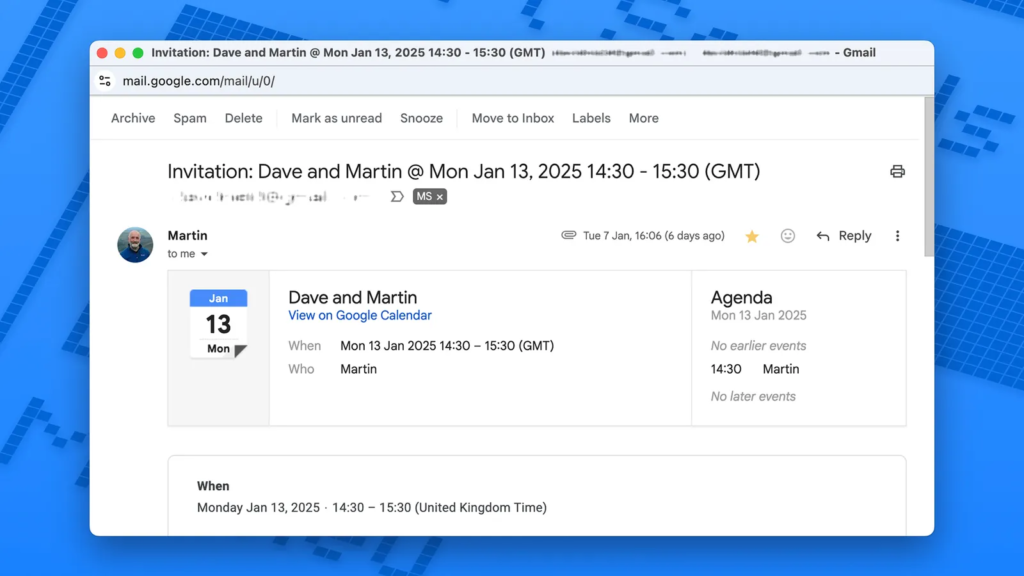
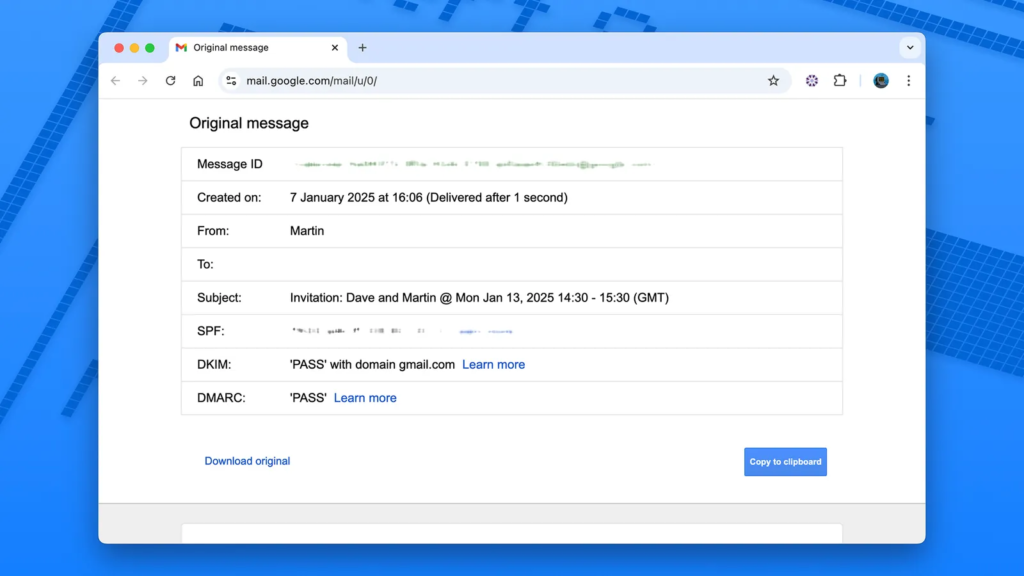
  • Legitimate Google invites will come from calendar-notification@google.com.

2. Avoid Clicking on Suspicious Links

  • If an event description contains unusual links, DO NOT CLICK.
  • Instead, hover over the link to preview the actual URL.

3. Turn Off Automatic Event Additions

By default, Google Calendar automatically adds invitations to your schedule—even from unknown senders. To prevent this:

  1. Open Google Calendar on your computer.
  2. Click on the gear icon (⚙️) in the top right and select Settings.
  3. Scroll to Event settings and find “Automatically add invitations.”
  4. Change it to “No, only show invitations to which I have responded.”

4. Enable Two-Factor Authentication (2FA)

  • Activating 2FA for your Google account adds an extra layer of security against unauthorized logins.
  • Go to Google Account > Security > 2-Step Verification and follow the setup instructions.

5. Regularly Review Connected Apps & Permissions

  1. Visit Google Security Checkup.
  2. Under “Third-party apps with account access”, revoke access to any unknown or suspicious apps.

6. Report & Delete Suspicious Invites

  • If you receive a spam calendar event, delete it immediately.
  • Click on the event > More actions > Report as spam.

7. Keep Google Calendar & Browser Updated

  • Google frequently releases security updates to patch vulnerabilities.
  • Make sure your browser (Chrome, Firefox, Edge) and Google Calendar app are always up to date.

What Google Is Doing to Improve Security

Google is aware of calendar-based phishing and malware attacks and has taken steps to strengthen security:
Enhanced spam filtering for Google Calendar invites.
Regular updates to patch security flaws.
Warning messages for suspicious events.

Despite these improvements, users must stay vigilant and take personal security precautions.

Final Thoughts: Stay Alert, Stay Safe

While Google Calendar is a powerful productivity tool, it’s important to recognize its potential security risks. Hackers are becoming more sophisticated, and malicious calendar invites are on the rise.

By following the best practices outlined in this guide—verifying event sources, disabling automatic event additions, enabling 2FA, and keeping your software updated—you can protect yourself from Google Calendar malware attacks.

Pro Tip: If something feels off about a calendar event, delete it immediately and report it to Google. Better safe than sorry!

Also Read: Google Unveils Car-Ready Apps Program in Android Auto 13.8 Update

Instagram Introduces DM Scheduling: A Game-Changer for Messaging

Instagram has rolled out a highly anticipated feature that allows users to schedule direct messages (DMs) in advance. This update is designed to enhance the messaging experience by enabling users to send messages at the most convenient time—without worrying about interrupting their friends or missing important moments.

Alongside this new feature, Instagram has also introduced QR code chat invitations, message pinning, and in-chat translation, making DMs more functional and user-friendly. Let’s explore how these updates improve communication and engagement on the platform.

Instagram’s New DM Scheduling Feature: How It Works

The DM scheduling feature allows users to write a message and select a future date and time for it to be sent automatically. This is particularly useful for:

  • Sending birthday wishes or reminders without forgetting.
  • Coordinating messages across different time zones.
  • Avoiding interruptions when a recipient might be busy.

How to Schedule a DM on Instagram

  1. Open Instagram DMs and type your message.
  2. Hold down the send button until the scheduling option appears.
  3. Select a date and time to send the message.
  4. Confirm the scheduled message, which will appear in the chat with an option to edit or cancel it.

Key Features of Instagram DM Scheduling

Messages can be scheduled up to 29 days in advance.
Text-only messages can be scheduled (images and videos are not supported yet).
Users can schedule messages to themselves as reminders.
The feature is built directly into Instagram’s messaging interface for easy access.

Other New Instagram DM Features

1. QR Code Chat Invitations

  • Users can generate a QR code to invite others to a chat instantly.
  • Makes it easier to start group discussions without sharing usernames.

2. Message Pinning

  • Users can pin important messages to the top of a chat for quick reference.
  • Useful for saving key details like addresses, plans, or reminders.

3. In-Chat Language Translation

  • Allows users to translate messages directly within a DM conversation.
  • Enhances global communication and removes language barriers.

Why Instagram’s DM Updates Matter

1. Better Communication Across Time Zones

  • Scheduling ensures that messages reach recipients at appropriate times, especially for users with friends and family abroad.

2. More Organized Messaging

  • Message pinning and scheduled messages help keep conversations structured and accessible.

3. Greater User Control and Privacy

  • With the ability to schedule messages, users no longer need to send messages immediately and risk disturbing someone.

Potential Limitations and Future Improvements

Current Limitations

  • DM scheduling is only available for text messages (no support for media yet).
  • Users cannot edit scheduled messages after setting them (only cancel and resend).
  • Feature rollout may be gradual, so not all users have access immediately.

Expected Future Updates

  • Adding support for images, videos, and voice messages in scheduled DMs.
  • More advanced scheduling options, such as recurring messages for reminders.
  • Integration with Instagram Stories or Notes for scheduled social interactions.

Final Thoughts

Instagram’s new DM scheduling feature is a welcome addition, offering users more control over their conversations and making it easier to communicate without interruptions. Alongside QR code invites, pinned messages, and in-chat translations, Instagram is clearly focusing on enhancing its messaging capabilities.

With more updates expected in the future, these features could transform how users interact and engage on Instagram, making the platform a more efficient and user-friendly communication tool.

Also Read: How to Stop Instagram and Facebook from Tracking Your Internet Activity


Frequently Asked Questions (FAQs)

1. How do I schedule a message on Instagram?

Hold down the send button in a DM, select a date and time, and confirm the scheduled message.

2. Can I edit a scheduled message?

No, but you can delete and resend a new scheduled message.

3. Can I schedule DMs with images or videos?

Currently, only text messages can be scheduled.

4. How far in advance can I schedule a message?

You can schedule a message up to 29 days ahead.

5. Is DM scheduling available to all users?

Instagram is gradually rolling out this feature, so availability may vary.