Google Tests Ads in AI Mode: A New Era of Conversational Advertising?

Google is exploring ways to integrate advertisements into AI Mode, its newly launched conversational search experience. This move is part of Google’s ongoing effort to monetize AI-driven search while refining its approach based on insights from AI Overviews ads—a feature that places sponsored results beneath AI-generated summaries.

While AI-powered search offers users more interactive and detailed responses, advertisers remain skeptical about its potential impact on ad performance. This article explores Google’s plans, industry reactions, and what advertisers need to consider in this evolving digital landscape.

Google’s AI Mode: What is Changing?

Google’s AI Mode is an advanced search feature that executes multiple searches simultaneously to generate detailed, conversational responses. Now, Google has confirmed that it will experiment with ads within this AI-powered experience.

How Ads in AI Mode Might Work

While ads are not yet fully implemented, Google’s strategy is expected to follow the model of AI Overviews ads, which:

  • Appear beneath AI-generated responses under a clearly marked “Sponsored” section.
  • Use existing Search and Shopping campaigns to match relevant queries.
  • Display links to relevant products or services based on user intent.
  • Are currently limited to U.S. mobile users, with plans for gradual expansion.

By leveraging data from AI Overviews, Google aims to refine how advertising fits into a conversational search experience without disrupting user engagement.

Advertiser Concerns: Is AI Mode Advertising Effective?

1. Lower Click-Through Rates (CTR)

Industry experts worry that AI Mode could reduce user clicks on ads. Since the goal of AI Mode is to deliver complete answers within the chat interface, users may have less motivation to click on external links, leading to lower CTR and engagement for advertisers.

2. Higher Costs Per Click (CPC)

With fewer clicks, Google may introduce premium pricing for AI Mode ads, making cost per click (CPC) higher. This could impact return on ad spend (ROAS), especially for advertisers who rely on lower-funnel conversions.

3. The Challenge of Capturing Attention

In a conversational interface, users are actively engaging with AI, meaning ads must be more creative and interactive to stand out. Traditional search ads might not be enough—advertisers may need to explore rich media formats, interactive elements, or AI-assisted ad placements to remain effective.

Melissa Mackey, Head of Paid Search at Compound Growth Marketing, noted that while AI Overview ads seem compelling, AI Mode ads “could feel more intrusive”, making it harder to pull users away from the chat.

What This Means for Advertisers

1. Ad Strategy Adjustments

  • Advertisers will need to test AI Mode campaigns carefully to understand performance trends.
  • New ad formats may be required to increase engagement within the conversational interface.

2. Expect Gradual Implementation

  • Google has not provided clear timelines for when AI Mode ads will fully launch.
  • The rollout may be highly targeted and phased, meaning initial performance data could vary.

3. Monitoring AI Search Monetization Trends

  • Google continues to experiment with how AI and search advertising intersect.
  • AI Mode ads could evolve into a new standard for search marketing, or Google may pivot based on performance data.

Final Thoughts: A Turning Point for Search Advertising?

Google’s decision to integrate ads into AI Mode marks a significant shift in search advertising. While AI-driven search experiences could provide new opportunities for advertisers, they also present challenges related to visibility, engagement, and cost.

As this experiment unfolds, advertisers should:

  • Closely monitor AI Mode ad performance and adjust strategies accordingly.
  • Experiment with engaging, AI-friendly ad formats to remain competitive.
  • Prepare for potential increases in ad costs due to lower click-through rates.

While it remains unclear when and how AI Mode ads will be fully implemented, one thing is certain—Google is reshaping the future of digital advertising within AI-driven search experiences.

Also Read: Google Ads Tests ‘Advanced Plans’ for AI-Powered Budget Optimization


Frequently Asked Questions (FAQs)

1. What is Google’s AI Mode?

AI Mode is a conversational search feature that executes multiple searches at once, delivering detailed responses instead of just showing a list of links.

2. How will ads work in AI Mode?

Ads in AI Mode may appear beneath AI-generated responses under a “Sponsored” section, similar to ads in AI Overviews.

3. Will AI Mode ads have lower click-through rates?

Experts predict that CTR may decline since users can get their answers directly within the AI chat, reducing the need to click on external links.

4. Are AI Mode ads more expensive?

If click volume decreases, Google may introduce premium pricing for AI Mode ads, potentially increasing cost per click (CPC).

5. When will AI Mode ads be widely available?

Google has not announced a full rollout date, and initial ad placements are still in the testing phase.

Google Ads Tests ‘Advanced Plans’ for AI-Powered Budget Optimization

Google Ads continues to refine its advertising tools, aiming to streamline campaign management and budget allocation. The latest addition to its Reach Planner tool is “Advanced Plans,” an AI-powered feature designed to help advertisers optimize ad spend and maximize conversions.

This new feature was first spotted by digital marketing expert Brent Neale, and it is currently in the testing phase. If fully implemented, Advanced Plans could revolutionize how advertisers plan their ad campaigns by providing automated budget recommendations and optimized ad type combinations.

What Is the ‘Advanced Plans’ Feature?

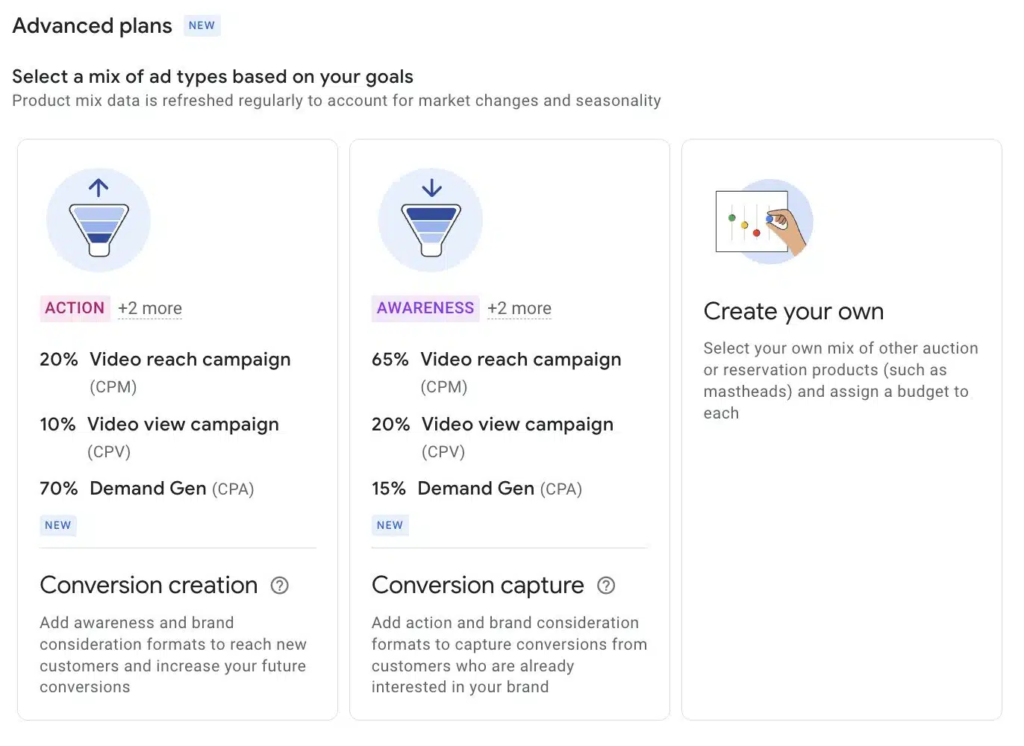
The Advanced Plans feature in Google Ads’ Reach Planner tool aims to enhance budget allocation strategies by leveraging machine learning. It generates customized ad type combinations based on an advertiser’s goals, ensuring an optimal mix of formats for conversion creation and capture.

How It Works

  • Smart Recommendations: The tool analyzes an advertiser’s objectives and recommends the most effective mix of ad types.
  • Optimized Budget Allocation: It suggests where to allocate budgets to maximize conversions and reach.
  • AI-Driven Efficiency: By integrating AI, the feature aims to remove guesswork from budget planning and campaign structuring.

Why This Matters for Advertisers

The Advanced Plans feature could be a game-changer for advertisers looking to improve budget efficiency. Some of the key benefits include:

  1. Better ROI on Ad Spend
    • By recommending the best ad type and budget mix, this tool ensures advertisers get maximum value from their budget.
  2. Time-Saving Campaign Planning
    • Instead of manually testing different budget allocations, advertisers can rely on Google’s AI to automate the process.
  3. Data-Driven Decision Making
    • Machine learning provides real-time insights, making it easier to refine campaigns for higher conversion rates.
  4. Alignment with Google’s Automation Goals
    • The move aligns with Google’s broader strategy of simplifying ad campaign planning through AI-driven automation.

Google’s Push Toward AI-Driven Advertising

Google has been progressively integrating AI into its advertising ecosystem to enhance performance and ease of use. The Advanced Plans feature follows similar AI-powered tools, such as:

  • Performance Max Campaigns – which automate ad placements across multiple Google properties.
  • Smart Bidding – which optimizes bids in real time for better conversion rates.

By testing Advanced Plans, Google is strengthening its efforts to make ad management more automated, predictive, and efficient.

What’s Next?

Since Advanced Plans is still in testing, Google may refine it further based on advertiser feedback. If successful, the tool will likely be rolled out to a wider audience in the coming months.

Key Takeaways

  • Google Ads’ Advanced Plans is an AI-powered budget optimization feature in the Reach Planner tool.
  • It suggests ad type combinations and budget allocations to maximize conversions.
  • This aligns with Google’s broader push toward AI-driven automation in advertising.
  • If fully launched, it could streamline campaign planning and improve ad performance for advertisers.

Final Thoughts

Google’s ongoing advancements in AI-powered advertising tools suggest a shift toward fully automated campaign management. With Advanced Plans, advertisers can expect smarter recommendations, better ROI, and less manual effort in budget planning.

As this feature undergoes further testing, marketers should stay updated on its rollout and experiment with AI-driven campaign strategies to stay ahead in the digital advertising landscape.

Would you use Google’s Advanced Plans for your next campaign? Let us know your thoughts! 

Also Read: Google Updates Crypto Ad Policy in UAE – What It Means for You

Google’s New Search Policies Shake Up Digital Publishing in 2025

The digital publishing landscape is undergoing a seismic shift as Google enforces stricter search policies, significantly impacting publishers worldwide. The latest changes, which target sponsored content, product reviews, and coupon-based pages, threaten the ad-driven revenue model that many publishers rely on. As search visibility declines, media houses must rethink their strategies to survive in this evolving ecosystem.

Google’s New Search Policy: A Game Changer

In March 2024, Google introduced the Core Update and New Spam Policies, marking one of the most extensive updates in its history. This policy change directly affects:

  • Sponsored Content & Product Reviews: Pages that include paid promotions are no longer indexed for SEO rankings.
  • Coupon-Based Pages: Google has cracked down on affiliate businesses that distribute discount coupons to manipulate search rankings.
  • Focus on User-Centric Content: Google’s emphasis is now on ranking content that provides genuine value rather than content optimized purely for search engines.

The Impact on Digital Publishers

Prominent global media houses such as Forbes, CNN, and The Wall Street Journal have seen a significant drop in search traffic due to these updates. Indian publishers, too, have been hit hard, with reports suggesting a 25-30% decline in traffic over the past six months.

According to Sistrix, a search analytics firm, the global loss in traffic value is estimated at $7.5 million, posing a serious financial threat to news publishers that heavily rely on digital ad revenue.

Why Google Enforced These Restrictions

Google’s move is intended to curb spam and improve search result quality. The search giant aims to promote user-centric content and reduce low-value content that prioritizes ranking over reader engagement. The official Google blog states:

“The March 2024 core update is a more complex update than our usual core updates, involving changes to multiple core systems. It marks an evolution in how we identify the helpfulness of content.”

While these updates aim to improve user experience, they have also made it harder for publishers to maintain their search visibility and ad revenue.

The Double Blow: AI-Powered Search & Ad Revenue Decline

Apart from Google’s policy changes, AI-powered search results are further reducing traffic to news websites. According to a WARC report, 58.5% of U.S. Google searches result in no clicks, meaning users are increasingly consuming information directly on the search engine rather than visiting publisher sites.

Additionally, Cost Per Mille (CPM) rates, which determine advertising revenue, have dropped dramatically over the years. In India:

  • 2000: CPM rates ranged from ₹250 to ₹1,000.
  • 2025: CPM rates have plummeted to ₹50 to ₹150, significantly reducing ad revenue potential.

Declining Click-Through Rates (CTR)

Another major challenge is the drop in Click-Through Rates (CTR). In the early days of online advertising, CTRs were as high as 40%, but today, even a 0.3% CTR is considered acceptable. This decline is attributed to:

  • Ad Fatigue: Users have grown desensitized to banner and pop-up ads.
  • Increased Competition: The rise of social media and content platforms has fragmented user attention.
  • Algorithmic Changes: Google’s updates prioritize high-quality content, making it harder for publishers to attract clicks through traditional advertising.

Alternative Revenue Models for Digital Publishers

With declining ad revenue and traffic, publishers must diversify their income streams. Some emerging monetization strategies include:

1. Subscription-Based Models

Many leading news organizations are moving toward paywalls and premium memberships. Examples include:

  • The New York Times: Offers digital subscriptions with exclusive content.
  • The Hindu: Launched a digital-only subscription model.

2. Event Hosting & Sponsored Webinars

Hosting live events and industry webinars can generate revenue through sponsorships and ticket sales. The Economic Times and India Today have successfully implemented this model.

3. Branded Content & Native Advertising

Rather than traditional ads, many publishers are investing in sponsored content that blends seamlessly with editorial material. These are non-intrusive and often provide better engagement.

4. Data Licensing

Publishers can monetize audience insights by offering anonymized datasets to advertisers and marketers. Business Standard and Financial Express have begun exploring this avenue.

The Road Ahead: What Publishers Must Do

With the Indian digital news market expected to reach 700 million users by 2026, there is still room for growth. However, to thrive in this new era, publishers must:

  • Prioritize High-Quality, User-Focused Content: Creating genuinely helpful and informative content will improve organic rankings.
  • Leverage AI for Personalized User Experience: Implementing AI-driven content recommendations can help retain readers.
  • Invest in Multi-Platform Distribution: Engaging audiences across social media, newsletters, and apps will reduce dependence on Google search traffic.
  • Collaborate with Google & Tech Firms: Google’s GNI Indian Languages Program has helped over 500 publishers increase page views by 32% and digital ad revenue by 39%. Participating in such initiatives can provide crucial support.

Conclusion

Google’s tightening of search policies represents a major challenge for digital publishers, but it also signals an industry shift toward authentic, user-driven content. While the decline in SEO traffic and ad revenue is concerning, adaptive publishers that embrace innovation and diversify their revenue streams will emerge stronger.

The future of digital publishing lies in balancing SEO strategies with audience engagement, leveraging new technologies, and creating meaningful content that resonates with users. By doing so, publishers can navigate these turbulent times and secure long-term sustainability in the ever-evolving digital ecosystem.

Also Read: Google’s New Family Link Updates: Helping Kids Stay Focused

Google Enhances Transparency in Child & Teen Ad Policies

In a significant update to its advertising guidelines, Google has revised its policies concerning ads targeted at children and teens. Announced in January 2025, these changes aim to improve transparency, consolidate existing guidelines, and make it easier for advertisers to understand how Google protects minors. While the updates provide greater clarity, they do not involve any changes to policy enforcement.

Why the Update?

Google’s initiative centers on ensuring advertisers can easily navigate the protections in place for minors. These updates aim to:

  • Enhance transparency about Google’s ad-serving practices for children and teens.
  • Help advertisers understand the impact of these protections on their campaigns.
  • Consolidate multiple policies into a single, user-friendly document for ease of reference.

Google emphasized, “These updates are to help advertisers find and understand the protections we’ve implemented to protect minors and the impact these protections may have on ad serving.” For more details, you can read Google’s official announcement.

What’s New in the Policy Update?

1. Unified Documentation

Google has combined several related documents into a single resource called the Ad Protections for Children and Teens Policy Hub. This consolidated policy hub includes:

2. No Changes to Enforcement

Google clarified that while the policies are now more streamlined and accessible, there are no new enforcement measures or penalties. Existing protections remain intact, ensuring continuity for advertisers.

Why This Matters

1. Greater Clarity for Advertisers

Navigating ad policies can be complex, especially when targeting sensitive demographics like children and teens. The new policy hub simplifies this process by centralizing all relevant guidelines in one place.

2. Reinforcing Trust in Digital Advertising

By prioritizing transparency, Google strengthens trust among advertisers, parents, and regulators. These updates reaffirm Google’s commitment to protecting younger audiences from inappropriate or invasive advertising practices.

3. Support for Content Creators

Content creators working on platforms like YouTube Kids benefit from clearer ad-serving guidelines. This ensures they can monetize their content responsibly while adhering to regulations.

Ad Protections in Action

Google’s policies already enforce stringent measures to safeguard minors:

  • Age-Appropriate Ads: Ads targeted at children must align with their developmental stage and exclude sensitive content.
  • Data Privacy: Minors’ data cannot be used for targeted advertising. Learn more about data privacy laws at ICO.
  • Restricted Categories: Certain ad categories, such as alcohol or gambling, are strictly prohibited for minors.

The updated documentation makes it easier for advertisers to understand how these measures are implemented and how they affect campaign performance.

Implications for Advertisers

Advertisers targeting young audiences need to:

  • Familiarize themselves with the new Ad Protections for Children and Teens Policy Hub.
  • Review their campaigns to ensure compliance with existing policies.
  • Stay informed about how these protections might influence ad-serving dynamics, particularly on platforms like YouTube Kids.

Conclusion: A Step Forward in Responsible Advertising

Google’s updated child and teen ad policies reflect its ongoing commitment to creating a safer digital ecosystem. By consolidating guidelines and increasing transparency, the company empowers advertisers to align their campaigns with ethical standards while maintaining effective ad strategies.

As digital advertising continues to evolve, clear and accessible policies like these set a benchmark for responsible practices, ensuring that the youngest members of the online community are protected. For more insights, visit Google Ads Help.

Whether you’re an advertiser or a content creator, these updates underscore the importance of prioritizing trust, transparency, and safety in the digital space.

Also Read: Google Ads Tests New Chat Button in Advertiser Console

Google Ads Tests New Chat Button in Advertiser Console

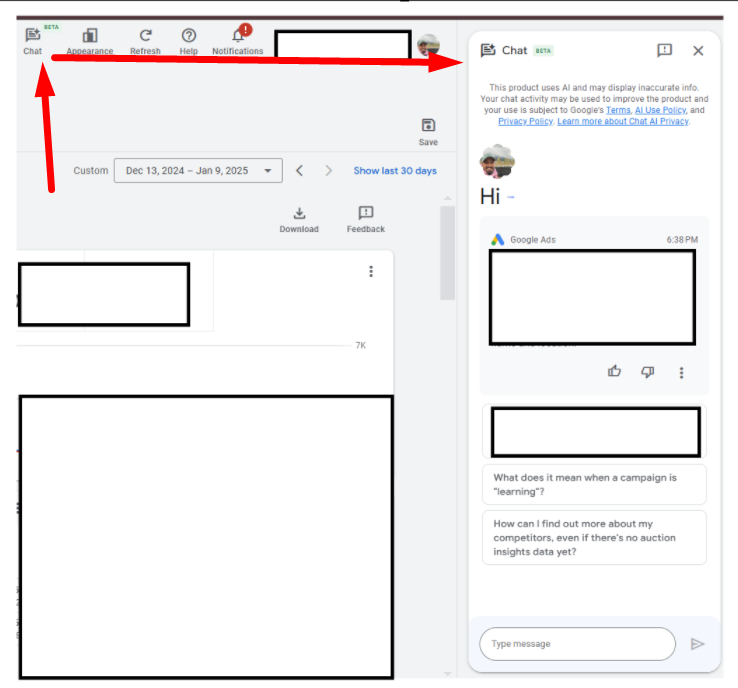
Google is experimenting with a new feature in its Ads platform by introducing a dedicated “Chat” button in the top navigation bar of the advertiser console. This addition aims to make support and query resolution more accessible to advertisers. The “Chat” button, labeled with a “beta” tag, is currently being tested, allowing users to interact with Google’s AI-powered support system directly from their dashboard.

What is the Chat Button?

The new chat button, located at the top-right corner of the Google Ads dashboard, offers advertisers a convenient way to ask questions and receive assistance. This feature leverages artificial intelligence to provide instant, relevant responses to queries about Google Ads campaigns, account management, and more.

Key Features

  1. Quick Accessibility
    • The button’s prominent placement in the top navigation ensures that users can easily find and access it without navigating through multiple menus.
  2. AI-Powered Support
    • The chat system uses AI to handle queries efficiently, offering solutions to common issues and answering frequently asked questions.
  3. Beta Testing
    • Currently in the testing phase, the feature is being evaluated to refine its performance and ensure it meets user needs effectively

How It Works

When users click the “Chat” button, they are directed to a sleek, easy-to-use interface that allows them to input their questions. The AI provides instant responses based on the user’s query.

Potential Use Cases

  • Campaign Assistance: Help with setting up, managing, or troubleshooting ad campaigns.
  • Performance Insights: Instant advice on optimizing campaigns for better results.
  • Technical Support: Guidance on navigating the Google Ads platform or addressing account issues.

Why This Update Matters

1. Enhanced User Experience

By placing the chat button in a more visible location, Google aims to improve the user experience for advertisers, making support more accessible and reducing time spent searching for help.

2. Empowering Advertisers

The integration of AI support directly into the advertiser console provides immediate, actionable insights, helping advertisers make informed decisions quickly.

3. Building on Past Features

This update builds on similar chat features introduced in October 2024, streamlining the way advertisers interact with Google’s support tools.

Community Feedback and Reception

Arpan Banerjee, an industry professional, was among the first to spot this update and shared his findings on social media platform X. His post, accompanied by screenshots, has sparked discussions among advertisers about the potential benefits of this feature.

Advertiser Reactions

  • Positive: Many users appreciate the improved accessibility and see it as a step forward in simplifying campaign management.
  • Concerns: Some advertisers are cautious about relying entirely on AI for complex issues, emphasizing the importance of retaining human support options.

What’s Next?

Google is expected to analyze feedback from the beta testing phase to refine the chat functionality further. While no official timeline has been announced for a full rollout, this feature could become a permanent addition if it proves valuable to advertisers.

Conclusion: A Smart Move for Advertiser Support

Google’s decision to test a dedicated chat button in the Ads console reflects its commitment to enhancing advertiser experience. By integrating AI-powered support into a highly accessible location, Google simplifies the way advertisers seek help, boosting efficiency and satisfaction.

As digital marketing continues to evolve, tools like this highlight the importance of combining convenience with cutting-edge technology to empower users. Advertisers should stay tuned for updates as this feature moves closer to a potential full launch.

Also Read: Google Ads Tests New Chat Button in Advertiser Console

Google to Update Advertising Policies on January 15 to Combat Financial Scams

Google has announced a significant update to its advertising policies, effective January 15, 2025, aimed at enhancing user protection against financial scams. This move primarily targets irregularities in cryptocurrency promotions and aligns with the UK’s stringent regulations on digital advertising. By implementing these changes, Google seeks to address growing concerns about deceptive financial practices and ensure a safer online ecosystem for its users.

Addressing Cryptocurrency Advertising Irregularities

Cryptocurrency-related scams have become a growing concern worldwide, particularly in the UK. Google’s updated policies specifically target this issue by implementing stricter guidelines.

Key Changes in Cryptocurrency Ads

  • Promotions for Hardware Wallets: Advertisements for hardware wallets designed to store private keys for cryptocurrencies, including NFTs, will still be permitted. These wallets are considered a secure way to manage digital assets and align with consumer protection goals.
  • Ban on Crypto Services: Ads for services involving the buying, selling, exchanging, or trading of cryptocurrencies will no longer be allowed. This step aims to reduce exposure to high-risk financial activities often associated with scams.

By focusing on these areas, Google hopes to curb deceptive promotions that have misled consumers in the past, particularly those unfamiliar with the complexities of cryptocurrency markets.

Enforcement and Grace Period

Google’s enforcement strategy ensures a fair but firm implementation of these policies. Advertisers will have a structured path to compliance:

  1. Notification for Violations: Advertisers found in violation of the new policies will initially receive a notification outlining the specific issues.
  2. Seven-Day Grace Period: Non-compliant advertisers will have seven days to register with the UK Financial Conduct Authority (FCA) or rectify any other issues.
  3. Account Suspension: Accounts failing to meet compliance requirements within the grace period will face suspension, effectively barring them from advertising on Google’s platform.

This phased approach balances the need for user protection with an opportunity for businesses to adapt to the new rules.

Context: The UK’s Regulatory Landscape

The UK has been at the forefront of regulating cryptocurrency and financial advertisements to protect investors from fraud and misinformation. Google’s policy update is a direct response to these regulatory efforts.

Key UK Regulatory Measures

  1. Approval of Crypto Advertisements (2023): In June 2023, the FCA allowed crypto advertisements but mandated clear warnings about risks and false promises. This initiative sought to prevent misleading promotions while allowing legitimate businesses to operate.
  2. Restrictions on Referral Bonuses: The FCA urged crypto platforms to avoid incentivizing users through referral bonuses, which were often exploited by fraudulent schemes.
  3. Focus on Consumer Education: UK authorities have emphasized the importance of transparency and clear communication in financial promotions, ensuring consumers understand the risks involved.

These measures have set a global standard for regulating digital advertising in the financial sector, influencing companies like Google to align their policies accordingly.

Broader Implications for Google and Advertisers

This policy update reflects Google’s commitment to maintaining a secure and trustworthy advertising ecosystem. However, it also introduces challenges and opportunities for advertisers, particularly in the financial and cryptocurrency sectors.

For Google

  • Strengthened Trust: By prioritizing user safety, Google reinforces its reputation as a responsible platform for digital advertising.
  • Global Adaptation: While this update targets the UK, it may pave the way for similar changes in other regions as governments worldwide adopt stricter regulations on financial promotions.

For Advertisers

  • Compliance Requirements: Advertisers must stay updated on regulatory developments and ensure their practices align with both Google’s policies and regional laws.
  • Focus on Transparency: Clear and accurate messaging will be crucial to maintaining consumer trust and avoiding penalties.
  • Opportunities for Legitimate Businesses: By eliminating deceptive practices, the updated policies create a level playing field for credible advertisers to reach their audiences.

Google’s Broader Initiatives

In addition to combating financial scams, Google has taken steps to improve operational efficiency and adapt to a rapidly evolving digital landscape:

  • Reduction in Top Management: As part of an ongoing effort to streamline operations, Google recently reduced its managerial positions by 10%. This move aims to enhance decision-making and resource allocation.
  • Focus on Compliance and Innovation: Google continues to invest in initiatives that balance regulatory compliance with cutting-edge innovations, ensuring long-term sustainability.

The Bigger Picture: A Safer Digital Ecosystem

Google’s updated advertising policies represent more than just a compliance measure; they signal a broader commitment to creating a safer and more transparent online environment. By targeting high-risk areas like cryptocurrency promotions, the company is addressing one of the most pressing challenges in digital advertising.

Benefits for Users

  • Reduced Exposure to Scams: Stricter policies mean fewer opportunities for deceptive actors to exploit consumers.
  • Enhanced Trust in Advertising: Users can rely on Google’s platform to provide credible and trustworthy promotions.

Benefits for Advertisers

  • Clearer Guidelines: Legitimate businesses benefit from well-defined rules that foster a competitive yet fair marketplace.
  • Opportunities for Innovation: Advertisers can focus on developing creative and compliant campaigns that resonate with their audiences.

Conclusion

Google’s updated advertising policies mark a significant step toward combating financial scams and fostering a more secure online environment. By aligning with the UK’s FCA guidelines and addressing cryptocurrency-related irregularities, the company demonstrates its commitment to user safety and transparency. Advertisers must adapt proactively to these changes, ensuring compliance while leveraging opportunities to build trust and engagement with their audiences. As the digital landscape evolves, Google’s efforts set a precedent for balancing innovation with responsibility, paving the way for a safer and more trustworthy advertising ecosystem.

Also Read: Google’s Guide to Confirming Indexing Issues Due to JavaScript


FAQs

1. What is the focus of Google’s new advertising policies?

The updates aim to address financial scams, particularly in cryptocurrency promotions, by enforcing stricter compliance and transparency measures.

2. When do the new policies take effect?

The updated advertising policies will come into effect on January 15, 2025.

3. What happens to non-compliant advertisers?

Non-compliant advertisers will receive a notification and a seven-day grace period to rectify issues before their accounts are suspended.

4. What cryptocurrency advertisements will Google allow?

Google will permit advertisements for hardware wallets but prohibit those related to buying, selling, exchanging, or trading cryptocurrencies.

5. How does this align with the UK’s regulations?

The updates align with the UK Financial Conduct Authority’s efforts to regulate cryptocurrency advertisements and protect consumers from potential scams.

6. What are the broader implications of these changes?

The policy update reflects Google’s commitment to user safety and may influence similar regulations globally, ensuring a more secure digital advertising ecosystem.