Google Disables Earthquake Alerts in Brazil After Major False Alarm

What Happened?

Imagine waking up in the middle of the night to a loud earthquake warning on your phone—only to find out it was a mistake! That’s exactly what happened to people in São Paulo and Rio de Janeiro last week. Google’s Android Earthquake Alerts system accidentally sent out false warnings about a 5.5 magnitude earthquake that never actually happened.

The system pointed to Ubatuba and Baixada Santista as the earthquake’s location, but officials quickly confirmed there was no real quake. Naturally, people were confused and a bit freaked out!

Why Did This Happen?

Google later admitted that their system misinterpreted some offshore activity near São Paulo and mistakenly triggered the warnings. The alerts were completely wrong, and Google apologized for the mess-up.

How Does Google’s Earthquake Alert System Work?

In case you’re wondering, Google’s Android Earthquake Alerts system is pretty smart. It uses motion sensors in Android phones to detect the tiny first tremors (P-waves) before a bigger earthquake happens. This system was designed to give people a few extra seconds to prepare before real shaking begins.

It started in the U.S. in 2020 and has since expanded to places like Greece and New Zealand. But this was the first major false alarm since launch.

What’s Next?

Because of this big mistake, Google has temporarily shut down earthquake alerts in Brazil. They’re now investigating what went wrong to prevent it from happening again.

While Google’s system has helped in real earthquakes before, this incident shows that even the most advanced technology isn’t perfect. We’ll have to wait and see how Google fixes this issue before the service returns.

💬 What do you think? Should we trust phone-based earthquake alerts? Let me know in the comments! 👇

Also Read: Google’s New Search Policies Shake Up Digital Publishing in 2025

Google’s New Search Policies Shake Up Digital Publishing in 2025

The digital publishing landscape is undergoing a seismic shift as Google enforces stricter search policies, significantly impacting publishers worldwide. The latest changes, which target sponsored content, product reviews, and coupon-based pages, threaten the ad-driven revenue model that many publishers rely on. As search visibility declines, media houses must rethink their strategies to survive in this evolving ecosystem.

Google’s New Search Policy: A Game Changer

In March 2024, Google introduced the Core Update and New Spam Policies, marking one of the most extensive updates in its history. This policy change directly affects:

  • Sponsored Content & Product Reviews: Pages that include paid promotions are no longer indexed for SEO rankings.
  • Coupon-Based Pages: Google has cracked down on affiliate businesses that distribute discount coupons to manipulate search rankings.
  • Focus on User-Centric Content: Google’s emphasis is now on ranking content that provides genuine value rather than content optimized purely for search engines.

The Impact on Digital Publishers

Prominent global media houses such as Forbes, CNN, and The Wall Street Journal have seen a significant drop in search traffic due to these updates. Indian publishers, too, have been hit hard, with reports suggesting a 25-30% decline in traffic over the past six months.

According to Sistrix, a search analytics firm, the global loss in traffic value is estimated at $7.5 million, posing a serious financial threat to news publishers that heavily rely on digital ad revenue.

Why Google Enforced These Restrictions

Google’s move is intended to curb spam and improve search result quality. The search giant aims to promote user-centric content and reduce low-value content that prioritizes ranking over reader engagement. The official Google blog states:

“The March 2024 core update is a more complex update than our usual core updates, involving changes to multiple core systems. It marks an evolution in how we identify the helpfulness of content.”

While these updates aim to improve user experience, they have also made it harder for publishers to maintain their search visibility and ad revenue.

The Double Blow: AI-Powered Search & Ad Revenue Decline

Apart from Google’s policy changes, AI-powered search results are further reducing traffic to news websites. According to a WARC report, 58.5% of U.S. Google searches result in no clicks, meaning users are increasingly consuming information directly on the search engine rather than visiting publisher sites.

Additionally, Cost Per Mille (CPM) rates, which determine advertising revenue, have dropped dramatically over the years. In India:

  • 2000: CPM rates ranged from ₹250 to ₹1,000.
  • 2025: CPM rates have plummeted to ₹50 to ₹150, significantly reducing ad revenue potential.

Declining Click-Through Rates (CTR)

Another major challenge is the drop in Click-Through Rates (CTR). In the early days of online advertising, CTRs were as high as 40%, but today, even a 0.3% CTR is considered acceptable. This decline is attributed to:

  • Ad Fatigue: Users have grown desensitized to banner and pop-up ads.
  • Increased Competition: The rise of social media and content platforms has fragmented user attention.
  • Algorithmic Changes: Google’s updates prioritize high-quality content, making it harder for publishers to attract clicks through traditional advertising.

Alternative Revenue Models for Digital Publishers

With declining ad revenue and traffic, publishers must diversify their income streams. Some emerging monetization strategies include:

1. Subscription-Based Models

Many leading news organizations are moving toward paywalls and premium memberships. Examples include:

  • The New York Times: Offers digital subscriptions with exclusive content.
  • The Hindu: Launched a digital-only subscription model.

2. Event Hosting & Sponsored Webinars

Hosting live events and industry webinars can generate revenue through sponsorships and ticket sales. The Economic Times and India Today have successfully implemented this model.

3. Branded Content & Native Advertising

Rather than traditional ads, many publishers are investing in sponsored content that blends seamlessly with editorial material. These are non-intrusive and often provide better engagement.

4. Data Licensing

Publishers can monetize audience insights by offering anonymized datasets to advertisers and marketers. Business Standard and Financial Express have begun exploring this avenue.

The Road Ahead: What Publishers Must Do

With the Indian digital news market expected to reach 700 million users by 2026, there is still room for growth. However, to thrive in this new era, publishers must:

  • Prioritize High-Quality, User-Focused Content: Creating genuinely helpful and informative content will improve organic rankings.
  • Leverage AI for Personalized User Experience: Implementing AI-driven content recommendations can help retain readers.
  • Invest in Multi-Platform Distribution: Engaging audiences across social media, newsletters, and apps will reduce dependence on Google search traffic.
  • Collaborate with Google & Tech Firms: Google’s GNI Indian Languages Program has helped over 500 publishers increase page views by 32% and digital ad revenue by 39%. Participating in such initiatives can provide crucial support.

Conclusion

Google’s tightening of search policies represents a major challenge for digital publishers, but it also signals an industry shift toward authentic, user-driven content. While the decline in SEO traffic and ad revenue is concerning, adaptive publishers that embrace innovation and diversify their revenue streams will emerge stronger.

The future of digital publishing lies in balancing SEO strategies with audience engagement, leveraging new technologies, and creating meaningful content that resonates with users. By doing so, publishers can navigate these turbulent times and secure long-term sustainability in the ever-evolving digital ecosystem.

Also Read: Google’s New Family Link Updates: Helping Kids Stay Focused

Google’s New Family Link Updates: Helping Kids Stay Focused

Google has made it easier for parents to manage their kids’ screen time and keep them safe online with new Family Link updates.

Kids love their phones and tablets. But too much screen time can be distracting. That’s where Google Family Link helps!

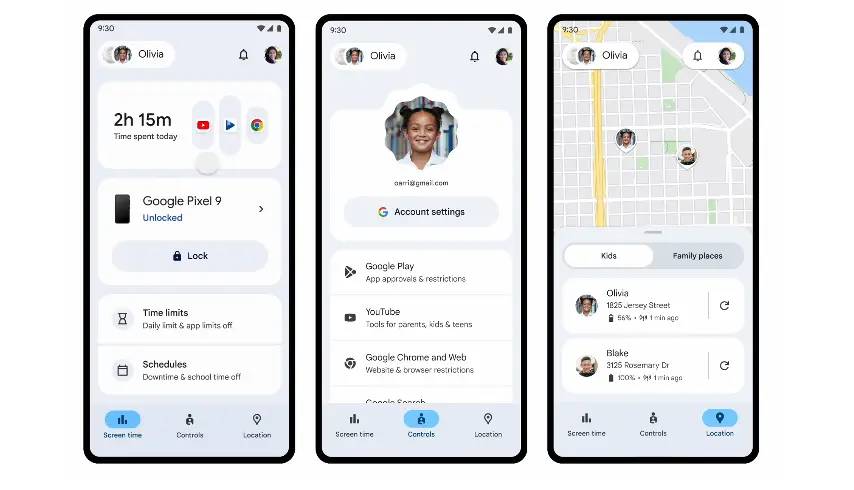
This app lets parents set screen time limits, block distractions, and make sure their kids use devices safely. With new updates, Family Link is now even simpler and more useful.

What’s New in Family Link?

1. Easier to Use with a New Design

Google has made Family Link more user-friendly with a new design.

  • New Screen Time Tab: Parents can now see all screen time settings in one place—daily usage, app limits, and downtime settings.
  • Quick Summaries: Parents can easily check how much time their child spends on each device and what apps they use.

2. School Time Now Works on More Devices

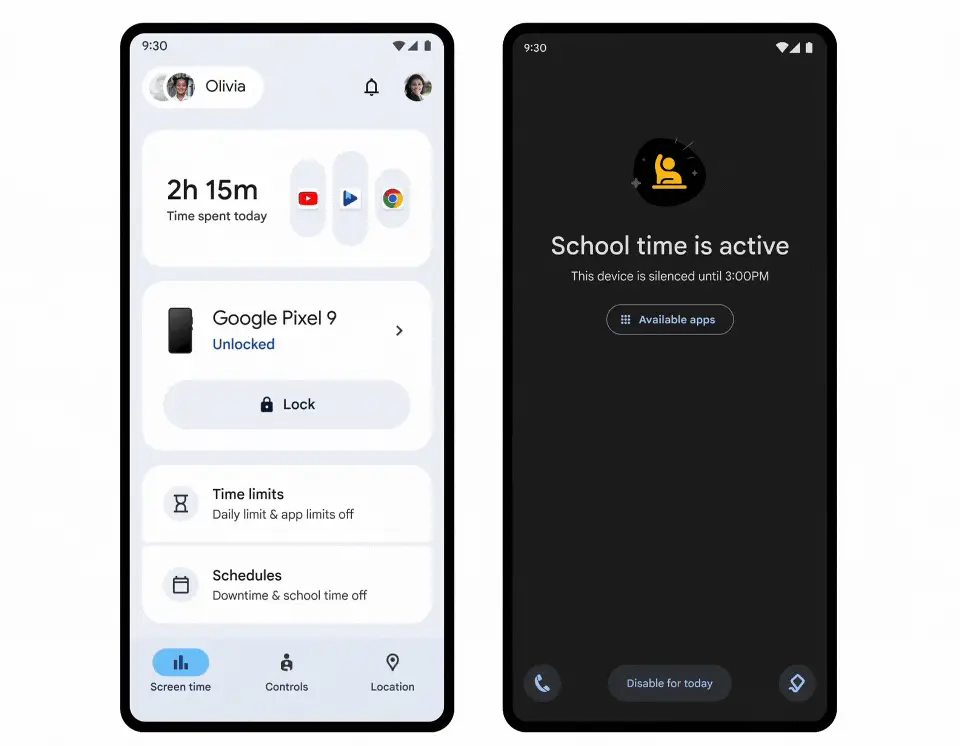
School Time helps parents block distracting apps and silence notifications during school hours. Before, it was only on Samsung Galaxy Watch for Kids, but now it works on Android phones and tablets too!

  • Parents can block apps like YouTube and games during school hours.
  • They can allow learning apps for schoolwork.
  • Pause Feature: If there’s a school holiday, parents can easily turn off School Time.

3. Parents Can Control Who Their Kids Contact

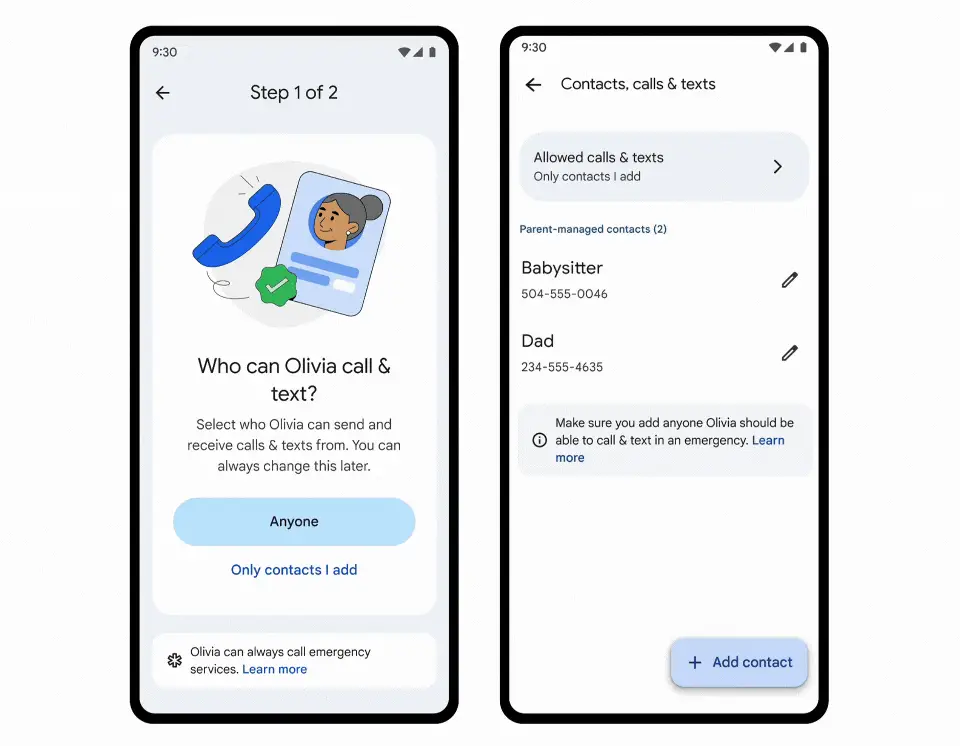
Worried about strangers calling or texting your child? Google’s new Approved Contacts feature helps parents manage who their kids talk to.

  • Parents can add trusted contacts like family and close friends.
  • Kids can request to add new contacts, but parents must approve them first.
  • Before, this was only on Samsung Galaxy Watch for Kids, but now it’s on all Android phones.

What is Google Family Link?

If you don’t know about Family Link, here’s a quick explanation. Google launched Family Link in 2019 to help parents control their child’s phone use. It does more than just limit screen time. It also helps parents:

  • Block inappropriate apps on Google Play Store.
  • See their child’s location using Google Maps.
  • Set rules for phone use and manage screen time easily.

A 2023 Google study found that parents worry about fake news and misleading ads targeting kids. With these updates, Google Family Link helps parents protect their children online.

Conclusion

Google’s Family Link updates are great for parents who want to help their kids stay focused and safe online.

With a better design, improved school-time settings, and contact control features, Family Link is an important tool for parents today.

So, if you’re a parent who wants to keep your child safe online and reduce distractions, these updates are worth checking out!

Also Read: Instagram’s Dislike Button for Comments Enters Testing: How It Works

What’s New in Android’s February 2025 Google System Update?

Android users, it’s that time again. Google has rolled out its latest system updates, packed with new features, bug fixes, and performance improvements across Android devices. These updates enhance the Play Store, Play Services, and system functionalities on phones, Wear OS, Google TV, Android Auto, and even PCs.

Not all features will be available immediately—some may take a little while to roll out. Let’s explore what’s new and how these updates improve your Android experience.

For official details, check Google’s release notes: Google’s Official Release Notes

Google Play Services v25.06 (Released on February 17, 2025)

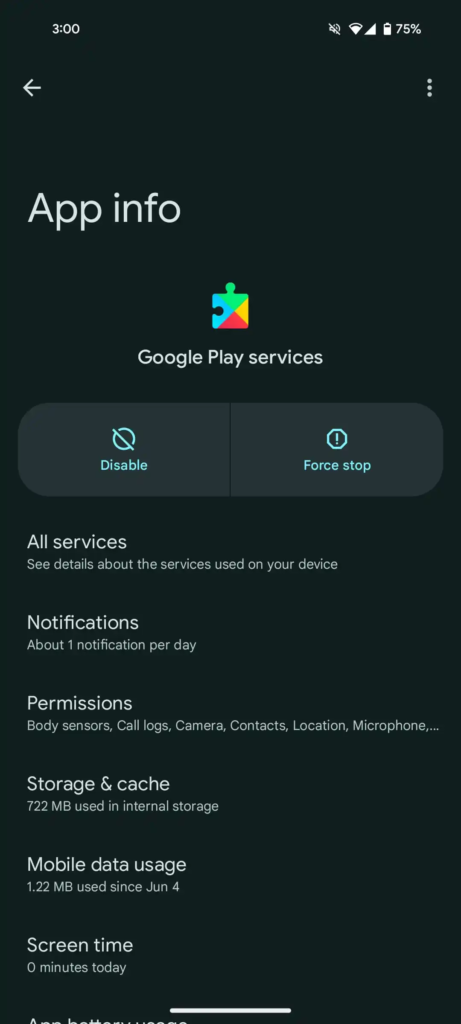
Google Play Services is the backbone of your Android device, keeping apps connected to essential services like Maps, Google Sign-In, and Wallet. Here’s what’s new:

  • Better Utilities for Developers – Google has added new tools that help apps run smoother and manage background tasks more efficiently.
  • Wallet Enhancements – Digital payments on both phones and Wear OS are now more seamless and secure.
  • Factory Reset Made Easier – If you ever need to wipe your device, the reset process is now more intuitive and user-friendly.

Keeping Google Play Services updated is crucial for smooth app performance and security.

Google Play Store v45.0 (Released on February 17, 2025)

Google is improving how you discover apps and navigate the Play Store:

  • Smarter Sponsored Search Suggestions – When you search for apps, sponsored suggestions now include descriptions to help you understand them before clicking.
  • Play Collections Made Simpler – Searching for “Collections” now shows curated app lists directly in your results, making it easier to find recommended apps.

Google Play Services v25.05 (Released on February 10, 2025)

This update improves device connectivity and file sharing:

  • Developer Tools for Connectivity – Google has introduced new features to help third-party developers integrate better connectivity processes into their apps.
  • Bug Fixes for Android Auto & Google TV – Your phone’s connection with Android Auto and Google TV should now be more stable and reliable.
  • Better Quick Share – The setup and onboarding for Quick Share have been improved, making it easier to share files quickly.

Google Play Store v44.9 (Released on February 10, 2025)

  • Collections Feature Expanded – Now available for Android 10-12 users in the US. You can also add a Play Store widget for quick access to Collections.
  • Watch Face Installation Made Easy – You can now install and set watch faces directly from your phone’s Play Store without touching your smartwatch.

Google Play Services v25.04 (Released on February 3, 2025)

Here are the key improvements in this update:

  • Easier Family Link Access – A new shortcut in Google Settings makes managing family groups more convenient.
  • AI & Machine Learning Boost – New developer tools improve AI-driven features, especially for Android Auto.
  • Stronger Device Connectivity – Google has fixed bugs across Auto, Phone, TV, and Wear OS to improve connection stability.
  • Better Quick Share Experience – If a Wi-Fi connection drops, file transfers will continue over mobile data.
  • Battery Life Optimization – System updates now help extend battery life on phones, Auto, TV, PCs, and Wear OS.
  • Enhanced Developer Utilities – New tools give developers more control over how apps use system resources.

Google Play Store v44.8 (Released on February 3, 2025)

  • Refreshed Play Games Profile UI – Setting up a Play Games profile is now smoother, with a better-designed interface.
  • Better App Quality on Tablets & ChromeOS – Google’s latest update ensures apps perform better on larger screens with Tablet pQuality version 3.

Conclusion

This month’s Android update is all about making devices more user-friendly, secure, and efficient. Whether it’s smoother connectivity, better app discovery, or improved file sharing, Google is refining the Android experience.

If you don’t see these updates yet, don’t worry—Google rolls them out in phases, so they may take a few weeks to reach everyone.

For the best experience, always keep your device updated.

Google Gemini and the AI Race: Transforming Advertising in 2025

As artificial intelligence continues to revolutionize industries, 2025 is shaping up to be a pivotal year for AI in advertising. Google Gemini, the tech giant’s ambitious AI platform, stands at the forefront of this transformation. Touted as a game-changer, Gemini is expected to redefine how advertisers approach digital marketing while competing fiercely with industry leaders like OpenAI, Meta, and Apple. With a renewed focus on innovation and execution, Google aims to reclaim its dominance in the AI landscape.

AI: A Seismic Shift in Advertising

According to Google’s VP of global search ads and commerce, Brendon Kraham, the ongoing AI revolution is poised to surpass even the mobile revolution in its impact. This transformation is driven by three major developments:

  1. Evolving Search Behavior: AI is shifting search behavior beyond traditional keywords to more multimodal experiences that integrate text, voice, and visuals seamlessly.
  2. AI-Powered Creative Tools: These tools enable marketers to produce dynamic and personalized content at scale, enhancing user engagement and campaign effectiveness.
  3. Enhanced Measurement Capabilities: AI is improving advertisers’ ability to track performance across multiple channels, providing deeper insights and optimizing ad spend.

These advancements underscore the profound changes AI is bringing to digital marketing, compelling advertisers to adapt or risk obsolescence.

Gemini: Google’s AI Crown Jewel

Sundar Pichai, Google’s CEO, has positioned Gemini as a cornerstone of the company’s strategy to lead in AI innovation. Designed to address growing competition and regulatory challenges, Gemini embodies Google’s vision of an AI-driven future where technology solves real-world problems and delivers unmatched value.

Core Features of Gemini

  1. Multimodal Integration: Gemini seamlessly processes text, images, and voice inputs, offering a more intuitive and dynamic user experience.
  2. Scalable AI Capabilities: Leveraging Google’s infrastructure, Gemini delivers AI solutions that are both powerful and accessible across devices and platforms.
  3. Privacy-Centric Design: Despite its advanced capabilities, Gemini adheres to stringent privacy standards, ensuring user trust and compliance with global regulations.
  4. Real-Time Adaptability: Gemini’s ability to adapt to real-time data allows businesses to fine-tune campaigns, providing hyper-relevant messaging to target audiences.

By scaling Gemini into a universal assistant, Google aims to provide tools that not only enhance productivity but also empower advertisers with cutting-edge solutions.

Transforming Google Ads

As part of its broader AI strategy, Google is enhancing its core advertising products to align with the capabilities of Gemini. These updates aim to optimize performance and provide advertisers with a competitive edge in the digital marketplace.

Key Updates

  1. Performance Max: An all-in-one campaign tool powered by AI, offering automated insights and recommendations to maximize ad reach and effectiveness.
  2. Demand Gen: Designed to help advertisers drive demand by targeting the right audiences with tailored messages.
  3. Enhanced Search Capabilities: AI-driven search tools that prioritize relevance and user intent, making it easier for advertisers to connect with their target audience.
  4. Dynamic Ad Customization: Using real-time data, Gemini enables the creation of personalized ads that adapt to user preferences and behavior.
  5. Cross-Platform Insights: Advertisers can now track and analyze campaign performance across devices, channels, and demographics, ensuring a holistic view of success metrics.

These improvements reflect Google’s commitment to creating a seamless and efficient advertising ecosystem.

The Competitive Landscape

Google’s Gemini is entering a crowded and competitive field. Key players like OpenAI, Meta, and Apple are also vying for dominance in the AI space, each bringing unique strengths and strategies.

OpenAI

  • Strengths: OpenAI’s ChatGPT is synonymous with generative AI, offering intuitive and accessible solutions for both consumers and businesses.
  • Challenges for Google: Gemini must overcome OpenAI’s strong brand association with AI innovation.
  • Opportunities for Gemini: Google’s ability to integrate Gemini across its vast ecosystem of products and services could provide a distinct edge over standalone AI solutions like ChatGPT.

Meta

  • Strengths: Meta’s investments in AI-powered devices and assistants are reshaping user experiences across its platforms.
  • Challenges for Meta: Meta’s sprawling ecosystem may dilute its focus, leaving gaps that a more unified strategy like Google’s could exploit.
  • Opportunities for Google: By focusing on a cohesive approach, Google can present Gemini as a more reliable and streamlined solution for businesses and users alike.

Apple

  • Strengths: Apple’s integration of AI into its ecosystem emphasizes user privacy and simplicity.
  • Threat to Google: Apple’s methodical approach and strong consumer loyalty could redefine expectations for AI, particularly in the consumer technology space.
  • Opportunities for Google: By emphasizing scalability and cross-platform functionality, Gemini can appeal to businesses seeking versatile AI solutions that extend beyond Apple’s walled garden.

The Future of Advertising

Google’s AI-driven transformation signals a fundamental shift in digital marketing. By leveraging Gemini and other AI tools, advertisers can:

  • Create Personalized Experiences: Tailor campaigns to individual preferences, enhancing user engagement and loyalty.
  • Optimize Across Channels: Utilize enhanced measurement capabilities to drive better results and maximize ROI.
  • Anticipate Consumer Trends: AI’s ability to analyze data at scale enables businesses to stay ahead of evolving consumer behaviors and preferences.
  • Reduce Operational Overheads: Automation through AI tools like Gemini streamlines campaign management, freeing up resources for strategic innovation.

However, mastering these tools requires experimentation and a willingness to embrace change. As Google’s Brendon Kraham notes, “It will be essential to keep testing how AI should work for your campaigns, even though you may initially see poor results.”

Conclusion

Google Gemini represents a bold step forward in the AI race, promising to redefine advertising and digital marketing in 2025. By focusing on innovation, scalability, and user-centric design, Google aims to set new standards for AI-driven solutions. While challenges from competitors like OpenAI, Meta, and Apple remain, Gemini’s integration with Google’s ecosystem positions it as a formidable contender. As AI continues to transform industries, the ability to adapt and harness its potential will determine the leaders of tomorrow.

By prioritizing accessibility, user privacy, and practical applications, Gemini is poised to not only keep pace with but potentially surpass its competitors. For businesses and advertisers, 2025 offers a unique opportunity to leverage these advancements and gain a competitive edge in a rapidly changing digital landscape.

Also Read: Google Enhances Transparency in Child & Teen Ad Policies


FAQs

1. What is Google Gemini? Google Gemini is an AI platform designed to deliver advanced, multimodal capabilities for users and businesses, positioning itself as a leader in generative AI.

2. How is AI transforming advertising in 2025? AI is reshaping advertising by enabling multimodal search, automating creative processes, and enhancing performance tracking across channels.

3. What challenges does Google face with Gemini? Google faces competition from established AI players like OpenAI and Meta, as well as the need to rebuild its reputation as a leader in innovation.

4. How can advertisers benefit from AI-powered tools? AI tools like Performance Max and Demand Gen help advertisers create personalized campaigns, optimize performance, and adapt to changing consumer behaviors.

5. Why is 2025 pivotal for AI and advertising? 2025 marks a critical year where AI adoption will drive transformative changes in advertising, requiring businesses to adapt quickly or risk falling behind.

6. What sets Gemini apart from its competitors? Gemini’s integration with Google’s extensive ecosystem, its emphasis on multimodal capabilities, and its privacy-first approach give it a unique position in the AI landscape.

Google Maps Removed from EU Search Results: What It Means for Users and Competitors

For years, Google Maps has been an indispensable tool for millions worldwide, seamlessly integrated into Google’s search results to provide instant access to directions, locations, and navigation services. However, recent changes mandated by the European Union (EU) have forced Google to remove its Maps functionality from search results, marking a significant shift in how users interact with the tech giant’s ecosystem.

The Role of the Digital Markets Act (DMA)

At the heart of this decision lies the Digital Markets Act (DMA), a groundbreaking regulation introduced by the EU to foster competition in the digital marketplace. The DMA aims to curb the dominance of major tech companies like Google by imposing new rules to promote user choice and reduce monopolistic practices.

Google’s seamless integration of services such as Maps, Calendar, and Docs within its search engine has long been criticized for stifling competition. By tightly linking these services, Google created an ecosystem where users rarely needed to explore alternatives. The DMA’s intervention targets this very strategy, starting with the decoupling of Google Maps from search results.

Changes in Google Maps Accessibility

Until recently, searching for a location on Google would display a Maps preview on the search results page, complete with a direct link for navigation. Additionally, the Maps tab, prominently positioned alongside Images and News, allowed users to quickly access Google Maps features. These functionalities have now been removed for EU users.

User Impact

The removal of these features has sparked frustration among users accustomed to the convenience of accessing Maps directly from search results. Instead of a couple of clicks to get directions, users must now navigate to the Google Maps website or app manually. While this may seem like a minor inconvenience, it represents a noticeable change for those who relied on the integration for its speed and ease of use.

For businesses, this change could lead to additional challenges. Companies that previously relied on Google Maps integration within their websites or advertisements may need to adjust their strategies to maintain visibility and ensure customers can access directions to their locations.

Balancing Convenience and Competition

The EU’s decision highlights the ongoing struggle to balance user convenience with fair competition. Google’s dominance in the search engine market, combined with its deep integration of navigation services, left little room for competitors to thrive. By embedding Maps directly into search results, Google effectively consolidated its hold on both the search and mapping markets.

The Competition Perspective

For competitors like HERE WeGo, OpenStreetMap, and TomTom, the DMA’s regulations present a rare opportunity to attract users. With Google Maps no longer automatically linked to search results, alternative navigation services may gain visibility and expand their user bases.

These competitors may now invest in innovative features, improved user interfaces, and marketing campaigns to capture the attention of users who are exploring alternatives.

Broader Implications for Tech Giants

The removal of Maps from Google’s search results is just one example of the DMA’s impact on major tech companies. Similar regulations are compelling other industry leaders, such as Apple, to open their ecosystems to alternative platforms.

Challenges for Google

For Google, compliance with the DMA poses significant challenges. The company must navigate these regulatory changes while striving to maintain user satisfaction. Additionally, the unraveling of its tightly integrated ecosystem may lead to further adjustments in how Google delivers its services.

Google may also face increased scrutiny in other regions, as regulatory bodies worldwide observe the EU’s actions and consider implementing similar measures.

Opportunities for Competitors

Competitors in various domains now have a chance to innovate and capture new audiences. The tech landscape is likely to see increased diversification as companies seek to fill the gaps left by Google’s regulatory adjustments. This could lead to a more dynamic market where smaller players are empowered to compete on equal footing.


The Future of Digital Navigation

These changes reflect a broader movement to reshape how tech companies operate, particularly in Europe. For consumers, the shift may require adapting to less integrated systems, but it also promises a more open and competitive digital environment. For Google, it serves as a reminder that even industry giants must evolve in response to regulatory scrutiny.

A New Digital Landscape

While the short-term inconvenience may frustrate users, the long-term effects could lead to a more diverse and innovative tech ecosystem. By breaking up monopolistic structures, the DMA aims to foster an environment where no single company dominates, ensuring that user choice and innovation thrive.

For users, this change highlights the importance of exploring and supporting alternative platforms to ensure a more balanced digital ecosystem. For companies, it’s a call to innovate, collaborate, and adapt to a rapidly evolving regulatory environment.

Also Read: 5 Best Sites to Buy Facebook Likes for Pages, Posts, and Photos in 2025


FAQs

1. Why did Google remove Maps from search results in the EU? Google complied with the EU’s Digital Markets Act, which requires tech companies to decouple integrated services to promote competition.

2. How does this affect users? Users in the EU can no longer access Maps previews or the Maps tab directly from search results. They must visit the Google Maps website or app instead.

3. What is the Digital Markets Act (DMA)? The DMA is an EU regulation designed to challenge the dominance of major tech companies and create a more competitive digital marketplace.

4. Will other tech companies be affected by similar regulations? Yes, other tech giants like Apple are also required to make changes, such as opening their App Store to alternative platforms.

5. Are there alternatives to Google Maps? Yes, alternatives like HERE WeGo, OpenStreetMap, and TomTom offer navigation services and may gain more visibility due to these changes.

6. What does this mean for businesses? Businesses that rely on Google Maps integration may need to adjust their strategies and direct customers to their locations using alternative methods.


Google Gemini Partners with The Associated Press to Offer Real-Time News Updates

Google is expanding the capabilities of its AI chatbot, Gemini, by integrating real-time news updates from The Associated Press (AP). This partnership marks a significant milestone for Google, as it is the first time the tech giant has entered into an AI news deal with a major publisher. By incorporating AP’s trusted journalism, Gemini aims to provide users with timely and accurate information directly within the chatbot, making it a one-stop platform for credible news updates.

A Game-Changing Collaboration

The partnership with The Associated Press, a globally renowned news agency, underscores Google’s commitment to enhancing the reliability and usefulness of its generative AI products. Kristin Heitmann, AP’s Chief Revenue Officer, expressed enthusiasm for the collaboration, stating, “We are pleased Google recognizes the value of AP’s journalism as well as our commitment to nonpartisan reporting in the development of its generative AI products.”

What This Means for Users

1. Access to Credible News

By leveraging AP’s trusted journalism, Gemini users can access real-time updates on global events without the need for additional fact-checking. This integration aims to address a common criticism of AI chatbots—providing information that may not always be accurate or up-to-date.

2. Enhanced User Experience

Previously, Gemini lacked the ability to deliver real-time news, limiting its utility for users seeking current events. With this update, the chatbot will offer more dynamic interactions, allowing users to quickly stay informed without navigating through multiple platforms.

3. Increased Trust in AI Chatbots

The inclusion of AP as a news source adds a layer of credibility to Gemini, making it more appealing to users who value accurate and nonpartisan reporting.

A Step Forward for Generative AI

Google’s collaboration with AP is part of a broader effort to refine the capabilities of its generative AI tools. For years, Google has worked with AP to integrate accurate information into its search engine. This partnership builds on that foundation, bringing the same level of accuracy to Gemini.

In its official blog post, Google stated, “The AP will now deliver a feed of real-time information to help further enhance the usefulness of results displayed in the Gemini app. This will be particularly helpful to our users looking for up-to-date information.”

The Impact on the News Ecosystem

1. Supporting Journalism

This partnership demonstrates Google’s recognition of the importance of credible journalism in the AI era. By working with established publishers like AP, Google is not only enhancing its products but also supporting the broader news ecosystem.

2. Shaping User Behavior

The integration of real-time news could attract more users to Gemini, positioning it as a reliable source for daily updates. This move may also encourage other AI developers to collaborate with reputable news organizations, further raising the bar for accuracy in AI-driven platforms.

Challenges and Future Potential

Despite the promise of this collaboration, there are a few challenges to consider:

  • Timelines: Google has yet to announce when AP’s news updates will be fully integrated into Gemini.
  • Expanding Partnerships: To meet diverse user needs, Gemini may need to partner with additional news outlets for broader coverage.

Looking ahead, this development could pave the way for similar integrations across other AI chatbots, setting a new standard for delivering accurate and real-time information.

Conclusion: A Step Toward Smarter, More Reliable AI

The integration of The Associated Press into Google Gemini represents a significant leap forward in the evolution of AI chatbots. By prioritizing credible and real-time news, Google is addressing user concerns about reliability while enhancing the functionality of its AI products.

As this update rolls out, Gemini is poised to become a go-to platform for users seeking trustworthy information in an increasingly digital world. With this partnership, Google reinforces the idea that AI can be both innovative and responsible, setting a new benchmark for the future of generative AI.

Also Read: Understanding the CMA’s Assessment of Google Search

Understanding the CMA’s Assessment of Google Search

On January 14, 2025, the Competition and Markets Authority (CMA) in the United Kingdom announced its plans to evaluate whether Google Search holds “Strategic Market Status” (SMS) under the newly implemented Digital Markets, Competition and Consumers regime. This assessment could lead to the introduction of new regulatory requirements for Google Search.

Here’s a closer look at what this means for Google, the UK economy, and consumers alike.

Why is Google Search Under Assessment?

The CMA’s assessment aims to determine whether Google’s dominance in the search engine market significantly impacts competition and consumer choice. The evaluation will explore how Google’s operations align with the UK’s goals for fair competition, innovation, and economic growth.

Key Points Driving the Assessment:

  • Market Influence: Google Search is a cornerstone of the digital economy, widely used by UK consumers and businesses.
  • Economic Contribution: In 2023, Google’s products, including Search, contributed an estimated £118 billion to the UK economy, supporting over a million businesses.
  • Export Facilitation: Google Search and Ads played a pivotal role in helping UK businesses export goods and services worth over £20 billion globally.

The Economic Importance of Search

Search engines like Google are integral to modern economies, especially in digitally advanced countries like the UK.

How Google Search Supports Growth:

  1. Empowering Businesses:
    Google Search enables millions of UK businesses to grow by increasing their visibility and connecting them with customers, both locally and internationally.
  2. Driving Innovation:
    Through tools like Google Ads, businesses can reach niche markets, test new products, and experiment with creative marketing strategies.
  3. Enhancing Consumer Choice:
    By delivering fast, relevant results, Google Search helps consumers make informed decisions on products, services, and more.

The Role of Regulations in Digital Markets

The CMA’s evaluation comes as part of a broader effort to create a regulatory framework that ensures fair competition in the digital space.

Proposed Outcomes of the Assessment:

  • Pro-Innovation Rules: A regulatory environment that fosters innovation could expand options for consumers, reduce costs, and unlock new opportunities for businesses.
  • Potential Risks of Over-Regulation: Overly rigid competition rules might limit flexibility, stifle innovation, and reduce consumer choice.

Google’s Commitment to Constructive Engagement

Google has expressed its willingness to work collaboratively with the CMA, emphasizing its commitment to aligning with evidence-based and growth-oriented regulatory goals.

Google’s Advocacy:

  • Balancing Trade-Offs: Google aims to highlight how its services benefit both consumers and businesses while addressing any potential concerns about market dominance.
  • Supporting Pro-Innovation Policies: The company underscores the importance of policies that encourage technological advancement and economic growth without restricting innovation.

Why This Matters for Consumers and Businesses

The outcome of the CMA’s assessment could shape the future of digital competition in the UK.

For Consumers:

  • A pro-innovation framework could lead to more choices and better services.
  • Over-regulation might reduce the availability of cutting-edge digital tools.

For Businesses:

  • Small and medium-sized enterprises (SMEs) could benefit from a fairer playing field.
  • Changes in Google’s practices could open doors for alternative platforms to compete.

Conclusion: Striking the Right Balance

The CMA’s review of Google Search represents an important step in defining the role of digital platforms in the UK’s economy. Striking the right balance between innovation and fair competition will be crucial for fostering a dynamic and inclusive digital landscape.

Google’s contributions to economic growth and its willingness to engage constructively highlight its pivotal role in this evolving narrative. Ultimately, a regulatory framework that promotes innovation and ensures fair competition will empower businesses, benefit consumers, and support the UK’s digital transformation goals.

As the CMA’s assessment unfolds, the focus will remain on achieving a balance that drives both economic growth and consumer satisfaction in an increasingly digital world.

Also Read: Google Lens Update: Launches Directly to Camera Viewfinder

Google Lens Update: Launches Directly to Camera Viewfinder

Google Lens has introduced a significant update designed to simplify and enhance its usability. Now, when you open Google Lens on Android or iOS, the app immediately launches the camera viewfinder instead of defaulting to the gallery view. This change streamlines the process for users who rely on Google Lens as a tool to interact with the real world through their smartphone camera.

What Has Changed?

1. Immediate Access to the Camera Viewfinder

Previously, launching Google Lens opened a gallery-focused interface, displaying your eight most recent screenshots and the entire camera roll for one-tap analysis. To access the camera, users had to swipe or tap to activate the viewfinder manually.

With the latest update, the camera viewfinder now launches automatically, making it easier to capture live images for analysis. This change aligns with Google’s growing focus on real-world search functionality through tools like Circle to Search (CtS).

2. Redesigned Interface for a Better Experience

Google has also made minor tweaks to the viewfinder interface:

  • The gallery preview now appears as a circular icon, replacing the previous rounded square design. Users can tap the icon or swipe up to access their image gallery for analysis.
  • The history button, introduced in 2024, remains in the top-right corner, allowing users to revisit previous visual searches easily.

Why This Change Matters

Google Lens is becoming an increasingly vital tool for integrating the digital and physical worlds. This update simplifies how users interact with Lens, reinforcing its position as Google’s primary resource for real-world visual search.

1. Enhanced Real-World Interactivity

By launching directly to the camera, Google Lens is better equipped to serve its purpose as a tool for analyzing objects, locations, and text in real time. This improvement eliminates unnecessary steps, saving time for users who want immediate results.

2. Integration with Circle to Search

The update complements the growing adoption of Circle to Search (CtS), which is designed for on-screen searches. While CtS handles digital content, Lens is positioned as the go-to tool for analyzing physical surroundings, creating a cohesive ecosystem for visual search.

Additional Features in Google Lens

Google Lens continues to evolve with innovative features that improve user interaction and search capabilities:

1. Voice Input Integration

In 2024, Google introduced the ability to long-press the camera button to append a text query to your visual search. This feature allows for a seamless blend of voice and visual input, making searches more precise and efficient.

2. Video Search (Beta)

For users enrolled in Google’s Search Labs, a beta feature enables video search capabilities. This experimental tool allows users to analyze video content directly within the app, further expanding Lens’s potential applications.

How to Access the Update

This update is available on the latest version of the Google app for both Android (16.0.7) and iOS. If you haven’t updated your Google app recently, visit the Play Store or App Store to download the latest version and experience the streamlined functionality.

What This Means for Users

The updated Google Lens offers several key benefits:

  • Faster Access: Immediate camera viewfinder access speeds up interactions, especially for users frequently capturing images for analysis.
  • Simplified Interface: The redesigned gallery preview and persistent history button enhance navigation and usability.
  • Seamless Integration: The update positions Lens as a complementary tool to CtS, enabling distinct workflows for on-screen and real-world searches.

Conclusion: A Smarter, More Efficient Google Lens

Google’s decision to prioritize the camera viewfinder in Lens reflects its commitment to enhancing real-world interactivity. This update, combined with other features like voice input and video search, ensures that Google Lens remains a cutting-edge tool for visual search and real-world applications.

As technology continues to bridge the gap between the physical and digital worlds, Google Lens’s innovations highlight its role in helping users navigate and understand their surroundings with ease. If you haven’t explored the latest update, now is the perfect time to experience how Google Lens can transform the way you interact with the world around you.

Also Read: Google Lens Update: Launches Directly to Camera Viewfinder