Google Enhances Transparency in Child & Teen Ad Policies

In a significant update to its advertising guidelines, Google has revised its policies concerning ads targeted at children and teens. Announced in January 2025, these changes aim to improve transparency, consolidate existing guidelines, and make it easier for advertisers to understand how Google protects minors. While the updates provide greater clarity, they do not involve any changes to policy enforcement.

Why the Update?

Google’s initiative centers on ensuring advertisers can easily navigate the protections in place for minors. These updates aim to:

  • Enhance transparency about Google’s ad-serving practices for children and teens.
  • Help advertisers understand the impact of these protections on their campaigns.
  • Consolidate multiple policies into a single, user-friendly document for ease of reference.

Google emphasized, “These updates are to help advertisers find and understand the protections we’ve implemented to protect minors and the impact these protections may have on ad serving.” For more details, you can read Google’s official announcement.

What’s New in the Policy Update?

1. Unified Documentation

Google has combined several related documents into a single resource called the Ad Protections for Children and Teens Policy Hub. This consolidated policy hub includes:

2. No Changes to Enforcement

Google clarified that while the policies are now more streamlined and accessible, there are no new enforcement measures or penalties. Existing protections remain intact, ensuring continuity for advertisers.

Why This Matters

1. Greater Clarity for Advertisers

Navigating ad policies can be complex, especially when targeting sensitive demographics like children and teens. The new policy hub simplifies this process by centralizing all relevant guidelines in one place.

2. Reinforcing Trust in Digital Advertising

By prioritizing transparency, Google strengthens trust among advertisers, parents, and regulators. These updates reaffirm Google’s commitment to protecting younger audiences from inappropriate or invasive advertising practices.

3. Support for Content Creators

Content creators working on platforms like YouTube Kids benefit from clearer ad-serving guidelines. This ensures they can monetize their content responsibly while adhering to regulations.

Ad Protections in Action

Google’s policies already enforce stringent measures to safeguard minors:

  • Age-Appropriate Ads: Ads targeted at children must align with their developmental stage and exclude sensitive content.
  • Data Privacy: Minors’ data cannot be used for targeted advertising. Learn more about data privacy laws at ICO.
  • Restricted Categories: Certain ad categories, such as alcohol or gambling, are strictly prohibited for minors.

The updated documentation makes it easier for advertisers to understand how these measures are implemented and how they affect campaign performance.

Implications for Advertisers

Advertisers targeting young audiences need to:

  • Familiarize themselves with the new Ad Protections for Children and Teens Policy Hub.
  • Review their campaigns to ensure compliance with existing policies.
  • Stay informed about how these protections might influence ad-serving dynamics, particularly on platforms like YouTube Kids.

Conclusion: A Step Forward in Responsible Advertising

Google’s updated child and teen ad policies reflect its ongoing commitment to creating a safer digital ecosystem. By consolidating guidelines and increasing transparency, the company empowers advertisers to align their campaigns with ethical standards while maintaining effective ad strategies.

As digital advertising continues to evolve, clear and accessible policies like these set a benchmark for responsible practices, ensuring that the youngest members of the online community are protected. For more insights, visit Google Ads Help.

Whether you’re an advertiser or a content creator, these updates underscore the importance of prioritizing trust, transparency, and safety in the digital space.

Also Read: Google Ads Tests New Chat Button in Advertiser Console

Google Ads Tests New Chat Button in Advertiser Console
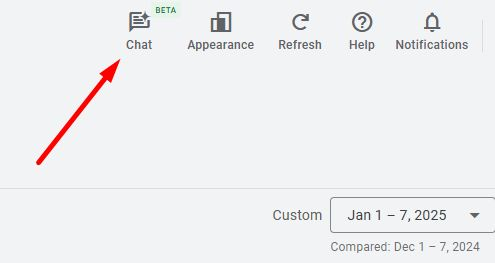
Google is experimenting with a new feature in its Ads platform by introducing a dedicated “Chat” button in the top navigation bar of the advertiser console. This addition aims to make support and query resolution more accessible to advertisers. The “Chat” button, labeled with a “beta” tag, is currently being tested, allowing users to interact with Google’s AI-powered support system directly from their dashboard.

What is the Chat Button?

The new chat button, located at the top-right corner of the Google Ads dashboard, offers advertisers a convenient way to ask questions and receive assistance. This feature leverages artificial intelligence to provide instant, relevant responses to queries about Google Ads campaigns, account management, and more.

Key Features

  1. Quick Accessibility
    • The button’s prominent placement in the top navigation ensures that users can easily find and access it without navigating through multiple menus.
  2. AI-Powered Support
    • The chat system uses AI to handle queries efficiently, offering solutions to common issues and answering frequently asked questions.
  3. Beta Testing
    • Currently in the testing phase, the feature is being evaluated to refine its performance and ensure it meets user needs effectively

How It Works

When users click the “Chat” button, they are directed to a sleek, easy-to-use interface that allows them to input their questions. The AI provides instant responses based on the user’s query.

Potential Use Cases

  • Campaign Assistance: Help with setting up, managing, or troubleshooting ad campaigns.
  • Performance Insights: Instant advice on optimizing campaigns for better results.
  • Technical Support: Guidance on navigating the Google Ads platform or addressing account issues.

Why This Update Matters

1. Enhanced User Experience

By placing the chat button in a more visible location, Google aims to improve the user experience for advertisers, making support more accessible and reducing time spent searching for help.

2. Empowering Advertisers

The integration of AI support directly into the advertiser console provides immediate, actionable insights, helping advertisers make informed decisions quickly.

3. Building on Past Features

This update builds on similar chat features introduced in October 2024, streamlining the way advertisers interact with Google’s support tools.

Community Feedback and Reception

Arpan Banerjee, an industry professional, was among the first to spot this update and shared his findings on social media platform X. His post, accompanied by screenshots, has sparked discussions among advertisers about the potential benefits of this feature.

Advertiser Reactions

  • Positive: Many users appreciate the improved accessibility and see it as a step forward in simplifying campaign management.
  • Concerns: Some advertisers are cautious about relying entirely on AI for complex issues, emphasizing the importance of retaining human support options.

What’s Next?

Google is expected to analyze feedback from the beta testing phase to refine the chat functionality further. While no official timeline has been announced for a full rollout, this feature could become a permanent addition if it proves valuable to advertisers.

Conclusion: A Smart Move for Advertiser Support

Google’s decision to test a dedicated chat button in the Ads console reflects its commitment to enhancing advertiser experience. By integrating AI-powered support into a highly accessible location, Google simplifies the way advertisers seek help, boosting efficiency and satisfaction.

As digital marketing continues to evolve, tools like this highlight the importance of combining convenience with cutting-edge technology to empower users. Advertisers should stay tuned for updates as this feature moves closer to a potential full launch.

Also Read: Google Ads Tests New Chat Button in Advertiser Console

Google Maps Removed from EU Search Results: What It Means for Users and Competitors

For years, Google Maps has been an indispensable tool for millions worldwide, seamlessly integrated into Google’s search results to provide instant access to directions, locations, and navigation services. However, recent changes mandated by the European Union (EU) have forced Google to remove its Maps functionality from search results, marking a significant shift in how users interact with the tech giant’s ecosystem.

The Role of the Digital Markets Act (DMA)

At the heart of this decision lies the Digital Markets Act (DMA), a groundbreaking regulation introduced by the EU to foster competition in the digital marketplace. The DMA aims to curb the dominance of major tech companies like Google by imposing new rules to promote user choice and reduce monopolistic practices.

Google’s seamless integration of services such as Maps, Calendar, and Docs within its search engine has long been criticized for stifling competition. By tightly linking these services, Google created an ecosystem where users rarely needed to explore alternatives. The DMA’s intervention targets this very strategy, starting with the decoupling of Google Maps from search results.

Changes in Google Maps Accessibility

Until recently, searching for a location on Google would display a Maps preview on the search results page, complete with a direct link for navigation. Additionally, the Maps tab, prominently positioned alongside Images and News, allowed users to quickly access Google Maps features. These functionalities have now been removed for EU users.

User Impact

The removal of these features has sparked frustration among users accustomed to the convenience of accessing Maps directly from search results. Instead of a couple of clicks to get directions, users must now navigate to the Google Maps website or app manually. While this may seem like a minor inconvenience, it represents a noticeable change for those who relied on the integration for its speed and ease of use.

For businesses, this change could lead to additional challenges. Companies that previously relied on Google Maps integration within their websites or advertisements may need to adjust their strategies to maintain visibility and ensure customers can access directions to their locations.

Balancing Convenience and Competition

The EU’s decision highlights the ongoing struggle to balance user convenience with fair competition. Google’s dominance in the search engine market, combined with its deep integration of navigation services, left little room for competitors to thrive. By embedding Maps directly into search results, Google effectively consolidated its hold on both the search and mapping markets.

The Competition Perspective

For competitors like HERE WeGo, OpenStreetMap, and TomTom, the DMA’s regulations present a rare opportunity to attract users. With Google Maps no longer automatically linked to search results, alternative navigation services may gain visibility and expand their user bases.

These competitors may now invest in innovative features, improved user interfaces, and marketing campaigns to capture the attention of users who are exploring alternatives.

Broader Implications for Tech Giants

The removal of Maps from Google’s search results is just one example of the DMA’s impact on major tech companies. Similar regulations are compelling other industry leaders, such as Apple, to open their ecosystems to alternative platforms.

Challenges for Google

For Google, compliance with the DMA poses significant challenges. The company must navigate these regulatory changes while striving to maintain user satisfaction. Additionally, the unraveling of its tightly integrated ecosystem may lead to further adjustments in how Google delivers its services.

Google may also face increased scrutiny in other regions, as regulatory bodies worldwide observe the EU’s actions and consider implementing similar measures.

Opportunities for Competitors

Competitors in various domains now have a chance to innovate and capture new audiences. The tech landscape is likely to see increased diversification as companies seek to fill the gaps left by Google’s regulatory adjustments. This could lead to a more dynamic market where smaller players are empowered to compete on equal footing.


The Future of Digital Navigation

These changes reflect a broader movement to reshape how tech companies operate, particularly in Europe. For consumers, the shift may require adapting to less integrated systems, but it also promises a more open and competitive digital environment. For Google, it serves as a reminder that even industry giants must evolve in response to regulatory scrutiny.

A New Digital Landscape

While the short-term inconvenience may frustrate users, the long-term effects could lead to a more diverse and innovative tech ecosystem. By breaking up monopolistic structures, the DMA aims to foster an environment where no single company dominates, ensuring that user choice and innovation thrive.

For users, this change highlights the importance of exploring and supporting alternative platforms to ensure a more balanced digital ecosystem. For companies, it’s a call to innovate, collaborate, and adapt to a rapidly evolving regulatory environment.

Also Read: 5 Best Sites to Buy Facebook Likes for Pages, Posts, and Photos in 2025


FAQs

1. Why did Google remove Maps from search results in the EU? Google complied with the EU’s Digital Markets Act, which requires tech companies to decouple integrated services to promote competition.

2. How does this affect users? Users in the EU can no longer access Maps previews or the Maps tab directly from search results. They must visit the Google Maps website or app instead.

3. What is the Digital Markets Act (DMA)? The DMA is an EU regulation designed to challenge the dominance of major tech companies and create a more competitive digital marketplace.

4. Will other tech companies be affected by similar regulations? Yes, other tech giants like Apple are also required to make changes, such as opening their App Store to alternative platforms.

5. Are there alternatives to Google Maps? Yes, alternatives like HERE WeGo, OpenStreetMap, and TomTom offer navigation services and may gain more visibility due to these changes.

6. What does this mean for businesses? Businesses that rely on Google Maps integration may need to adjust their strategies and direct customers to their locations using alternative methods.

Google Gemini Partners with The Associated Press to Offer Real-Time News Updates

Google is expanding the capabilities of its AI chatbot, Gemini, by integrating real-time news updates from The Associated Press (AP). This partnership marks a significant milestone for Google, as it is the first time the tech giant has entered into an AI news deal with a major publisher. By incorporating AP’s trusted journalism, Gemini aims to provide users with timely and accurate information directly within the chatbot, making it a one-stop platform for credible news updates.

A Game-Changing Collaboration

The partnership with The Associated Press, a globally renowned news agency, underscores Google’s commitment to enhancing the reliability and usefulness of its generative AI products. Kristin Heitmann, AP’s Chief Revenue Officer, expressed enthusiasm for the collaboration, stating, “We are pleased Google recognizes the value of AP’s journalism as well as our commitment to nonpartisan reporting in the development of its generative AI products.”

What This Means for Users

1. Access to Credible News

By leveraging AP’s trusted journalism, Gemini users can access real-time updates on global events without the need for additional fact-checking. This integration aims to address a common criticism of AI chatbots—providing information that may not always be accurate or up-to-date.

2. Enhanced User Experience

Previously, Gemini lacked the ability to deliver real-time news, limiting its utility for users seeking current events. With this update, the chatbot will offer more dynamic interactions, allowing users to quickly stay informed without navigating through multiple platforms.

3. Increased Trust in AI Chatbots

The inclusion of AP as a news source adds a layer of credibility to Gemini, making it more appealing to users who value accurate and nonpartisan reporting.

A Step Forward for Generative AI

Google’s collaboration with AP is part of a broader effort to refine the capabilities of its generative AI tools. For years, Google has worked with AP to integrate accurate information into its search engine. This partnership builds on that foundation, bringing the same level of accuracy to Gemini.

In its official blog post, Google stated, “The AP will now deliver a feed of real-time information to help further enhance the usefulness of results displayed in the Gemini app. This will be particularly helpful to our users looking for up-to-date information.”

The Impact on the News Ecosystem

1. Supporting Journalism

This partnership demonstrates Google’s recognition of the importance of credible journalism in the AI era. By working with established publishers like AP, Google is not only enhancing its products but also supporting the broader news ecosystem.

2. Shaping User Behavior

The integration of real-time news could attract more users to Gemini, positioning it as a reliable source for daily updates. This move may also encourage other AI developers to collaborate with reputable news organizations, further raising the bar for accuracy in AI-driven platforms.

Challenges and Future Potential

Despite the promise of this collaboration, there are a few challenges to consider:

  • Timelines: Google has yet to announce when AP’s news updates will be fully integrated into Gemini.
  • Expanding Partnerships: To meet diverse user needs, Gemini may need to partner with additional news outlets for broader coverage.

Looking ahead, this development could pave the way for similar integrations across other AI chatbots, setting a new standard for delivering accurate and real-time information.

Conclusion: A Step Toward Smarter, More Reliable AI

The integration of The Associated Press into Google Gemini represents a significant leap forward in the evolution of AI chatbots. By prioritizing credible and real-time news, Google is addressing user concerns about reliability while enhancing the functionality of its AI products.

As this update rolls out, Gemini is poised to become a go-to platform for users seeking trustworthy information in an increasingly digital world. With this partnership, Google reinforces the idea that AI can be both innovative and responsible, setting a new benchmark for the future of generative AI.

Also Read: Understanding the CMA’s Assessment of Google Search

Understanding the CMA’s Assessment of Google Search

On January 14, 2025, the Competition and Markets Authority (CMA) in the United Kingdom announced its plans to evaluate whether Google Search holds “Strategic Market Status” (SMS) under the newly implemented Digital Markets, Competition and Consumers regime. This assessment could lead to the introduction of new regulatory requirements for Google Search.

Here’s a closer look at what this means for Google, the UK economy, and consumers alike.

Why is Google Search Under Assessment?

The CMA’s assessment aims to determine whether Google’s dominance in the search engine market significantly impacts competition and consumer choice. The evaluation will explore how Google’s operations align with the UK’s goals for fair competition, innovation, and economic growth.

Key Points Driving the Assessment:

  • Market Influence: Google Search is a cornerstone of the digital economy, widely used by UK consumers and businesses.
  • Economic Contribution: In 2023, Google’s products, including Search, contributed an estimated £118 billion to the UK economy, supporting over a million businesses.
  • Export Facilitation: Google Search and Ads played a pivotal role in helping UK businesses export goods and services worth over £20 billion globally.

The Economic Importance of Search

Search engines like Google are integral to modern economies, especially in digitally advanced countries like the UK.

How Google Search Supports Growth:

  1. Empowering Businesses:
    Google Search enables millions of UK businesses to grow by increasing their visibility and connecting them with customers, both locally and internationally.
  2. Driving Innovation:
    Through tools like Google Ads, businesses can reach niche markets, test new products, and experiment with creative marketing strategies.
  3. Enhancing Consumer Choice:
    By delivering fast, relevant results, Google Search helps consumers make informed decisions on products, services, and more.

The Role of Regulations in Digital Markets

The CMA’s evaluation comes as part of a broader effort to create a regulatory framework that ensures fair competition in the digital space.

Proposed Outcomes of the Assessment:

  • Pro-Innovation Rules: A regulatory environment that fosters innovation could expand options for consumers, reduce costs, and unlock new opportunities for businesses.
  • Potential Risks of Over-Regulation: Overly rigid competition rules might limit flexibility, stifle innovation, and reduce consumer choice.

Google’s Commitment to Constructive Engagement

Google has expressed its willingness to work collaboratively with the CMA, emphasizing its commitment to aligning with evidence-based and growth-oriented regulatory goals.

Google’s Advocacy:

  • Balancing Trade-Offs: Google aims to highlight how its services benefit both consumers and businesses while addressing any potential concerns about market dominance.
  • Supporting Pro-Innovation Policies: The company underscores the importance of policies that encourage technological advancement and economic growth without restricting innovation.

Why This Matters for Consumers and Businesses

The outcome of the CMA’s assessment could shape the future of digital competition in the UK.

For Consumers:

  • A pro-innovation framework could lead to more choices and better services.
  • Over-regulation might reduce the availability of cutting-edge digital tools.

For Businesses:

  • Small and medium-sized enterprises (SMEs) could benefit from a fairer playing field.
  • Changes in Google’s practices could open doors for alternative platforms to compete.

Conclusion: Striking the Right Balance

The CMA’s review of Google Search represents an important step in defining the role of digital platforms in the UK’s economy. Striking the right balance between innovation and fair competition will be crucial for fostering a dynamic and inclusive digital landscape.

Google’s contributions to economic growth and its willingness to engage constructively highlight its pivotal role in this evolving narrative. Ultimately, a regulatory framework that promotes innovation and ensures fair competition will empower businesses, benefit consumers, and support the UK’s digital transformation goals.

As the CMA’s assessment unfolds, the focus will remain on achieving a balance that drives both economic growth and consumer satisfaction in an increasingly digital world.

Also Read: Google Lens Update: Launches Directly to Camera Viewfinder

Google Lens Update: Launches Directly to Camera Viewfinder

Google Lens has introduced a significant update designed to simplify and enhance its usability. Now, when you open Google Lens on Android or iOS, the app immediately launches the camera viewfinder instead of defaulting to the gallery view. This change streamlines the process for users who rely on Google Lens as a tool to interact with the real world through their smartphone camera.

What Has Changed?

1. Immediate Access to the Camera Viewfinder

Previously, launching Google Lens opened a gallery-focused interface, displaying your eight most recent screenshots and the entire camera roll for one-tap analysis. To access the camera, users had to swipe or tap to activate the viewfinder manually.

With the latest update, the camera viewfinder now launches automatically, making it easier to capture live images for analysis. This change aligns with Google’s growing focus on real-world search functionality through tools like Circle to Search (CtS).

2. Redesigned Interface for a Better Experience

Google has also made minor tweaks to the viewfinder interface:

  • The gallery preview now appears as a circular icon, replacing the previous rounded square design. Users can tap the icon or swipe up to access their image gallery for analysis.
  • The history button, introduced in 2024, remains in the top-right corner, allowing users to revisit previous visual searches easily.

Why This Change Matters

Google Lens is becoming an increasingly vital tool for integrating the digital and physical worlds. This update simplifies how users interact with Lens, reinforcing its position as Google’s primary resource for real-world visual search.

1. Enhanced Real-World Interactivity

By launching directly to the camera, Google Lens is better equipped to serve its purpose as a tool for analyzing objects, locations, and text in real time. This improvement eliminates unnecessary steps, saving time for users who want immediate results.

2. Integration with Circle to Search

The update complements the growing adoption of Circle to Search (CtS), which is designed for on-screen searches. While CtS handles digital content, Lens is positioned as the go-to tool for analyzing physical surroundings, creating a cohesive ecosystem for visual search.

Additional Features in Google Lens

Google Lens continues to evolve with innovative features that improve user interaction and search capabilities:

1. Voice Input Integration

In 2024, Google introduced the ability to long-press the camera button to append a text query to your visual search. This feature allows for a seamless blend of voice and visual input, making searches more precise and efficient.

2. Video Search (Beta)

For users enrolled in Google’s Search Labs, a beta feature enables video search capabilities. This experimental tool allows users to analyze video content directly within the app, further expanding Lens’s potential applications.

How to Access the Update

This update is available on the latest version of the Google app for both Android (16.0.7) and iOS. If you haven’t updated your Google app recently, visit the Play Store or App Store to download the latest version and experience the streamlined functionality.

What This Means for Users

The updated Google Lens offers several key benefits:

  • Faster Access: Immediate camera viewfinder access speeds up interactions, especially for users frequently capturing images for analysis.
  • Simplified Interface: The redesigned gallery preview and persistent history button enhance navigation and usability.
  • Seamless Integration: The update positions Lens as a complementary tool to CtS, enabling distinct workflows for on-screen and real-world searches.

Conclusion: A Smarter, More Efficient Google Lens

Google’s decision to prioritize the camera viewfinder in Lens reflects its commitment to enhancing real-world interactivity. This update, combined with other features like voice input and video search, ensures that Google Lens remains a cutting-edge tool for visual search and real-world applications.

As technology continues to bridge the gap between the physical and digital worlds, Google Lens’s innovations highlight its role in helping users navigate and understand their surroundings with ease. If you haven’t explored the latest update, now is the perfect time to experience how Google Lens can transform the way you interact with the world around you.

Also Read: Google Lens Update: Launches Directly to Camera Viewfinder

Google App Introduces New Bottom Toolbar for Search and Discover Pages

Google is revamping its app interface on Android with the introduction of a new bottom toolbar for Search results and Discover articles. This change enhances usability by streamlining controls and making key features more accessible, particularly for one-handed use.

What’s New in the Bottom Toolbar?

The redesigned interface shifts essential controls—previously crammed into the top bar—to a new bottom toolbar. This update applies to pages opened through the Google app, such as Discover articles and Search results.

Key Features of the Bottom Toolbar:

  1. Save: Allows users to bookmark content for later reference.
  2. Search: Offers quick access to start a new search directly from the toolbar.
  3. Share: Provides one-tap access to the system Share sheet for easy content sharing.

This bottom toolbar complements the existing top bar, which retains functions like Close Tab, Site Info, and Add to Collection.

How the New Toolbar Enhances Usability

1. Improved Accessibility

By moving frequently used controls to the bottom of the screen, the update caters to one-handed use, a feature particularly helpful for larger smartphones.

2. Cleaner Design

The new layout declutters the top bar, allowing more of the page title to be displayed. This change improves readability and provides users with a better understanding of the content they’re accessing.

3. Streamlined Navigation

The bottom toolbar ensures seamless navigation:

  • Users can save articles or search for new topics without scrolling back to the top.
  • The Share button offers quick access to send links to friends, colleagues, or social media platforms.

Context-Specific Limitations

The bottom toolbar is currently limited to pages opened through Search and Discover. It does not appear for content accessed via Google Lens or Circle to Search.

Scrolling Behavior and Real Estate Impact

To maintain a clean reading experience, the bottom toolbar disappears as users scroll down a page. This ensures minimal impact on available screen space while keeping the new features accessible when needed.

Availability and Testing

The new bottom toolbar is currently in beta testing with Google app version 16.1.38. It has not yet been rolled out to the stable channel, meaning only select users have access to this feature as part of Google’s phased testing approach.

Conclusion: A User-Centric Update

Google’s introduction of a bottom toolbar in its app reflects a thoughtful approach to improving user interaction and accessibility. By addressing the challenges of cramped top-bar controls, the update provides a cleaner, more intuitive interface for navigating Search and Discover content.

This enhancement is part of Google’s ongoing effort to refine its user experience, and it demonstrates the company’s commitment to balancing functionality with simplicity. Keep an eye on the stable release of the Google app to try out this new feature for yourself!

Also Read: How to Stop Facebook and Instagram from Mining Your Data

Google to Update Advertising Policies on January 15 to Combat Financial Scams

Google has announced a significant update to its advertising policies, effective January 15, 2025, aimed at enhancing user protection against financial scams. This move primarily targets irregularities in cryptocurrency promotions and aligns with the UK’s stringent regulations on digital advertising. By implementing these changes, Google seeks to address growing concerns about deceptive financial practices and ensure a safer online ecosystem for its users.

Addressing Cryptocurrency Advertising Irregularities

Cryptocurrency-related scams have become a growing concern worldwide, particularly in the UK. Google’s updated policies specifically target this issue by implementing stricter guidelines.

Key Changes in Cryptocurrency Ads

  • Promotions for Hardware Wallets: Advertisements for hardware wallets designed to store private keys for cryptocurrencies, including NFTs, will still be permitted. These wallets are considered a secure way to manage digital assets and align with consumer protection goals.
  • Ban on Crypto Services: Ads for services involving the buying, selling, exchanging, or trading of cryptocurrencies will no longer be allowed. This step aims to reduce exposure to high-risk financial activities often associated with scams.

By focusing on these areas, Google hopes to curb deceptive promotions that have misled consumers in the past, particularly those unfamiliar with the complexities of cryptocurrency markets.

Enforcement and Grace Period

Google’s enforcement strategy ensures a fair but firm implementation of these policies. Advertisers will have a structured path to compliance:

  1. Notification for Violations: Advertisers found in violation of the new policies will initially receive a notification outlining the specific issues.
  2. Seven-Day Grace Period: Non-compliant advertisers will have seven days to register with the UK Financial Conduct Authority (FCA) or rectify any other issues.
  3. Account Suspension: Accounts failing to meet compliance requirements within the grace period will face suspension, effectively barring them from advertising on Google’s platform.

This phased approach balances the need for user protection with an opportunity for businesses to adapt to the new rules.

Context: The UK’s Regulatory Landscape

The UK has been at the forefront of regulating cryptocurrency and financial advertisements to protect investors from fraud and misinformation. Google’s policy update is a direct response to these regulatory efforts.

Key UK Regulatory Measures

  1. Approval of Crypto Advertisements (2023): In June 2023, the FCA allowed crypto advertisements but mandated clear warnings about risks and false promises. This initiative sought to prevent misleading promotions while allowing legitimate businesses to operate.
  2. Restrictions on Referral Bonuses: The FCA urged crypto platforms to avoid incentivizing users through referral bonuses, which were often exploited by fraudulent schemes.
  3. Focus on Consumer Education: UK authorities have emphasized the importance of transparency and clear communication in financial promotions, ensuring consumers understand the risks involved.

These measures have set a global standard for regulating digital advertising in the financial sector, influencing companies like Google to align their policies accordingly.

Broader Implications for Google and Advertisers

This policy update reflects Google’s commitment to maintaining a secure and trustworthy advertising ecosystem. However, it also introduces challenges and opportunities for advertisers, particularly in the financial and cryptocurrency sectors.

For Google

  • Strengthened Trust: By prioritizing user safety, Google reinforces its reputation as a responsible platform for digital advertising.
  • Global Adaptation: While this update targets the UK, it may pave the way for similar changes in other regions as governments worldwide adopt stricter regulations on financial promotions.

For Advertisers

  • Compliance Requirements: Advertisers must stay updated on regulatory developments and ensure their practices align with both Google’s policies and regional laws.
  • Focus on Transparency: Clear and accurate messaging will be crucial to maintaining consumer trust and avoiding penalties.
  • Opportunities for Legitimate Businesses: By eliminating deceptive practices, the updated policies create a level playing field for credible advertisers to reach their audiences.

Google’s Broader Initiatives

In addition to combating financial scams, Google has taken steps to improve operational efficiency and adapt to a rapidly evolving digital landscape:

  • Reduction in Top Management: As part of an ongoing effort to streamline operations, Google recently reduced its managerial positions by 10%. This move aims to enhance decision-making and resource allocation.
  • Focus on Compliance and Innovation: Google continues to invest in initiatives that balance regulatory compliance with cutting-edge innovations, ensuring long-term sustainability.

The Bigger Picture: A Safer Digital Ecosystem

Google’s updated advertising policies represent more than just a compliance measure; they signal a broader commitment to creating a safer and more transparent online environment. By targeting high-risk areas like cryptocurrency promotions, the company is addressing one of the most pressing challenges in digital advertising.

Benefits for Users

  • Reduced Exposure to Scams: Stricter policies mean fewer opportunities for deceptive actors to exploit consumers.
  • Enhanced Trust in Advertising: Users can rely on Google’s platform to provide credible and trustworthy promotions.

Benefits for Advertisers

  • Clearer Guidelines: Legitimate businesses benefit from well-defined rules that foster a competitive yet fair marketplace.
  • Opportunities for Innovation: Advertisers can focus on developing creative and compliant campaigns that resonate with their audiences.

Conclusion

Google’s updated advertising policies mark a significant step toward combating financial scams and fostering a more secure online environment. By aligning with the UK’s FCA guidelines and addressing cryptocurrency-related irregularities, the company demonstrates its commitment to user safety and transparency. Advertisers must adapt proactively to these changes, ensuring compliance while leveraging opportunities to build trust and engagement with their audiences. As the digital landscape evolves, Google’s efforts set a precedent for balancing innovation with responsibility, paving the way for a safer and more trustworthy advertising ecosystem.

Also Read: Google’s Guide to Confirming Indexing Issues Due to JavaScript


FAQs

1. What is the focus of Google’s new advertising policies?

The updates aim to address financial scams, particularly in cryptocurrency promotions, by enforcing stricter compliance and transparency measures.

2. When do the new policies take effect?

The updated advertising policies will come into effect on January 15, 2025.

3. What happens to non-compliant advertisers?

Non-compliant advertisers will receive a notification and a seven-day grace period to rectify issues before their accounts are suspended.

4. What cryptocurrency advertisements will Google allow?

Google will permit advertisements for hardware wallets but prohibit those related to buying, selling, exchanging, or trading cryptocurrencies.

5. How does this align with the UK’s regulations?

The updates align with the UK Financial Conduct Authority’s efforts to regulate cryptocurrency advertisements and protect consumers from potential scams.

6. What are the broader implications of these changes?

The policy update reflects Google’s commitment to user safety and may influence similar regulations globally, ensuring a more secure digital advertising ecosystem.

Google’s Guide to Confirming Indexing Issues Due to JavaScript

Google’s Martin Splitt recently shared valuable insights on diagnosing and resolving website indexing issues potentially caused by JavaScript. Presented in a Search Norwich video, Splitt’s advice is particularly useful for SEOs and developers, even those without extensive JavaScript expertise. Contrary to popular belief, JavaScript itself is rarely the root cause of such issues; instead, misimplementation or other factors are often at fault. This guide summarizes key takeaways to help debug and address these challenges effectively.

JavaScript: Rarely the Culprit of SEO Issues

Splitt emphasized that JavaScript is seldom the actual cause of indexing problems. Instead, confirmation bias—where evidence is interpreted to fit a preconceived notion—often leads to inaccurate diagnoses. For instance, many SEOs suspect JavaScript to be the issue, only to discover that a different problem is at play. Splitt noted that in hundreds of cases brought to his attention annually, only one was genuinely linked to a JavaScript bug.

Common Misconceptions

  • Misuse of JavaScript: Issues often arise from how JavaScript is implemented rather than flaws in JavaScript itself. Incorrect configuration or improper coding practices are frequent culprits.
  • Misinterpreted Errors: Errors flagged in the JavaScript console aren’t always directly related to JavaScript itself. They could stem from blocked resources or server-side issues.
  • Blaming Google: Small or niche websites sometimes claim that Google bugs are causing issues. However, these claims rarely hold up, as such bugs would likely affect a much broader range of websites.

Confirmation Bias in Debugging

Splitt described how confirmation bias often drives SEOs to incorrectly blame JavaScript. SEOs may look for evidence to support their preconceived assumptions, ignoring other possibilities. This flawed approach wastes time and resources that could be better spent addressing the real issues.

Tools to Diagnose JavaScript-Related Indexing Issues

Splitt recommends leveraging specific tools to debug and understand how Google interacts with a webpage. These tools can help identify whether JavaScript is genuinely causing problems or if the issue lies elsewhere.

1. Google Search Console’s URL Inspection Tool

The URL Inspection Tool is one of the most powerful resources for identifying indexing issues. It provides insights into how Google crawls and renders a webpage, highlighting:

  • The rendered version of the page.
  • Indexing status and errors.
  • Missing resources or blocked content.

Using this tool, SEOs can determine whether JavaScript is playing a role in rendering issues or if other factors, such as Robots.txt restrictions, are involved.

2. Google Rich Results Test

This tool evaluates structured data and shows how Google interprets the content for enhanced search features, such as rich snippets. If JavaScript affects structured data, the Rich Results Test will highlight inconsistencies or errors, making it easier to pinpoint the source of the problem.

3. Chrome DevTools

Chrome’s DevTools is an indispensable resource for JavaScript debugging. Key features include:

  • JavaScript Console Messages: Displays errors and warnings related to JavaScript execution.
  • Network Activity: Shows which resources were successfully loaded and which failed.
  • Rendering Insights: Highlights any issues in how the page renders, including blocked APIs or incomplete resources.

By combining these tools, SEOs can build a comprehensive understanding of how Google interacts with their webpages, enabling more accurate diagnoses and targeted fixes.

Debugging Rendering Issues

Understanding Google’s Rendering Process

Rendering involves Googlebot downloading webpage resources—such as fonts, CSS, and JavaScript—to create a fully functional version of the page. This process replicates what a human user would experience in a browser. Debugging rendering issues is crucial for identifying whether:

  • The page renders correctly.
  • Certain elements fail to render.
  • The page cannot be indexed at all.

Practical Steps for Debugging

  1. Submit the URL to Diagnostic Tools: Use Google Search Console or the Rich Results Test to review the rendered version of your page.
  2. Inspect JavaScript Console Messages: Check for errors that might indicate issues with resource loading or execution.
  3. Evaluate External Dependencies: Ensure APIs or other resources aren’t blocked by Robots.txt or firewall restrictions.
  4. Test Alternate Scenarios: Temporarily disable specific JavaScript functions to isolate potential issues and identify workarounds.

Why SEOs Often Misattribute Issues to JavaScript

Splitt attributes JavaScript’s reputation as a frequent culprit to a lack of debugging knowledge. Many SEOs lack the technical expertise to accurately diagnose problems, leading them to blame JavaScript as a default assumption. By learning a few key debugging techniques, SEOs can:

  • Save time by addressing real issues more quickly.
  • Reduce reliance on external support for basic problems.
  • Gain confidence in identifying and solving indexing challenges.

Examples of Misattributed Issues

  • Blocked APIs: Errors may arise from APIs restricted by Robots.txt rather than from JavaScript execution.
  • Server-Side Problems: Inconsistent server responses can lead to rendering issues that have nothing to do with JavaScript.
  • Improper Resource Loading: Missing fonts or CSS files can impact rendering but are often incorrectly blamed on JavaScript.

Takeaways and Best Practices

Adopt a Systematic Approach

Use diagnostic tools to confirm whether JavaScript is genuinely causing the issue. Avoid jumping to conclusions based on superficial observations or limited evidence.

Avoid Confirmation Bias

Remain open to alternative explanations for indexing or rendering problems. Consider server-side issues, resource restrictions, and improper configurations as potential culprits.

Educate Your Team

Share debugging knowledge within your organization to empower team members to identify and resolve issues independently. This reduces dependency on external experts and accelerates problem-solving.

Optimize JavaScript Usage

While JavaScript is rarely the sole cause of SEO problems, optimizing its implementation can improve overall site performance. Best practices include:

  • Minimizing unnecessary JavaScript.
  • Ensuring resources load asynchronously where possible.
  • Testing across multiple devices and browsers to ensure compatibility.

Conclusion

JavaScript’s role in SEO is often misunderstood, leading to misplaced blame for indexing and rendering issues. By using tools like Google Search Console, Rich Results Test, and Chrome DevTools, SEOs can systematically diagnose and resolve problems. Martin Splitt’s insights underscore the importance of thorough debugging and avoiding assumptions, ultimately saving time and improving site performance.

Understanding and addressing the root causes of indexing issues not only enhances SEO outcomes but also contributes to a more robust and efficient digital presence. With the right tools and knowledge, SEOs can confidently tackle challenges and ensure their websites are optimized for both users and search engines.

Also Read: Discover Google Saved: The Bookmarking Tool You Didn’t Know You Needed

Watch Martin Splitt’s presentation here:


FAQs

1. Is JavaScript usually the cause of indexing issues?

No, JavaScript is rarely the root cause. Issues often stem from misimplementation or unrelated factors.

2. What tools can help debug JavaScript-related issues?

Google Search Console’s URL Inspection Tool, Google Rich Results Test, and Chrome DevTools are excellent resources.

3. What should I do if my page isn’t rendering properly?

Check for errors using diagnostic tools, inspect JavaScript console messages, and ensure external resources aren’t blocked.

4. How can I avoid misattributing issues to JavaScript?

Adopt a systematic debugging approach and remain open to alternative explanations, such as server-side problems.

5. Why is understanding rendering important?

Rendering determines how Googlebot views and indexes a page, making it crucial for identifying potential issues affecting SEO.

6. What are the best practices for using JavaScript in SEO?

Minimize unnecessary JavaScript, load resources asynchronously, and test for compatibility across different platforms.