
Key Trends Driving Digital Marketing Evolution in South Africa in 2025

South Africa is at the forefront of a transformative digital revolution. As the nation continues to embrace technological advancements, businesses and marketers are navigating a dynamic landscape filled with opportunities and challenges. The key to staying competitive in this rapidly evolving space lies in understanding and leveraging emerging trends that align with South Africa’s unique market dynamics. Here’s an in-depth look at the six transformative trends shaping digital marketing in South Africa in 2025.

1. AI-Powered Personalization Becomes Essential

Artificial intelligence (AI) is no longer a futuristic concept but a fundamental tool in digital marketing. In South Africa, where the market is diverse and consumer preferences vary widely, AI-powered personalization is becoming a critical strategy to engage audiences effectively.

Why It Matters:

  • Improved Engagement: Companies using AI-driven personalization report up to a 30% boost in customer engagement rates. This is particularly significant in South Africa’s urban centers, where digital adoption is high.
  • Catering to Diversity: South Africa’s mix of urban technology adopters and rural emerging markets requires adaptive AI solutions that can cater to diverse consumer needs.

Applications:

  • AI chatbots offering personalized financial advice in multiple languages.
  • Dynamic content delivery on e-commerce platforms based on browsing behavior and purchase history.
  • Predictive analytics to anticipate customer needs, such as offering relevant product recommendations.

Implementation Tips:

  • Invest in AI platforms that can analyze large datasets and deliver actionable insights.
  • Train AI systems to recognize regional languages, cultural preferences, and purchasing habits.
  • Combine AI with human oversight to ensure campaigns remain relatable and authentic.

2. Mobile-First Optimization Dominates

With mobile penetration in South Africa projected to reach 95% by 2025, adopting a mobile-first approach is no longer optional—it is an absolute necessity. Mobile devices are the primary gateway for South Africans to access the internet, making mobile optimization a critical aspect of digital marketing strategies.

Key Strategies:

  • Responsive Design: Ensure that websites and e-commerce platforms are fully optimized for mobile users.
  • Streamlined Transactions: Offer secure and user-friendly payment options to build trust and encourage repeat purchases.
  • Integrated Customer Support: Real-time support through mobile apps enhances user satisfaction and builds brand loyalty.

Why It Matters:

South Africans increasingly rely on mobile devices for shopping, banking, education, and entertainment. Businesses that prioritize seamless mobile experiences will gain a competitive edge in capturing and retaining this growing audience. Additionally, mobile-first strategies reduce bounce rates and improve customer engagement, which translates to higher conversions.

3. Voice Search Adoption Expands

The rise of smart devices and voice assistants is driving the adoption of voice search, making it a vital component of digital marketing strategies. South Africa’s multilingual landscape presents unique opportunities for brands to capitalize on voice search technology.

Why It Matters:

  • Increased Accessibility: Voice search simplifies interactions for users, particularly in rural areas where literacy rates may vary.
  • SEO Opportunities: Optimizing for voice search using local dialects and colloquialisms can significantly enhance discoverability.
  • Consumer Behavior: With more consumers relying on hands-free technology, voice search is rapidly becoming a preferred mode of interaction.

Actionable Steps:

  • Integrate natural language processing (NLP) into SEO strategies to improve voice query recognition.
  • Develop content that answers conversational queries, such as “Where can I buy affordable car insurance near me?”
  • Focus on local and regional keywords to align with diverse user searches across South Africa.

4. Video Marketing Takes the Lead

Video content is revolutionizing digital marketing as one of the most engaging and versatile mediums. In South Africa, where internet accessibility and video consumption are on the rise, leveraging video marketing has become essential for brand visibility and customer engagement.

Key Trends:

  • Micro-Influencer Collaborations: Partnering with relatable influencers to create authentic and impactful content.
  • Shoppable Videos: Embedding purchase links directly into video content to streamline the customer journey.
  • Vernacular Content: Producing videos in local languages to resonate with South Africa’s diverse population.

Why It Matters:

Research indicates South African consumers are spending 40% more time watching videos than they did two years ago. Videos simplify complex messages, evoke emotional responses, and drive higher engagement rates, making them an indispensable tool for modern marketing.

Examples of Effective Video Content:

  • Explainer videos for financial services or insurance products.
  • Customer testimonials to build trust and credibility.
  • Tutorials and how-to guides tailored to the needs of local audiences.

5. Sustainability and Purpose-Driven Marketing

Consumers worldwide are becoming more socially and environmentally conscious, and South Africa is no exception. Purpose-driven marketing, which emphasizes sustainability and social responsibility, is gaining traction as a way to build trust and foster loyalty.

Why It Matters:

  • Consumer Preferences: Studies show 67% of South African consumers prefer brands that demonstrate a genuine commitment to sustainability and social responsibility.
  • Brand Differentiation: Purpose-driven campaigns help brands stand out in a crowded marketplace.
  • Community Impact: Supporting local initiatives creates a positive brand image and strengthens customer relationships.

Strategies:

  • Highlight eco-friendly practices, such as reducing carbon footprints or using sustainable materials.
  • Partner with local NGOs to support community development projects.
  • Launch campaigns promoting the circular economy, such as preloved fashion platforms or recycling initiatives.

6. Rise of Hybrid Retail Experiences

The blending of physical and digital retail experiences is shaping the future of commerce. Hybrid strategies combine the convenience of online shopping with the tactile engagement of in-store experiences, offering the best of both worlds.

Emerging Innovations:

  • AR-Enhanced Retail: Augmented reality allows customers to visualize products, such as furniture or clothing, in real-world settings.
  • Integrated Loyalty Programs: Digital rewards seamlessly linked with in-store purchases.
  • Community-Driven Marketing: Hosting events that combine virtual participation with physical gatherings to foster deeper connections.

Why It Matters:

Post-pandemic consumer behavior has shifted towards hybrid experiences, where customers expect flexibility and personalization. By adopting these strategies, businesses can meet customer expectations and differentiate themselves in a competitive market.

Conclusion: Thriving in the Digital Future

The digital marketing landscape in South Africa is evolving at an unprecedented pace. By embracing AI-powered personalization, prioritizing mobile-first strategies, leveraging video and voice technologies, and championing sustainability, brands can meet the evolving needs of their audiences. Additionally, hybrid retail experiences offer a unique opportunity to bridge the gap between the digital and physical worlds, creating richer customer interactions.

For businesses in South Africa, the time to act is now. By staying ahead of these trends and adapting to the rapidly changing environment, brands can position themselves for sustainable growth and long-term success in 2025 and beyond.


FAQs

1. What is AI-powered personalization, and how does it benefit digital marketing?
AI-powered personalization uses artificial intelligence to deliver customized content and recommendations based on user behavior and preferences. It improves customer engagement, boosts conversion rates, and fosters long-term loyalty by making marketing messages more relevant and targeted.

2. Why is mobile-first optimization crucial for South Africa’s digital landscape?
With mobile penetration projected to reach 95% in South Africa by 2025, most users access the internet through smartphones. Mobile-first optimization ensures websites and apps are responsive, fast, and user-friendly, catering to the growing mobile audience and enhancing user experience.

3. How can businesses optimize for voice search in a multilingual market like South Africa?
Businesses can optimize for voice search by:

  • Using natural language keywords and phrases in content.
  • Incorporating regional dialects and local languages into SEO strategies.
  • Creating conversational FAQs and content that align with typical voice queries.

4. What are the benefits of using video marketing in South Africa?
Video marketing simplifies complex concepts, engages diverse audiences, and builds emotional connections with consumers. In South Africa, where video consumption is rising, this medium is highly effective for storytelling, product demonstrations, and influencer collaborations.

5. How does sustainability impact digital marketing strategies in South Africa?
Sustainability appeals to socially conscious consumers who prefer brands with ethical practices. Incorporating eco-friendly initiatives, promoting recycling, and supporting community-driven projects can build trust, enhance brand reputation, and attract value-driven audiences.

Instagram’s New Music-Sharing Feature in DMs – Here’s How It Works!

In an era where music plays a crucial role in self-expression, Instagram has taken a step forward by integrating a brand-new music-sharing feature into Direct Messages (DMs). This feature allows users to send 30-second song previews within chats, making conversations more engaging and personalized.

Whether you’re recommending a favorite track, introducing a new artist, or simply expressing your mood, Instagram’s latest update makes sharing music effortless and fun.

What is Instagram’s Music-Sharing Feature?

Instagram, owned by Meta, has been consistently upgrading its platform to enhance user experience. This new update enables users to send song previews directly through DMs, eliminating the need to switch between apps.

Key Features:

✅ Users can send 30-second song previews within individual and group chats.
✅ The recipient can listen to the preview and access the full song on supported streaming services.
✅ Available globally for iOS and Android users.
✅ Integrated seamlessly into Instagram’s chat interface.

How to Share Music in Instagram DMs? (Step-by-Step Guide)

Using Instagram’s new music-sharing feature is incredibly simple. Follow these steps:

Step 1: Open a Conversation

✔ Open the Instagram app and go to DMs by tapping the Messenger icon.
✔ Select a conversation where you want to share a song.

Step 2: Access the Music Sticker

✔ Tap the Sticker icon in the message bar.
✔ Select ‘Music’ from the options.

Step 3: Search for a Song

✔ Use the search bar to find a specific song.
✔ Browse through the ‘For You’ and ‘Browse’ sections for trending music.

Step 4: Send the Song Preview

✔ Select the desired track.
✔ Tap ‘Send’ to share a 30-second preview in the chat.

The recipient can listen to the preview and, if they like it, open the full song on a streaming platform like Spotify or Apple Music.

Why This Feature is a Game-Changer?

Instagram’s music-sharing feature is more than just a simple addition—it enhances digital communication in several ways:

🎵 Enhancing Conversations – Just like emojis, GIFs, and memes, music helps users express emotions and set the mood in a conversation.

🎧 Simplifying Music Discovery – Friends and influencers can introduce new tracks effortlessly, leading to more organic music discovery.

💬 Strengthening Social Bonds – Sharing music is a great way to connect with like-minded individuals and strengthen friendships.

How This Feature Benefits Artists and Music Creators?

Independent artists, influencers, and music creators can leverage this feature to reach a wider audience.

🚀 Boosting Discoverability – Songs can be shared in private chats, creating a ripple effect in social circles.
📣 Engaging with Fans – Artists can send personal song previews to followers or fan groups.
🎼 Promoting Music Effortlessly – Music can spread organically, without the need for paid promotions.

How Instagram’s Music Feature Stands Out?

Instagram’s seamless integration of music into DMs makes it one of the most user-friendly platforms for sharing music. Let’s compare it with other social media platforms:

PlatformMusic Sharing Capabilities
Instagram30-second song previews in DMs
WhatsAppShare song links, no in-app preview
SnapchatAdd music to Snaps, but only in Stories
Facebook MessengerShare song links, no preview feature
TikTokMusic in videos, but no direct message sharing

Clearly, Instagram stands out because it allows direct music previews within chats, making it a more interactive experience.

Potential Limitations and Future Improvements

While this feature is exciting, there are some current limitations:

Only 30-second previews are available; users must switch to another app to listen to the full song.
No offline sharing—an internet connection is required.
Limited to certain streaming services—it may not support all music platforms yet.

Possible Future Improvements:

🔹 Longer Previews – Allowing extended clips of songs.
🔹 Playlist Integration – Enabling users to share multiple tracks at once.
🔹 Direct Streaming Access – Letting users play full songs within Instagram.

Final Thoughts

Instagram’s new music-sharing feature is a game-changer in the world of social media. By making music an integral part of conversations, it not only enhances user engagement but also provides a unique way for artists and influencers to promote their work.

Whether you’re sharing a nostalgic song with a friend or discovering new tracks, this update ensures that music is just a message away.

Also Read: Google Revives YouTube Premium Lite: A Cheaper Ad-Free Experience


FAQs

Can I share full songs on Instagram DMs?
No, Instagram currently allows only 30-second previews. However, users can tap on the preview to listen to the full song on a supported streaming service.

Do I need a music streaming subscription to use this feature?
No, anyone can send and listen to previews within Instagram. However, to play full songs, a music streaming account (Spotify, Apple Music, etc.) may be required.

Is the music-sharing feature available worldwide?
Yes, Instagram is rolling it out globally on both iOS and Android devices. If you don’t see the feature yet, try updating your Instagram app.

Can businesses use this feature for promotions?
Absolutely! Artists, influencers, and brands can use Instagram DMs to share their latest releases and engage with their audience directly.

Can I share music in group chats?
Yes, music previews can be shared in both individual and group conversations on Instagram.

🚀 So, what are you waiting for? Start sharing your favorite tracks in Instagram DMs today! 🎶

Google Revives YouTube Premium Lite: A Cheaper Ad-Free Experience

YouTube users have long requested more flexibility in subscription plans, and Google is finally responding. The company is set to reintroduce YouTube Premium Lite, a more affordable option that allows users to enjoy ad-free videos without paying for YouTube Music.

This move will provide users with greater control over their subscriptions and cater to those who prefer using other music streaming services like Spotify or Apple Music. But what exactly does YouTube Premium Lite offer, and how does it compare to the full YouTube Premium experience? Let’s break it down.

What is YouTube Premium Lite?

YouTube Premium Lite is a budget-friendly alternative to the standard YouTube Premium subscription. It is designed for users who want an ad-free experience but don’t necessarily need access to YouTube Music or other premium perks.

Key Features of YouTube Premium Lite:

Ad-Free Viewing: Most non-music YouTube videos will be free from interruptions.
Lower Subscription Cost: Expected to be half the price of the full YouTube Premium plan.
Available in Select Countries: Initially launching in the U.S., Australia, Germany, and Thailand.

What YouTube Premium Lite Does NOT Include:

No YouTube Music Access: Unlike the standard Premium plan, this tier will not include YouTube Music.
No Offline Downloads: Users won’t be able to download videos for offline viewing.
No Background Play: Videos won’t continue playing in the background while using other apps.

Why Google is Bringing Back Premium Lite

In 2023, Google discontinued Premium Lite, leaving users with only the $13.99/month YouTube Premium plan. However, many users found this pricing too expensive, especially if they weren’t using YouTube Music.

With rising competition from other streaming services and ad-free options on platforms like Netflix and Disney+, Google seems to have recognized the demand for a more affordable alternative.

Additionally, this new subscription tier will:
Attract new users who want ad-free YouTube but don’t need premium features.
Increase YouTube’s total subscriber base by offering more flexible pricing options.
Encourage ad-free viewing without pushing users toward full Premium.

How Much Will YouTube Premium Lite Cost?

While Google has not officially confirmed pricing, based on previous tests in Europe and Australia, the price is expected to be around $6–$8 per month.

For comparison:

  • YouTube Premium: $13.99/month (includes YouTube Music, offline downloads, and background play).
  • YouTube Premium Lite: ~$6–$8/month (ad-free videos only).

This price cut makes Premium Lite a more attractive option for users who want an uninterrupted YouTube experience without the extra features.

How This Impacts YouTube Users

✔ More Flexibility in Subscription Choices

Users who don’t need YouTube Music now have a cheaper way to remove ads without paying for bundled services they don’t use.

✔ Potential Shift in YouTube Premium Subscribers

  • Many users might switch to Premium Lite to save money.
  • YouTube Music subscriptions could decline as users explore alternative platforms.

✔ More Revenue for Google & Creators

While ad revenue might decrease slightly, more subscriptions could increase YouTube’s overall earnings and offer creators a more stable income source.

Final Thoughts: A Smart Move by Google?

The return of YouTube Premium Lite is a win for budget-conscious users and a strategic move for Google. By offering an affordable ad-free experience, Google can attract more subscribers, boost engagement, and compete with other streaming services.

If you’re someone who loves ad-free videos but doesn’t need YouTube Music, Premium Lite might be the perfect plan for you! 🚀

Also Read: Top Trends Shaping Financial Digital Marketing in 2025

Top Trends Shaping Financial Digital Marketing in 2025

The financial sector in India is at the forefront of a digital revolution, fueled by the integration of advanced technologies and shifting consumer expectations. As financial institutions navigate this dynamic landscape, embracing emerging trends in digital marketing is critical for staying competitive. In this comprehensive guide, we delve into the top trends that will define financial digital marketing in 2025 and offer actionable insights tailored to the Indian market.

1. Hyper-Personalization: Delivering Tailored Experiences

Hyper-personalization has evolved from a buzzword to a pivotal strategy in financial digital marketing. By leveraging AI, big data, and analytics, financial institutions can craft highly personalized messages and solutions that resonate with individual consumers across India’s diverse demographics.

Why It Matters:

  • Consumer Engagement: Around 70% of Indian consumers are more likely to interact with personalized content.
  • Revenue Growth: Hyper-personalization strategies can boost revenue by up to 40%.
  • Localized Reach: Customizing campaigns to regional languages and cultural preferences helps businesses connect with India’s diverse audience.

Applications in Finance:

  • Regionalized messaging for credit card and loan offers in Hindi, Tamil, or Bengali.
  • AI-driven investment suggestions tailored to individual risk profiles.
  • Personalized robo-advisors offering region-specific financial solutions.

Implementation Tips:

  • Use localized analytics to segment audiences by region and preferences.
  • Collaborate with regional influencers to amplify personalized campaigns.
  • Continuously update algorithms to align with evolving consumer behavior.

2. The Power of Video Content in Financial Marketing

Video content has emerged as a dominant medium for engaging audiences, simplifying complex financial concepts, and building trust. For India, where regional diversity and video consumption are skyrocketing, this trend is a game-changer.

Why It Matters:

  • Simplifying Complexity: Videos demystify topics like mutual funds, insurance policies, and tax-saving instruments.
  • Broad Appeal: Platforms like YouTube Shorts, Instagram Reels, and Moj are popular in Tier 2 and Tier 3 cities.
  • Lead Generation: Video tutorials and explainers improve consumer awareness and conversion rates.

Applications in Finance:

  • Hosting webinars with financial experts to educate audiences.
  • Creating bite-sized explainers in regional languages for platforms like ShareChat.
  • Showcasing customer success stories through testimonial videos.

Future Trends in Video Marketing:

  • Interactive video ads that allow users to explore product features.
  • AI-driven content generation tailored to viewer preferences.
  • VR-enhanced virtual tours of financial services, like branch visits or investment walkthroughs.

3. Generative AI: Revolutionizing Content Creation

Generative AI is revolutionizing how financial brands communicate with their customers. It creates hyper-personalized, emotionally resonant content that builds trust and drives engagement.

Why It Matters:

  • Efficient Messaging: AI crafts personalized, culturally relevant messages that align with consumer behavior.
  • Fraud Detection: Generative AI enhances cybersecurity by identifying suspicious activities.
  • Scalability: AI-driven campaigns can easily be adapted for diverse audiences.

Applications in Finance:

  • Automating email campaigns with tailored loan or investment offers.
  • AI-powered chatbots providing real-time assistance in regional languages.
  • Crafting social media content for different audience segments based on behavior insights.

Implementation Tips:

  • Use AI platforms like ChatGPT or Jasper to optimize communication.
  • Train AI systems to understand nuances in regional dialects and preferences.
  • Maintain transparency by adhering to ethical guidelines for AI usage.

4. Mobile Optimization: A Digital Imperative

With over 1 billion mobile users in India and growing, optimizing financial services for mobile platforms is essential. Mobile-first strategies are critical for meeting the needs of India’s fast-paced digital population.

Why It Matters:

  • Accessibility: Mobile-friendly apps and websites ensure seamless user experiences.
  • Cost Efficiency: Mobile platforms reduce dependency on physical branches, cutting operational costs.
  • Reach: With 600 million mobile internet users, mobile optimization helps scale services to underserved regions.

Applications in Finance:

  • Enhancing mobile banking apps with features like UPI integrations and biometric authentication.
  • Providing real-time updates on transactions and investments through notifications.
  • Creating responsive websites that cater to mobile-first audiences.

Future Outlook:

By 2025, mobile optimization will be indispensable, with app-based financial services becoming the norm across urban and rural areas.

5. AI-Powered Chatbots and Automation

AI-powered chatbots are transforming customer interactions, offering efficient, personalized, and round-the-clock support.

Why It Matters:

  • Enhanced Efficiency: Chatbots handle high volumes of inquiries instantly.
  • Improved User Experience: They provide accurate, real-time answers, enhancing satisfaction.
  • Operational Savings: Automation reduces dependency on large customer support teams.

Applications in Finance:

  • Automating EMI calculations and loan eligibility checks.
  • Sending reminders for premium payments or investment renewals.
  • Offering multilingual support to cater to India’s diverse population.

6. The Rise of Voice Search in Financial Services

Voice search is becoming a key channel for accessing financial information, particularly in rural and semi-urban areas where smartphone use is prevalent.

Why It Matters:

  • Ease of Use: Voice search simplifies access for users with limited literacy or technical skills.
  • SEO Impact: Optimizing for voice queries enhances discoverability.

Applications in Finance:

  • Voice-enabled banking for checking balances and making payments.
  • FAQs optimized for conversational queries in Hindi, Tamil, or Telugu.
  • Integration with voice assistants like Alexa and Google Assistant.

7. Sustainability Messaging in Financial Campaigns

Sustainability is becoming a defining factor for financial brands aiming to connect with socially conscious consumers.

Why It Matters:

  • Trust Building: Highlighting ethical practices fosters consumer confidence.
  • Brand Differentiation: Green initiatives set brands apart in a competitive market.

Applications in Finance:

  • Promoting green bonds and eco-friendly loan options.
  • Showcasing CSR initiatives that support local communities.
  • Partnering with NGOs to drive impactful campaigns.

Conclusion: Embracing the Future of Financial Digital Marketing

The financial digital marketing landscape in India is evolving at a breakneck pace. By integrating hyper-personalization, video content, generative AI, mobile optimization, and emerging technologies like voice search, financial institutions can deliver unmatched experiences and foster long-term customer loyalty. Staying ahead of these trends will not only ensure a competitive edge but also contribute to India’s journey toward financial inclusion and innovation.


FAQs

1. How is hyper-personalization transforming financial marketing?
Hyper-personalization uses AI and data to deliver tailored financial solutions, such as customized loan offers or investment recommendations, based on consumer preferences.

2. Why is video content crucial for financial institutions?
Video simplifies complex financial topics, improves engagement, and resonates with India’s diverse audience, especially in Tier 2 and Tier 3 cities.

3. How does mobile optimization benefit financial services?
Mobile optimization ensures seamless user experiences, reduces costs, and expands reach to India’s growing digital population.

4. What role does generative AI play in financial marketing?
Generative AI automates content creation, delivers personalized communication, and enhances cybersecurity through fraud detection.

5. How can financial institutions prepare for voice search?
To optimize for voice search, use conversational keywords, structured data, and voice-enabled features tailored to regional languages.

X Introduces AI-Generated Ads for Marketers – How It Works

In a major move toward AI-powered digital advertising, X (formerly Twitter) has launched a new AI-generated ad feature designed to help marketers create high-performing ad campaigns using Elon Musk’s AI chatbot, Grok. This development aligns with the growing trend of artificial intelligence in marketing, enabling businesses to automate ad creation and optimize performance.

So, how does this AI-generated ad system work, and what does it mean for advertisers? Let’s dive into the details.

How X’s AI-Generated Ads Work

1. AI-Powered Ad Copywriting

  • Marketers can now input basic details about their products or campaigns, and X’s AI, powered by Grok, will generate ad copy tailored to their audience.
  • The AI will analyze engagement patterns, trending keywords, and user behavior to create optimized messaging for different demographics.

2. Automated Ad Creatives

  • X’s AI will not just generate text but also suggest images, videos, and graphics based on brand identity and past ad performance.
  • It can create different variations of an ad, allowing marketers to test multiple versions and determine which performs best.

3. Smart Audience Targeting

  • The AI can analyze historical user engagement data to suggest ideal audience segments.
  • Instead of manually setting targeting parameters, advertisers can let the AI automatically recommend audience groups based on interests, demographics, and browsing habits.

4. Real-Time Performance Optimization

  • Once an ad campaign is live, the AI continuously monitors engagement metrics such as clicks, conversions, and impressions.
  • It can adjust ad copy, visuals, and targeting in real time to improve performance and maximize return on investment (ROI).

5. Seamless Integration with X’s Ad Platform

  • The new feature will be integrated directly into X Ads Manager, allowing advertisers to:
    ✔ Quickly generate AI-powered ads without external tools.
    ✔ Automate A/B testing for ad variations.
    ✔ Get real-time performance insights and AI-driven recommendations.

Why This Matters for Marketers

✔ Faster and More Efficient Ad Creation

  • Marketers no longer need to spend hours crafting ad copy and visuals—AI can do it in seconds.
  • This allows businesses to scale their advertising efforts without increasing workload.

✔ Cost Savings on Ad Production

  • Small businesses and startups without dedicated creative teams can now launch professional-looking ads with minimal effort.
  • Reducing the reliance on external ad agencies or graphic designers can cut marketing costs significantly.

✔ Improved Ad Performance

  • AI-generated content is based on data-driven insights, making it more likely to resonate with the target audience.
  • The real-time optimization feature ensures that ads continue to perform well throughout the campaign.

✔ Competitive Edge in Digital Advertising

  • With social media advertising becoming increasingly competitive, AI-generated ads give businesses an edge by ensuring higher engagement and better targeting.
  • Companies using AI-driven ads can test more variations and refine strategies faster than competitors.

Potential Challenges and Concerns

❗ Over-Reliance on AI

  • While AI-generated ads are effective, human oversight is still necessary to ensure that messaging aligns with brand identity and avoids tone-deaf content.

❗ Brand Authenticity

  • AI-generated content may sometimes lack a genuine human touch, making it essential for brands to personalize AI-generated copy to maintain authenticity.

❗ Ethical Considerations

  • There are concerns about AI potentially creating misleading or biased ads, making regulatory oversight important to prevent misinformation.

The Future of AI in Digital Advertising

X’s launch of AI-generated ads is part of a broader shift toward automation in digital marketing. Other platforms like Meta, Google, and LinkedIn are also integrating AI into their advertising systems, signaling a new era of AI-driven marketing strategies.

As AI continues to evolve, we can expect:
More personalized and interactive ad experiences.
Automated video ad creation alongside text and images.
Deeper AI integration with influencer marketing and e-commerce.

Final Thoughts: A Game-Changer for Marketers?

X’s introduction of AI-generated ads powered by Grok marks a significant leap in automated advertising. By offering smart ad copy, real-time optimization, and advanced audience targeting, X is positioning itself as a leading AI-driven advertising platform.

While AI-generated ads present exciting opportunities, businesses must strike a balance between automation and human creativity to ensure authentic and high-performing ad campaigns.

💡 Pro Tip: If you’re an advertiser on X, start experimenting with AI-generated ads today to stay ahead of the competition! 🚀

Also Read: Supercharge Your Digital Marketing Strategy During January’s Slow Period

Supercharge Your Digital Marketing Strategy During January’s Slow Period

January often feels like a sluggish month for businesses. With the holiday buzz behind us, the pace of activity can slow significantly. However, this period offers a golden opportunity to revamp and enhance your digital marketing strategies. Instead of waiting for business to pick up, take advantage of the quieter time to make impactful changes. Here’s how you can kick-start your digital marketing efforts in January.

1. Refresh and Optimize Your Website

Your website is the digital storefront of your business, open 24/7. Ensuring it leaves a great impression is vital for attracting and retaining customers. A slow or outdated website can drive potential customers away, so now is the time to bring it up to speed.

Key Steps to Update Your Website:

  • Conduct an Audit: Identify outdated content, broken links, slow-loading pages, or design inconsistencies. Use tools like Google Analytics and Screaming Frog to analyze your site’s performance.
  • Focus on SEO: Optimize keywords, meta descriptions, and alt tags to improve visibility on search engines. Include localized keywords if your business caters to a specific geographic area.
  • Enhance User Experience: Ensure mobile responsiveness, intuitive navigation, and fast page speeds. Pay attention to visual elements like font sizes, colors, and call-to-action buttons.
  • Update Content Regularly: Fresh content not only keeps your audience engaged but also signals to search engines that your site is active and relevant. Consider starting a blog or adding case studies.

Why It Matters:

A well-maintained website can significantly influence sales and establish trust. Regular updates also boost search engine rankings, making it easier for potential customers to find you. In a competitive digital landscape, your website’s functionality and aesthetics could be the deciding factor for potential clients.

2. Double Down on SEO Strategies

Search Engine Optimization (SEO) is a cornerstone of digital marketing success. During the slow season, you can refine your SEO strategies to improve online visibility and prepare for busier times.

Tips for Effective SEO:

  • Keyword Research: Identify high-ranking and long-tail keywords relevant to your industry using tools like SEMrush or Ahrefs. Ensure your content targets these keywords naturally without overstuffing.
  • Content Optimization: Update existing blogs and product pages with relevant keywords. Create new, high-quality content targeting customer pain points.
  • Backlink Building: Focus on earning links from credible, authoritative websites in your niche. Collaborate with industry blogs, contribute guest posts, or partner with local businesses to exchange backlinks.
  • Technical SEO: Address issues like crawl errors, duplicate content, and unoptimized images. Ensure your site has an SSL certificate and a clean sitemap to improve indexing.
  • Mobile Optimization: Ensure your website performs seamlessly on smartphones. With mobile search dominating, a responsive design is crucial.

Warning:

Avoid paying for backlinks. While it might seem like a shortcut, Google penalizes this practice, potentially hurting your rankings and credibility. Focus instead on building genuine relationships and earning organic backlinks.

3. Plan and Execute Email Marketing Campaigns

Email marketing remains one of the most effective tools for direct communication with your audience. January is a great time to plan campaigns that keep your brand top-of-mind and prepare for upcoming promotions.

How to Maximize Email Marketing:

  • Segment Your Audience: Tailor messages to specific customer groups based on preferences, purchase history, or engagement levels. Personalization boosts open rates and click-through rates.
  • Create Valuable Content: Share discounts, helpful tips, or updates your audience finds useful. Consider including exclusive offers for loyal subscribers.
  • Personalize Messages: Use recipient names, dynamic content, and personalized recommendations to increase engagement. Personalization creates a stronger emotional connection with readers.
  • Automate Your Campaigns: Use automation tools to schedule emails and trigger messages based on user actions, such as abandoned carts or completed purchases.

Why It Works:

According to Forbes, 88% of people check their emails daily, and 40% actively look for brand promotions. A well-timed email campaign can drive traffic and boost conversions. Additionally, email marketing is cost-effective, offering one of the highest ROIs among digital marketing channels.

4. Boost Social Media Engagement

Social media is more competitive than ever, with countless brands vying for attention. To stand out, focus on creating meaningful, engaging content that resonates with your audience.

Strategies for Social Media Success:

  • Leverage Video Content: Short, impactful videos perform better in terms of engagement. Use platforms like Instagram Reels, TikTok, and YouTube Shorts to capture attention quickly.
  • Offer Value: Share tips, tutorials, or exclusive content related to your brand. Highlight your products or services in a way that solves customer problems.
  • Engage with Followers: Respond to comments, answer questions, and foster a sense of community. Run polls, contests, or Q&A sessions to encourage interaction.
  • Consistency is Key: Develop a content calendar to ensure you post regularly. Consistent posting builds familiarity and keeps your brand top-of-mind.

Pro Tip:

Experiment with different formats like live streams, carousel posts, or behind-the-scenes content to capture attention and drive engagement. Use analytics to identify which types of posts perform best and refine your strategy accordingly.

5. Invest in Paid Advertising

Platforms like Google Ads, Meta (Facebook and Instagram), and LinkedIn offer targeted advertising opportunities to keep your brand visible. These platforms are particularly effective during quieter months when organic reach might drop.

Benefits of Paid Ads:

  • Google Ads: Target users with high purchase intent, making it ideal for lead generation. Focus on search ads for high-converting keywords.
  • Meta Ads: Use interruptive marketing techniques to engage users scrolling through their feeds. Incorporate visually appealing graphics and videos to capture attention.
  • LinkedIn Ads: Reach B2B audiences with precise targeting options based on job roles, industries, or company size. Promote whitepapers, webinars, or thought leadership content to establish authority.

Optimize Ad Spend:

  • Set clear objectives for Return on Ad Spend (ROAS).
  • Test multiple ad variations to identify what works best.
  • Monitor and refine campaigns regularly for improved performance.
  • Use geo-targeting and audience segmentation to maximize the impact of your campaigns.

6. Explore Video Marketing Opportunities

Video marketing is one of the most powerful tools to connect with your audience and communicate complex ideas effectively. Videos are shareable, engaging, and effective at building trust.

Ideas for Video Content:

  • Explainer Videos: Simplify complex concepts like product features, industry trends, or how-to guides.
  • Customer Testimonials: Showcase success stories to build trust and credibility.
  • Live Webinars: Host live Q&A sessions or educational webinars to engage followers directly and demonstrate expertise.
  • Product Demos: Show your products in action to highlight their benefits and unique features.

Why It’s Effective:

Videos perform well on search engines, increasing discoverability. They also humanize your brand, making it easier to establish a personal connection with your audience. In 2025, video marketing is expected to dominate digital content consumption, making it a must-have in your strategy.

7. Set Goals and Track Metrics

January is the perfect time to review your previous digital marketing efforts and set new goals. Use analytics tools to understand what worked, what didn’t, and where you can improve. A data-driven approach ensures your efforts are focused on strategies that deliver results.

Metrics to Track:

  • Website Traffic: Monitor where visitors are coming from and which pages they interact with most.
  • Email Open Rates: Measure the effectiveness of your subject lines and content.
  • Social Media Engagement: Analyze likes, shares, and comments to gauge audience interest.
  • Ad Performance: Track click-through rates (CTR), conversions, and cost-per-click (CPC) to assess campaign success.
  • Customer Lifetime Value (CLV): Measure how much revenue a customer generates over their lifetime with your brand.

Conclusion

January doesn’t have to be a slow month for your business. By focusing on website optimization, SEO, email marketing, social media engagement, and paid advertising, you can set the stage for long-term success. Use this time to fine-tune your strategies, experiment with new ideas, and position your brand for a strong year ahead.

Take action now, and turn January into a month of opportunity for your digital marketing efforts. By doing so, you’ll not only maintain visibility but also gain a competitive edge in the months to come. Remember, proactive planning and consistent effort are the keys to unlocking success in digital marketing.

Google Starts Tracking All Your Devices as Chrome Changes – What You Need to Know

Google Chrome is making significant changes that will impact user privacy, tracking, and browsing habits. While the latest update promises to phase out third-party tracking cookies—a long-awaited move—it also introduces a new form of tracking that raises concerns.

The new update suggests that Google will track users across all their devices using account-based tracking, a shift that could redefine how user data is collected and managed. While some see this as a step toward greater transparency, others worry about increased surveillance and potential privacy risks.

The End of Third-Party Cookies—But at What Cost?

For years, privacy advocates have pushed for Google to eliminate third-party cookies, which track users across different websites. Chrome’s latest update introduces a “global prompt” that will allow users to opt out of tracking, similar to Apple’s App Tracking Transparency (ATT) feature.

However, while third-party cookies are being phased out, Google is shifting toward first-party tracking through its ecosystem, meaning your activity across all Google services—Chrome, YouTube, Search, Gmail—will be closely monitored.

What Does This Mean for You?

  • Better privacy from external advertisers but greater data collection by Google itself.
  • Account-based tracking, meaning Google can link your browsing activity across devices, even if you clear cookies.
  • More personalized ads—but at the cost of deeper surveillance of user behavior.

New Google Tracking: How It Works

The key change in Chrome’s update is that Google will track users based on their logged-in Google accounts, rather than using cookies stored on individual devices. This means:

  • Your browsing data is linked across all devices where you’re logged into Google.
  • Even if you clear your browser history or use incognito mode, your data may still be tied to your account.
  • Google’s AI-powered ad personalization system will continue to refine and target ads based on your behavior.

Why This Matters

Previously, advertisers relied on third-party cookies to track users, but with Google shifting to first-party tracking, the company retains a competitive advantage over smaller ad networks that depend on cookie-based tracking.

This move also means regulators may scrutinize Google’s ad dominance, as it consolidates data within its ecosystem.

Privacy Concerns & User Backlash

While Google frames these changes as a privacy-friendly upgrade, critics argue that it reinforces Google’s control over digital advertising and limits user autonomy.

Major Concerns:

  1. Users Can’t Fully Escape Tracking
    • Even if you disable cookies, Google’s account-based tracking will still link data across Chrome, Android, and other Google services.
  2. Incognito Mode Isn’t Truly Private
    • Google has faced lawsuits over data collection in Incognito Mode, and these new changes may further limit true private browsing.
  3. More Power to Google’s Ad Business
    • With third-party cookies gone, Google’s own ad platform becomes the primary player, potentially sidelining independent advertisers.
  4. Regulatory & Legal Scrutiny
    • Governments and regulators may see this as an anti-competitive move, leading to investigations and possible legal action.

How to Protect Your Privacy on Chrome

If you’re concerned about these changes, here’s what you can do to limit Google’s tracking:

  1. Use Privacy-Focused Browsers
    • Switch to Firefox, Brave, or DuckDuckGo for better privacy protection.
  2. Adjust Your Google Account Settings
    • Go to Google’s Privacy Controls and disable activity tracking.
  3. Use a VPN
    • A VPN (Virtual Private Network) can mask your browsing activity from Google and other trackers.
  4. Log Out of Google When Browsing
    • Avoid staying logged into your Google account while using Chrome.
  5. Try Search Engine Alternatives
    • Use DuckDuckGo or Startpage instead of Google Search for less tracking.

Final Thoughts

Google’s latest Chrome update signals a major shift in internet privacy. While third-party cookies are being removed, Google’s first-party tracking could make it harder to avoid surveillance across devices.

For users, this means weighing convenience versus privacy. If you’re comfortable with Google tracking your activity for a more personalized experience, you may not mind. But if you value online anonymity, you might want to explore alternative browsers, search engines, and privacy settings.

The question remains: Is Google truly prioritizing user privacy, or is this just another way to strengthen its advertising dominance? Only time will tell.

Also Read: Facebook’s Big Change: A New Name Coming Soon?

Interactive Content Marketing: The Future of Engagement in 2025

Interactive content marketing is rapidly transforming how brands connect with their audiences, offering immersive, engaging experiences that go far beyond traditional formats. With consumers seeking personalized interactions and memorable online experiences, interactive content has become an indispensable part of modern marketing strategies. In this guide, we delve deeper into the world of interactive content marketing, its benefits, formats, and how to harness its potential in 2025.

What Is Interactive Content Marketing?

Interactive content marketing is the creation of engaging materials that require user participation. Unlike passive content such as articles or videos, interactive formats invite users to actively engage, explore, and interact, creating a two-way dialogue between the brand and the audience. Examples include quizzes, polls, augmented reality (AR) tools, and interactive videos.

Key Features of Interactive Content:

  • User-Centric: Designed to engage audiences and address their needs.
  • Dynamic: Adapts based on user input, offering a tailored experience.
  • Data-Driven: Collects valuable insights while delivering personalized outcomes.

Why Interactive Content Marketing Matters in 2025

As the digital landscape evolves, so do consumer expectations. Here are the key reasons why interactive content is more relevant than ever:

1. Enhanced User Engagement

Interactive content captivates audiences by providing an active role in the experience. For instance, an interactive quiz about skincare can hold attention far longer than a static blog post on the same topic.

2. Higher Shareability

Interactive formats encourage social sharing. Quizzes, polls, and augmented reality tools often generate buzz, boosting organic reach and engagement on social platforms.

3. Personalization at Scale

By using user inputs, interactive content delivers tailored results—be it product recommendations or custom fitness plans—creating a more meaningful connection.

4. Valuable Data Collection

Interactive tools can gather insights on user preferences, behaviors, and needs, enabling brands to refine their offerings and strategies effectively.

5. SEO Benefits

Interactive content boosts time-on-page and reduces bounce rates, signaling to search engines that your site offers value. This can enhance your website’s visibility and rankings.

Types of Interactive Content Marketing Formats

1. Quizzes and Assessments

Engage users with fun or educational quizzes that provide personalized results. For example:

  • Personality Quizzes: “What’s Your Leadership Style?”
  • Product Finders: Help users discover the perfect product tailored to their needs.

2. Polls and Surveys

Collect opinions and feedback in real-time. Use polls to:

  • Gauge audience preferences.
  • Drive discussions on trending topics.
  • Gather actionable insights for product development.

3. Interactive Infographics

Transform traditional infographics into clickable, expandable, or animated experiences. These can:

  • Allow users to explore specific data points.
  • Highlight key takeaways interactively.

4. Calculators and Tools

Offer practical tools that solve user problems instantly, such as:

  • ROI calculators for businesses.
  • Fitness trackers for health-conscious audiences.
  • Budget planners for personal finance management.

5. Augmented Reality (AR) Experiences

Bring products to life with AR. Examples include:

  • Virtual try-ons for fashion and makeup.
  • 3D product visualizations for e-commerce.

6. Interactive Videos

Allow users to choose their path or explore clickable elements within a video. These are particularly effective for:

  • Product tutorials.
  • Interactive storytelling.
  • Gamified marketing campaigns.

Best Practices for Implementing Interactive Content

1. Understand Your Audience

Identify what your audience values most. Use analytics tools, customer surveys, and feedback to uncover their preferences and pain points.

2. Define Clear Objectives

Decide what you want to achieve:

  • Are you aiming to increase engagement?
  • Do you want to drive conversions or collect data?

3. Focus on Mobile Optimization

Ensure that your interactive content works seamlessly across devices. With the majority of users accessing content on mobile, responsive design is non-negotiable.

4. Prioritize Ethical Data Collection

Be transparent about how you collect and use data. Adhere to regulations like GDPR and CCPA to build trust and maintain compliance.

5. Promote Across Multiple Channels

Maximize reach by sharing your content on social media, email newsletters, and paid ads. Tailor promotions to each platform’s strengths.

6. Analyze and Optimize

Regularly review performance metrics such as engagement rates, completion rates, and conversions. Use these insights to refine and improve future campaigns.

Measuring Success: Metrics for Interactive Content

To evaluate the effectiveness of your interactive content campaigns, monitor the following metrics:

1. Engagement Rates

Track clicks, interactions, and time spent engaging with the content.

2. Conversion Metrics

Measure the number of users completing desired actions, such as signing up, purchasing, or sharing.

3. Social Shares

Analyze how often your content is being shared on social platforms.

4. Lead Quality

Assess the relevance and potential of leads generated through interactive formats.

5. Customer Feedback

Collect direct feedback from users to gauge satisfaction and identify improvement areas.

Trends Shaping Interactive Content Marketing in 2025

AI-Powered Personalization

Artificial intelligence enables hyper-personalized content experiences by analyzing user behavior and preferences in real-time.

Immersive Technologies

The integration of AR and virtual reality (VR) will redefine how users interact with brands, offering highly engaging and memorable experiences.

Gamification

Incorporating game elements into marketing content increases user engagement and loyalty. Examples include rewards, challenges, and leaderboards.

Voice-Activated Interactions

As voice search grows, interactive content optimized for voice queries will become increasingly valuable.

Conclusion

Interactive content marketing is more than a trend; it’s a strategic necessity in 2025. By creating dynamic, engaging experiences, brands can build stronger relationships, collect actionable insights, and achieve their marketing goals more effectively. As technology advances, the possibilities for interactive content are only growing—making now the perfect time to innovate and stay ahead in a competitive digital landscape.


FAQs on Interactive Content Marketing

1. What is interactive content marketing?
Interactive content marketing involves creating materials that require active user participation, such as quizzes, polls, calculators, interactive videos, or augmented reality experiences. These formats engage users, encourage two-way interaction, and provide a personalized experience.

2. Why is interactive content important for businesses in 2025?
Interactive content captures attention, fosters deeper engagement, collects valuable user data, and helps improve SEO performance. It also aligns with modern consumer expectations for personalized and immersive experiences.

3. What are examples of interactive content formats?

  • Quizzes and assessments: Personality tests or product finders.
  • Polls and surveys: Real-time opinion gathering.
  • Interactive infographics: Clickable or expandable visual data.
  • Calculators: Tools for budgeting, fitness, or ROI calculations.
  • AR experiences: Virtual try-ons and 3D product views.
  • Interactive videos: Choose-your-own-path storytelling or embedded clickable elements.

4. How can I measure the success of interactive content?
Key metrics include engagement rates (clicks, time-on-page), conversion metrics (sign-ups, purchases), social shares, lead quality, and direct user feedback.

5. What tools can help create interactive content?
Platforms like Typeform, Canva, Outgrow, and Adobe Animate can help design interactive quizzes, infographics, and calculators. For AR experiences, tools like ZapWorks or 8thWall are useful.

6. How does interactive content benefit SEO?
Interactive content increases user engagement, reduces bounce rates, and enhances time-on-page metrics. These factors signal to search engines that your site provides value, improving your rankings.

7. Is interactive content suitable for small businesses?
Yes, interactive content is highly scalable and adaptable, making it ideal for businesses of all sizes. Even small investments in tools like quizzes or polls can yield significant engagement and customer insights.

8. How can businesses ensure data privacy with interactive content?
Transparency is key. Inform users about how their data will be collected and used. Ensure compliance with data privacy regulations like GDPR and CCPA to build trust and maintain user confidence.

9. What are some trends shaping interactive content marketing in 2025?
Emerging trends include AI-driven personalization, immersive AR and VR technologies, gamified experiences, and voice-activated interactions that align with evolving consumer behaviors.

10. How can I promote interactive content effectively?
Use social media, email campaigns, and paid ads to maximize reach. Tailor your promotions to each platform’s strengths—for example, using Instagram Stories for polls or LinkedIn for professional assessments.

Google’s Gemini Advanced Gets Major AI Upgrades – What’s New?

Google has recently teased significant updates for its Gemini Advanced subscription, revealing what’s coming in the next few months. These updates aim to improve AI capabilities, content generation, and productivity tools for users.

Let’s explore what’s new in Gemini Advanced and how these changes will impact users.

What Is Gemini Advanced?

Gemini Advanced is Google’s premium AI service, available for $19.99 per month under the Google AI Premium Plan. It provides access to cutting-edge AI models, enabling advanced reasoning, coding, and content generation.

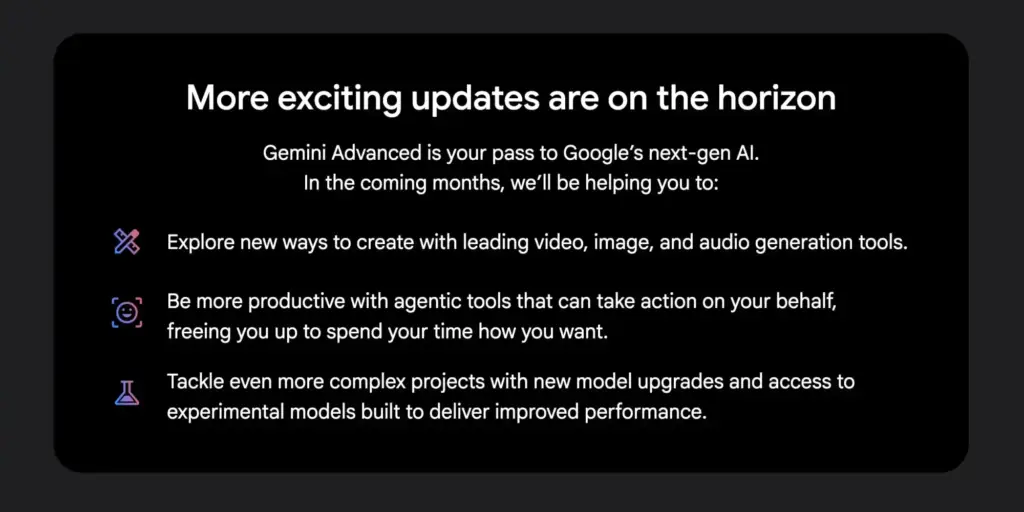
Google’s latest newsletter to Gemini Advanced subscribers hints at a series of powerful updates that will enhance user experience across different domains.

Upcoming Features and Enhancements

1. New AI Models: Improved Accuracy & Transparency

Google is rolling out two experimental AI models to enhance reasoning, accuracy, and transparency:

  • Gemini 2.0 Pro Experimental: This model is optimized for handling complex tasks with improved factual accuracy, making it ideal for coding, mathematical problem-solving, and research-based queries.
  • Gemini 2.0 Flash Thinking: Unlike traditional models, Flash Thinking will display its reasoning process in real time, allowing users to trace AI-generated responses step by step.

These advancements are designed to improve reliability and make AI more transparent and accountable.

2. Expanded AI-Generated Content: Video, Image, and Audio

Google has confirmed that Gemini Advanced users will soon have access to enhanced video, image, and audio generation tools.

  • Imagen 3: Google’s advanced image-generation model, capable of creating hyper-realistic visuals, will see further refinements.
  • Veo 2: A high-quality AI video generation tool, currently in testing under Google Labs, may become widely available for Gemini Advanced subscribers.
  • MusicLM and Lyria: These AI tools specialize in music and audio generation, potentially allowing users to create original music compositions and soundtracks.

With these expanded creative tools, users will have more flexibility in multimedia content creation, making Gemini a serious competitor to platforms like OpenAI’s DALL·E and Midjourney.

3. AI Agent Tools: Automating Tasks Like Never Before

One of the most exciting updates involves agentic AI tools that will take action on behalf of users to automate workflows.

  • Project Mariner: Expected to integrate with Google Workspace, this AI-powered assistant will help users organize email attachments, generate Google Sheets, and analyze data with AI-powered insights.
  • Automated AI Assistants: Gemini Advanced will be able to autonomously complete routine tasks, freeing up users’ time and increasing productivity.

These AI agents could revolutionize office work, helping professionals manage tasks seamlessly across Google’s ecosystem.

4. Advanced AI Models for Complex Projects

Google has also hinted at continuous improvements to Gemini’s core models, providing:

  • Faster processing speeds
  • Greater contextual understanding
  • More efficient multitasking capabilities

As part of this evolution, Gemini 2.0 Pro will eventually become the default model for Advanced subscribers, bringing more power and accuracy to everyday AI interactions.

What This Means for Gemini Users

With these updates, Google is positioning Gemini as a top-tier AI platform, competing directly with OpenAI’s ChatGPT-4, Anthropic’s Claude, and Meta’s AI models.

For content creators, business professionals, and developers, Gemini Advanced will offer:
✅ More powerful AI reasoning and fact-checking
✅ Expanded creative tools for video, image, and music generation
✅ Smarter automation for office productivity
✅ Faster and more transparent AI responses

These features make Gemini Advanced a must-have for users who want cutting-edge AI capabilities.

Conclusion: Is Gemini Advanced Worth It?

With the latest updates, Google is pushing AI boundaries by expanding Gemini’s capabilities in creativity, productivity, and automation. The upcoming features could make Gemini Advanced one of the most comprehensive AI subscriptions available.

For those already subscribed, this is an exciting glimpse into the future of Google’s AI ecosystem. For those considering it, these powerful upgrades might make Gemini Advanced worth the investment.

💡 Would you subscribe to Gemini Advanced for these new features? Let us know in the comments! 🚀

Also Read: Google Search Testing Background Section


FAQs

1. What is Gemini Advanced?

Gemini Advanced is Google’s premium AI subscription that offers access to its most powerful AI models, including Gemini 2.0 Pro and Flash Thinking. It costs $19.99/month under the Google AI Premium Plan.

2. What’s new in Gemini Advanced?

Some major updates include:
Longer, more detailed AI responses
New AI-generated video, image, and music tools
AI-powered workflow automation
Enhanced transparency with Flash Thinking AI

3. How does Gemini Advanced compare to ChatGPT-4?

Gemini Advanced focuses on real-time AI reasoning, agentic automation, and expanded multimedia generation, making it a strong competitor to OpenAI’s ChatGPT-4.

4. When will these new features roll out?

Google has teased that the updates will roll out over the next few months, though some features, like Veo 2 and MusicLM, are still in limited beta testing.

5. Where can I subscribe to Gemini Advanced?

You can subscribe via the Google One Premium AI Plan for $19.99/month through the Google Gemini app.