
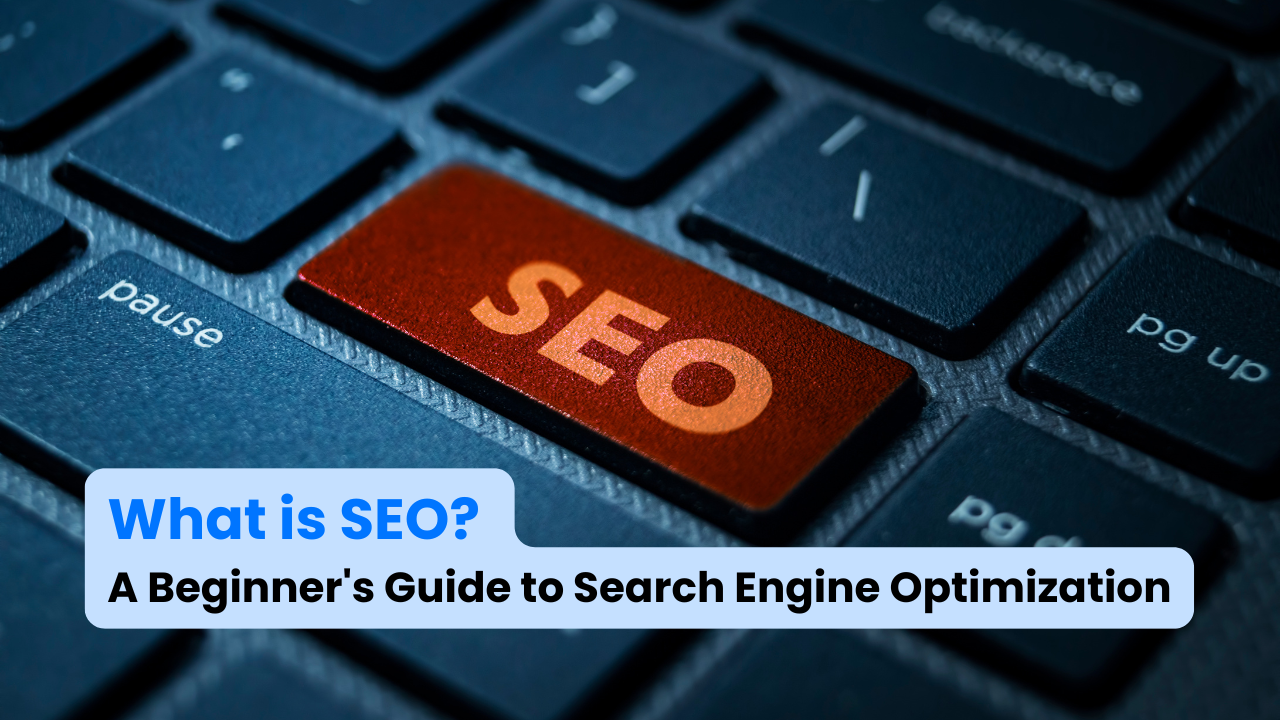
Have you ever searched online for ways to get more visitors to your website? If yes, you’ve already started learning about SEO! Search Engine Optimization (SEO) is what helps your website show up on platforms like Google, YouTube, or even TikTok when people search for something related to your business.
Here’s the best part: SEO isn’t as hard as it sounds. It’s all about understanding what your audience needs and making sure your website delivers it in the best way possible. By mastering the basics—like using the right keywords, creating helpful content, and improving your website’s performance—you can drive more traffic and grow your business.
In this guide, we’ll explain SEO in simple steps and show you exactly how to rank higher in search results. It’s easy to follow, and you can start implementing it right away.
Ready to grow your online presence? Let’s get started!
What is SEO?
SEO, or Search Engine Optimization, is how you get your website to show up when people are searching for things online. Think of it as the art and science of getting noticed on Google, Bing, or even platforms like YouTube.
Here’s the magic: When someone types in a question or looks for a product you offer, SEO ensures your website is one of the first things they see. And when you’re at the top, that’s when the magic happens—more traffic, more clicks, and more business.
But SEO isn’t just about sprinkling keywords everywhere and hoping for the best. It’s about creating a website that’s fast, user-friendly, and packed with value. It’s about understanding what your audience wants and delivering it better than anyone else.
The best part? You don’t need a PhD in coding to get started. With the right strategies—like optimizing for keywords, creating valuable content, and improving your site’s user experience—you can climb the rankings and leave your competition in the dust.
At its core, SEO is about one thing: connecting your business with the people who are already searching for what you offer. Simple, right?
Why SEO Is Worth Your Time
Let’s start with the big picture. Why does SEO matter so much?
Every day, over 85 billion searches happen on Google. That’s not just people typing random things—it’s your potential customers looking for answers. And if your website shows up on the first page, you’re already ahead of the competition.
Here’s what SEO can do for you:
- Drive organic traffic: People trust organic search results more than ads.
- Build authority: Ranking high tells users (and Google) that you’re the real deal.
- Increase ROI: SEO has one of the highest returns in digital marketing because it keeps working for you long after you’ve optimized your site.
Step 1: Get Your Foundations Right
Before diving into tactics, let’s make sure your website is set up for success:
- Domain Name Matters
Keep it simple and relevant. For example, if you run a bakery, a domain like sweettreats.com works better than johnsbiz123.net. - Hosting Platform
A fast, secure hosting service is non-negotiable. Google cares about speed, and so do your visitors. - Site Structure
Think of your website like a library. Organize your pages so users and search engines can find everything easily.
Step 2: Master Keyword Research
Keywords are the bread and butter of SEO. They tell search engines what your content is about and connect you with your audience.
Here’s how to find the right keywords:
- Start with seed keywords: Use terms related to your business, like “affordable digital marketing.”
- Use keyword tools: Platforms like Ubersuggest, SEMrush, or Google Keyword Planner are goldmines for finding high-value keywords.
- Focus on intent: Are users looking for information, making comparisons, or ready to buy? Match your keywords to their goals.
Step 3: Create Content That Ranks (and Converts)
Google’s #1 priority is its users. If your content answers their questions better than anyone else’s, you’ll rank higher—simple as that.
Here’s how to create winning content:
- Make it valuable: Write for humans first, then optimize for search engines.
- Use your keywords naturally: Sprinkle them in titles, headers, and throughout your content.
- Diversify your format: Mix up blogs, videos, infographics, and case studies to keep things interesting.
Pro Tip: Always aim for content that’s evergreen—something useful today, tomorrow, and a year from now.
Step 4: Optimize for User Experience (UX)
Great content won’t matter if your website is slow or hard to navigate. UX is a key ranking factor, so don’t overlook it.
Here’s how to improve UX:
- Speed up your site: Compress images, clean up unnecessary plugins, and use a reliable hosting provider.
- Go mobile-friendly: Over 59% of searches are on mobile, so your site must look good on smaller screens.
- Simplify navigation: Make it easy for users to find what they’re looking for without getting lost.
Step 5: Build Backlinks
Think of backlinks as endorsements. When credible websites link to yours, it signals to Google that your content is trustworthy.
How to earn backlinks:
- Create share-worthy content: Guides, research, and infographics often attract natural links.
- Guest blogging: Write for reputable sites in your niche.
- Reach out: Don’t hesitate to ask for links from partners or industry leaders.
Step 6: Track Your Progress
SEO isn’t a one-and-done deal. You need to measure what’s working and tweak what’s not.
Use these tools:
- Google Analytics: See where your traffic comes from and how visitors interact with your site.
- Google Search Console: Monitor your rankings and fix any crawl issues.
- Ubersuggest: Keep an eye on keyword rankings and competitor performance.
Why SEO Is Always Evolving
Here’s the deal: SEO isn’t a “set it and forget it” kind of thing. It’s like riding a bike uphill—Google’s algorithms keep changing, user behaviors shift, and new trends pop up faster than you can say “rank higher.”
Take this for example:
- Social SEO is booming. Platforms like YouTube, TikTok, and Instagram aren’t just for scrolling—they’re search engines in their own right. Gen Z, in particular, uses these platforms to find answers and discover products. If you’re not optimizing here, you’re missing out.
- Voice search is taking over. More people are saying, “Hey Alexa, find me the best restaurants nearby,” instead of typing it out. That means conversational, question-based keywords are becoming critical.
The bottom line? SEO is a moving target, and staying still means falling behind. The key to staying ahead is to keep learning, experimenting, and adapting to the latest trends. Trust me—those who evolve win the game.
Why SEO Is Always Evolving
Here’s the deal: SEO isn’t a “set it and forget it” kind of thing. It’s like riding a bike uphill—Google’s algorithms keep changing, user behaviors shift, and new trends pop up faster than you can say “rank higher.”
Take this for example:
- Social SEO is booming. Platforms like YouTube, TikTok, and Instagram aren’t just for scrolling—they’re search engines in their own right. Gen Z, in particular, uses these platforms to find answers and discover products. If you’re not optimizing here, you’re missing out.
- Voice search is taking over. More people are saying, “Hey Alexa, find me the best restaurants nearby,” instead of typing it out. That means conversational, question-based keywords are becoming critical.
The bottom line? SEO is a moving target, and staying still means falling behind. The key to staying ahead is to keep learning, experimenting, and adapting to the latest trends. Trust me—those who evolve win the game.
Conclusion
SEO isn’t a sprint; it’s a marathon. But here’s the thing—every small effort you make today builds momentum for tomorrow. Whether you’re optimizing your first blog post, researching your next keyword, or improving your site’s speed, each step gets you closer to higher rankings and better results.
Think of SEO as an investment in your business’s future. The more you nurture it, the more it pays off with organic traffic, brand authority, and loyal customers.
Don’t wait for perfection to start. Implement what you’ve learned here, test your strategies, and refine along the way. Remember, even the SEO pros started as beginners—they just kept going.
Your audience is out there, searching for what you offer. Make sure they find you. Take that first step today, and watch your website transform into a powerhouse of visibility and growth.
Also Read: Interactive Content Marketing: The Future of Engagement in 2025